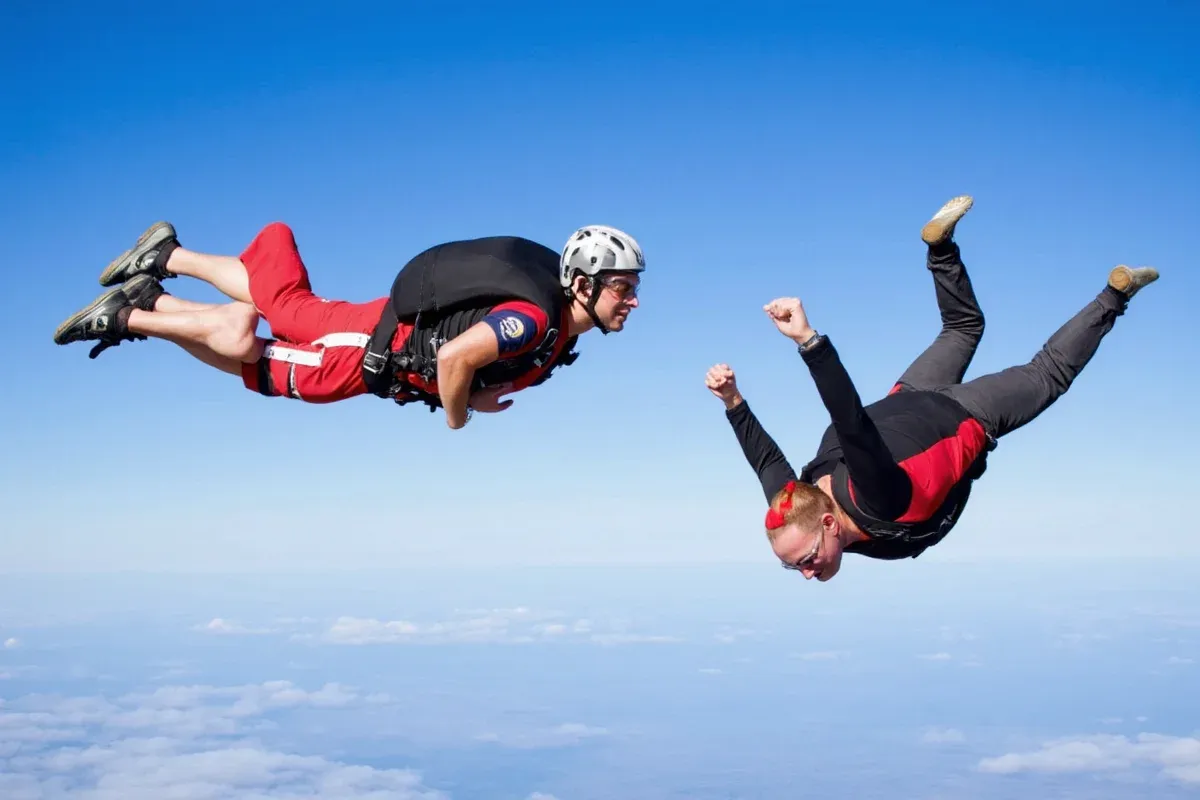
Skydiving Weight Limit: What You Need to Know
Yes, there is a weight limit for skydiving—most U.S. skydiving centers enforce a maximum weight of 220 to 250 pounds (100 to 113 kg) for tandem jumps, though some facilities accommodate up to 280 pounds (127 kg) depending on body composition and equipment availability.
Understanding Skydiving Weight Limits
Skydiving centers impose weight restrictions primarily for safety, equipment performance, and successful parachute deployment. Exceeding these limits can compromise harness fit, increase descent speed, and reduce control during landing. While exact thresholds vary by location, the standard tandem skydiving weight cap typically ranges between 220 and 250 lbs (100–113 kg). Some drop zones may accept heavier individuals on a case-by-case basis, especially if body fat percentage is low and muscle mass is high.
Why Do Weight Limits Exist?
- Safety during deployment: Parachute systems are tested and certified within specific weight ranges.
- Harness fit: Improperly fitting harnesses can cause injury or failure during opening shock.
- Landing control: Heavier jumpers descend faster, requiring more precise flare control.
- Instructor burden: Tandem instructors must safely manage both their weight and the passenger's.
Tandem vs. Solo Skydiving Weight Restrictions
Tandem jumps, where a student is attached to an instructor, have stricter limits due to combined system weight. Solo skydivers who own gear may have more flexibility, but must still adhere to manufacturer specifications for their parachute containers and harnesses.
Typical Weight Policies by Jump Type
| Jump Type | Average Max Weight (lbs) | Average Max Weight (kg) | Notes |
|---|---|---|---|
| Tandem Skydiving | 220–250 | 100–113 | Varies by center; higher limits may apply with surcharges |
| Accelerated Freefall (AFF) | 240 | 109 | Some schools allow up to 260 lbs with custom gear |
| Solo Jumper (Student Gear) | 220 | 100 | Based on rental equipment limits |
| Solo Jumper (Personal Gear) | Depends on Canopy Size | Depends on Canopy Size | Canopies rated for 180–300+ lbs based on wing loading |
The data shows that tandem skydiving imposes the most consistent weight caps, while solo jumpers with personal equipment have greater flexibility based on canopy choice and wing loading calculations. Drop zones using USPA guidelines typically cap tandem passengers at 220–250 lbs to ensure reliable parachute performance and instructor safety.
Factors That Influence Weight Acceptance
Not all weight is treated equally in skydiving. Centers often consider:
- Body Mass Index (BMI): Lower BMI may allow slight exceedance of weight limits.
- Fitness level: Active individuals may be accepted near the upper threshold.
- Harness availability: Larger harnesses are not always in stock.
- Weather conditions: High heat or humidity may tighten restrictions due to reduced air density.
Many centers charge a fee for jumpers over 200 lbs, even if under the max limit, to account for additional equipment stress and fuel usage.
How to Prepare If You're Near the Limit
If you're close to the maximum allowed weight, take these steps to improve your chances of being cleared to jump:
- Contact the drop zone in advance to confirm current policies.
- Provide accurate measurements (height, weight, waist, chest).
- Ask about surcharges or fitness assessments.
- Consider weight management programs if planning future jumps.
- Look for centers specializing in larger jumpers, such as those in Florida or California.
Frequently Asked Questions About Skydiving Weight Limits
What is the maximum weight for tandem skydiving?
Most tandem skydiving centers set a maximum weight between 220 and 250 pounds (100–113 kg). Some locations may accept up to 280 lbs (127 kg) depending on physical fitness and available equipment.
Can overweight individuals skydive?
Yes, as long as they meet the skydiving center's weight and harness-fit requirements. Many centers evaluate body composition and may accept individuals with higher muscle mass even if slightly over the limit.
Is there a minimum weight for skydiving?
There is no universal minimum, but most centers require jumpers to weigh at least 80 pounds (36 kg) to ensure proper harness fit and safety during deployment.
Why do skydiving weight limits vary by location?
Weight limits vary due to differences in equipment, instructor experience, canopy models used, and adherence to USPA guidelines. Some centers invest in extended-size harnesses and larger parachutes to accommodate heavier jumpers.
Are there skydiving options for people over 250 pounds?
Yes, a growing number of skydiving centers offer services for individuals over 250 lbs, sometimes up to 300 lbs, often with additional fees and pre-approval requirements. Research specialized drop zones in advance to find suitable options.
More Articles
 Tony Hawk Skateboarding Start Age & Career Timeline
 Football for Beginners: Step-by-Step Guide
 How Often Should You Do Pilates? Optimal Weekly Frequency
 Time Tips Essentials: Actionable, Evidence-Based Strategies That Save 12–18 Hours Weekly
 A Surfing Life by William Finnegan: Key Insights
 How Dangerous Is Skiing? Risk & Safety Facts
 When Did Snowboarding Become Popular? Key Milestones
 Swimming Breathing Techniques: Bilateral, 2-Stroke, and Hypoxic Training
 How Many Calories Does Hiking Burn? (By Weight & Terrain)
 Where Can I Buy a Yoga Mat? Top Stores & Tips