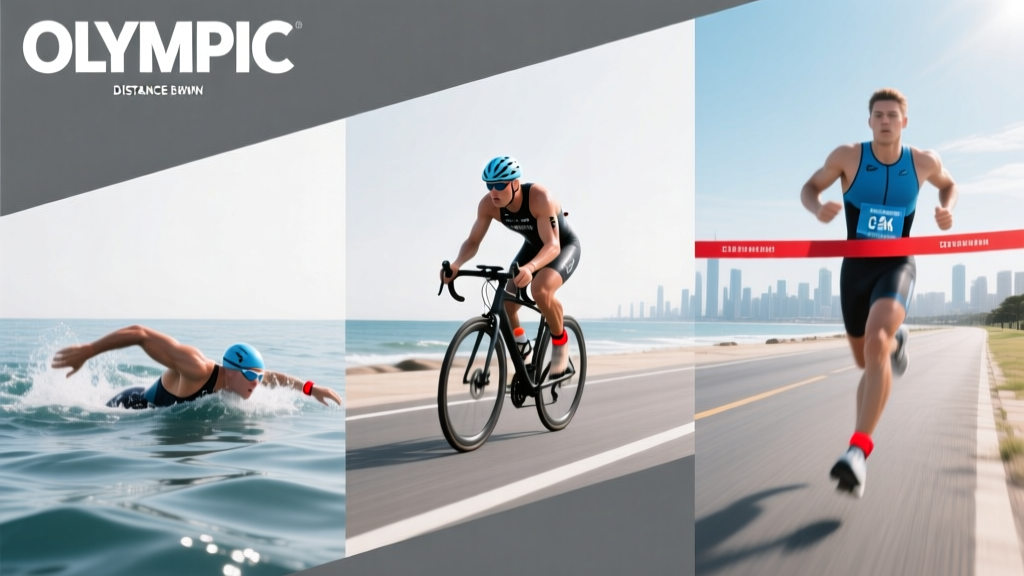
How Long Is an Olympic Triathlon? Full Distance Explained
An Olympic triathlon consists of a 1.5km swim, followed by a 40km bike ride, and finishes with a 10km run. This standardized distance, also known as the 'standard' or 'international' distance, is used in both the Olympic Games and World Triathlon Championship events.
What Is an Olympic Triathlon?
The Olympic triathlon is a multi-sport endurance event introduced to the Summer Olympics in 2000 at Sydney. It tests athletes across three disciplines in a continuous sequence: swimming, cycling, and running. The format is designed to challenge aerobic stamina, strength, and transition efficiency.
History and Evolution
The concept of combining swimming, cycling, and running dates back to 1901 with the Les Trois Sports event in France. However, the modern Olympic format was formalized by the International Triathlon Union (now World Triathlon) in the 1980s. After years of advocacy, it debuted at the 2000 Sydney Olympics, featuring individual races for men and women.
Olympic Triathlon Distances Breakdown
- Swim: 1.5 kilometers (0.93 miles)
- Bike: 40 kilometers (24.8 miles)
- Run: 10 kilometers (6.2 miles)
These distances are double that of a sprint triathlon and half that of a long-distance (70.3) triathlon. Unlike Ironman events, Olympic triathlons emphasize speed and pacing over extreme endurance.
Typical Completion Times
Elite athletes complete the full course in around 1 hour 45 minutes, while age-group participants typically finish between 2 hours and 2 hours 30 minutes. Factors such as course terrain, weather, and transitions significantly impact final times.
| Athlete Category | Swim (1.5km) | Bike (40km) | Run (10km) | Total Time |
|---|---|---|---|---|
| Elite Male | 17–19 min | 54–58 min | 29–31 min | 1h 40m – 1h 48m |
| Elite Female | 18–20 min | 56–60 min | 31–33 min | 1h 45m – 1h 52m |
| Age Group (Top 25%) | 25–30 min | 1h 10m – 1h 15m | 40–45 min | 2h 15m – 2h 30m |
| Average Age Group | 30–35 min | 1h 20m – 1h 30m | 45–50 min | 2h 30m – 2h 50m |
The data shows elite athletes maintain high speeds across all segments, with minimal drop-off during the run after intense cycling. Transition times (T1 and T2), often under 30 seconds each, are critical for competitive performance. The gap between elite and average age-group athletes highlights the importance of training specificity and race-day execution.
Key Rules and Race Format
Olympic triathlons follow strict regulations set by World Triathlon to ensure fairness and safety:
- Races are mass-start, single-lap events.
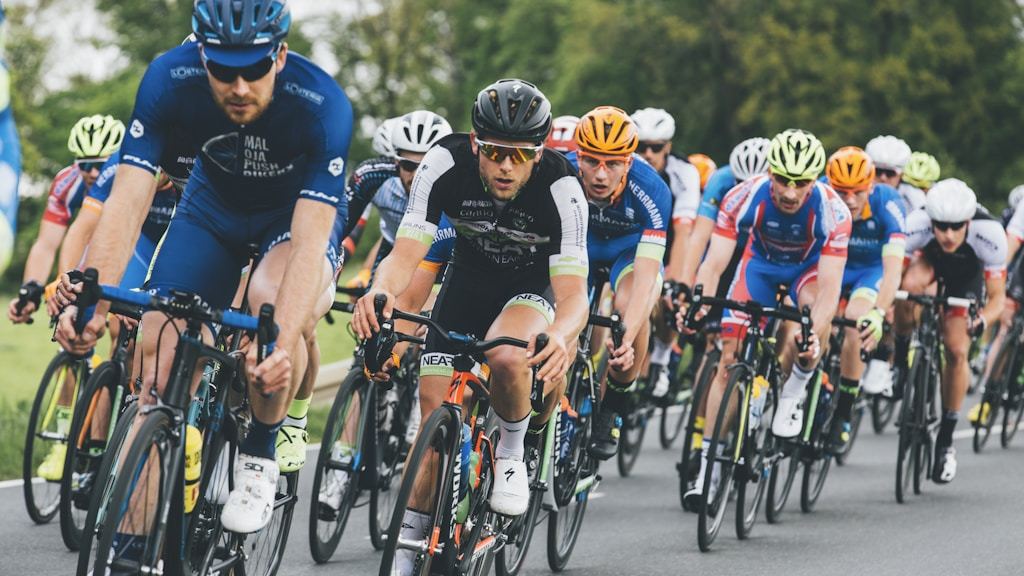
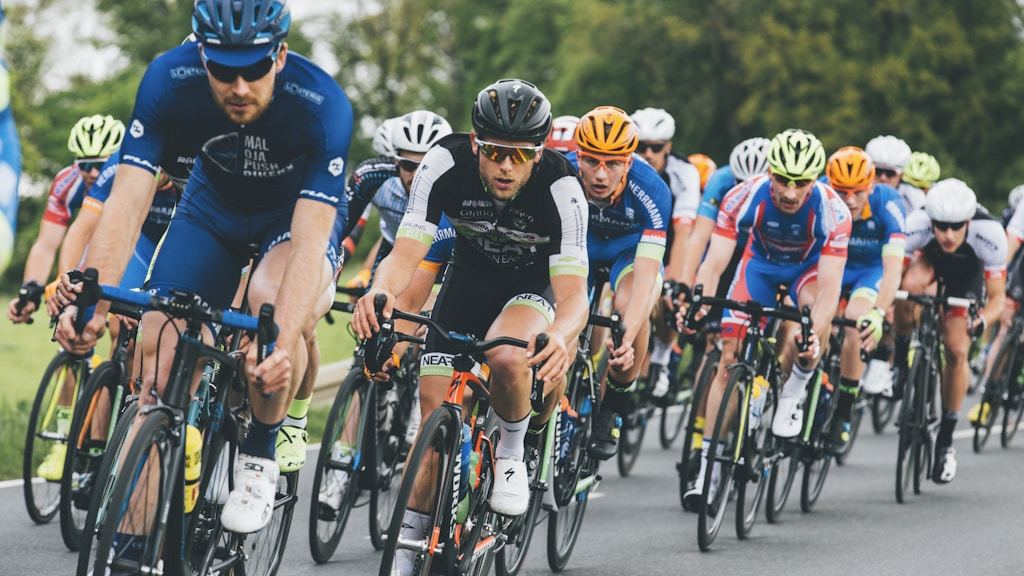
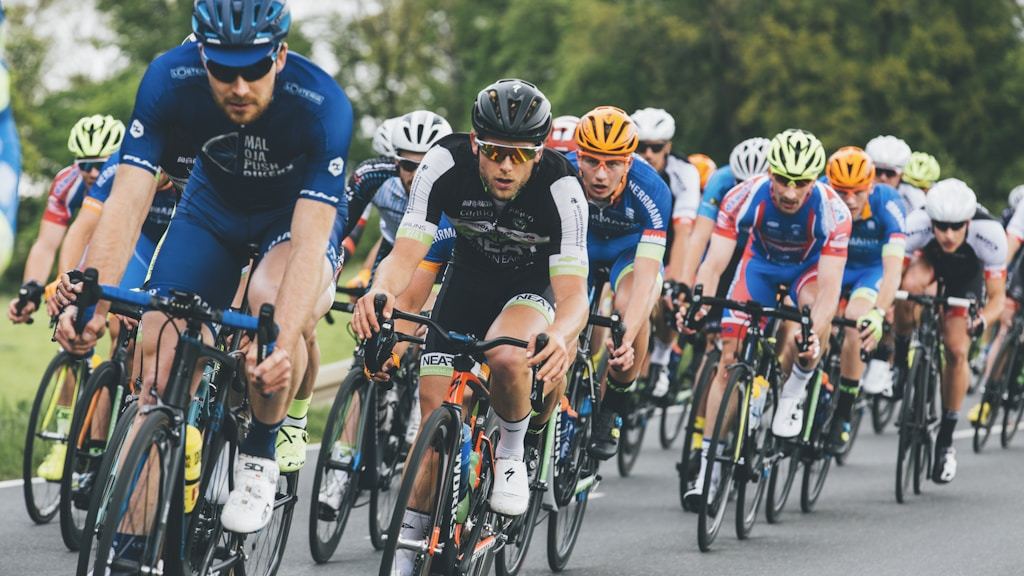
- Drafting is allowed on the bike course, differentiating it from non-drafting sprint or Ironman events.
- Transitions between stages occur in designated zones (T1: swim-to-bike, T2: bike-to-run).
- Athletes must wear helmets at all times on the bike; failure to do so results in disqualification.
- Pace biking or obstructing others incurs time penalties.
Course Variability
While distances remain consistent, courses vary by venue. For example, the Tokyo 2020 swim took place in Tokyo Bay, while Paris 2024 will feature a Seine River swim. Elevation profiles, road surfaces, and weather conditions influence race dynamics and strategy.
Training for an Olympic Triathlon
Preparing for this event typically requires 4–6 months of structured training for beginners, and year-round programming for elites. A balanced plan includes:
- Swimming: Technique drills, open water practice, interval training
- Cycling: Endurance rides, hill repeats, drafting simulations
- Running: Tempo runs, brick workouts (bike-to-run sessions), speed work
- Transitions: Practice sessions to reduce T1 and T2 times
- Nutrition: Fueling strategies for sustained energy and recovery
Common Questions About Olympic Triathlons
How long is an Olympic triathlon total distance?
An Olympic triathlon covers a total of 51.5 kilometers (32 miles), broken into 1.5km swim, 40km bike, and 10km run.
Is an Olympic triathlon the same as a sprint triathlon?
No. A sprint triathlon is shorter: typically a 750m swim and 20km bike. The Olympic distance is twice as long in each segment except the run, which is proportionally longer.
Do Olympic triathletes draft during the bike leg?
Yes, drafting is permitted in Olympic triathlons. Athletes can ride in packs to conserve energy, making tactical positioning crucial.
What is a good time for an Olympic triathlon?
For elite athletes, sub-2-hour times are standard. Recreational athletes aim for under 2h 30m. Breaking 2h 15m places you in the top tier of amateur competitors.
When did the Olympic triathlon become an official event?
The Olympic triathlon debuted at the 2000 Summer Olympics in Sydney, Australia. Both men’s and women’s individual events have been held ever since.
More Articles
 How Often Should You Do Yoga for Best Results?
 When Does Ski Season End in Colorado?
 How Many Camps Are on Mount Everest? Full Breakdown
 6-Week Soccer Goalkeeper Workout Plan
 Where to Go Snowboarding: Top Global Destinations
 Ever Baseball Essentials: The Non-Negotiable Gear, Rules, and Habits That Define the Game
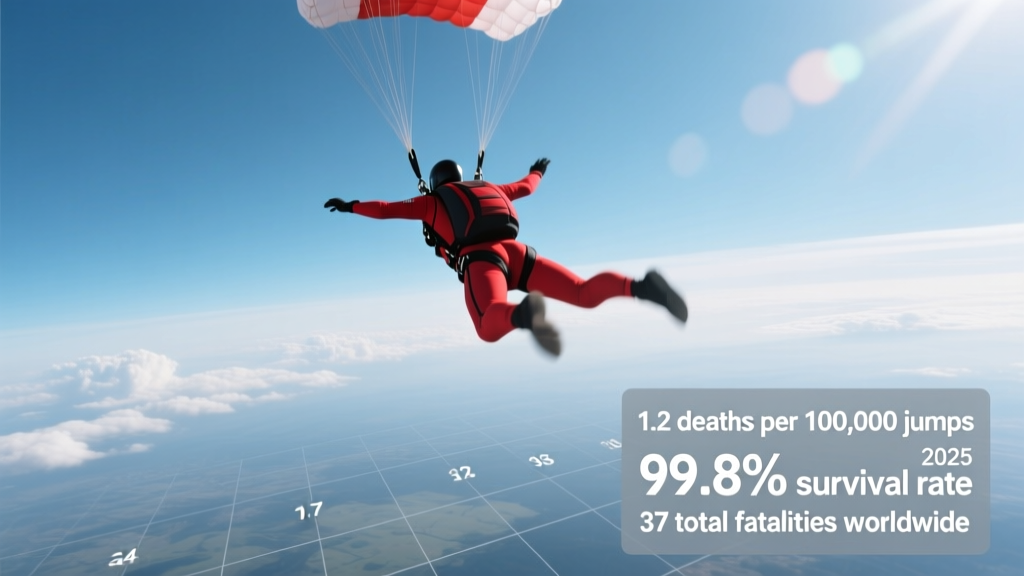 Skydiving Deaths Per Year: Real Risk & Statistics (2025)
 How Fast Does a Skydiver Fall? Average Speed Explained
 Can Lifting Weights Stunt Growth? Science Says No
 How Old Is Shaun White the Snowboarder? Age & Career Facts