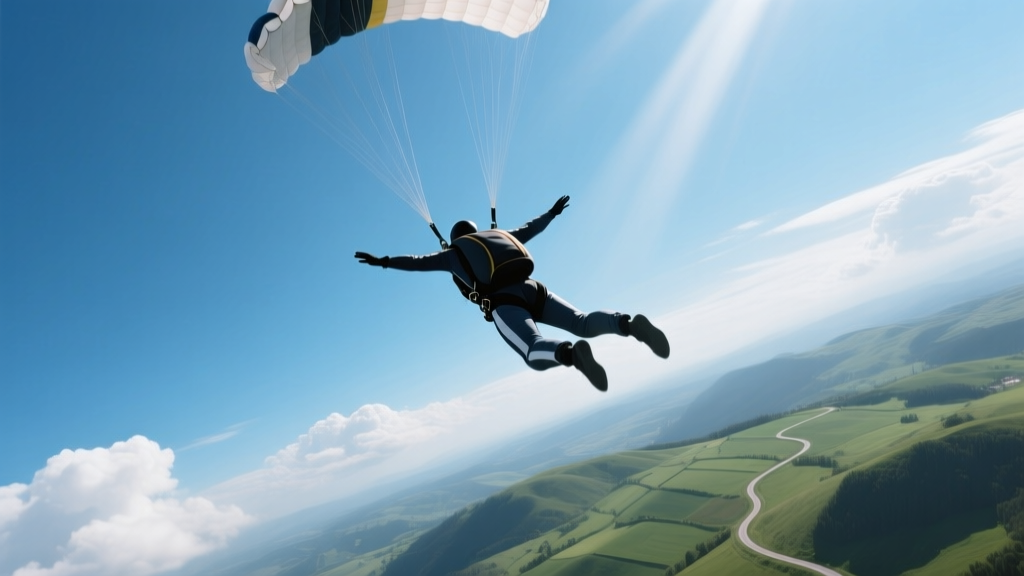
How Long Does It Take to Skydive? Full Breakdown
For a typical recreational skydive from 10,000 to 15,000 feet, the entire experience takes about 2 to 3 hours, with the freefall lasting approximately 30 to 60 seconds and the parachute ride taking 5 to 7 minutes.
What Happens During a Skydiving Experience?
Skydiving involves several stages, each contributing to the total time commitment. While the jump itself is brief, preparation and logistics make up most of the visit.
Key Phases of a Skydive
- Check-in and Registration: Arrival at the drop zone, signing waivers, and gear preparation (15–30 minutes).
- Ground Training: First-time jumpers complete a 15–30 minute safety and technique briefing.
- Plane Ascent: The climb to jump altitude takes 10–20 minutes depending on height.
- Freefall Duration: From 10,000 ft: ~30 seconds; from 15,000 ft: ~60 seconds.
- Parachute Descent: Lasts 5 to 7 minutes, allowing for scenic views and controlled landing.
- Pack-up and Debrief: Post-jump procedures and video review if purchased.
How Long Is Freefall Based on Altitude?
The higher the jump, the longer the freefall. Most skydiving centers offer jumps between 10,000 and 18,000 feet. Terminal velocity for a tandem skydiver is roughly 120 mph (193 km/h), meaning you fall about 1,000 feet every 5–6 seconds.
| Exit Altitude (feet) | Average Freefall Time (seconds) | Parachute Descent Time (minutes) | Total Jump Experience (minutes) |
|---|---|---|---|
| 10,000 | 30 | 5 | 20–25 |
| 13,500 | 45 | 6 | 25–30 |
| 15,000 | 60 | 6–7 | 30–35 |
| 18,000 | 75 | 7 | 35–40 |
The table shows that increasing exit altitude significantly extends freefall duration. Jumps from 18,000 feet nearly double the freefall time compared to 10,000 feet, offering a more immersive experience. However, higher jumps may require oxygen use and are subject to availability and weather.
Factors That Affect Total Skydiving Time
Several variables influence how long your skydiving appointment will take from start to finish.
Weather Conditions
Cloud cover, wind speed, and visibility can delay flights. Drop zones often operate on tight schedules, so inclement weather may push your slot by hours or require rescheduling.
Drop Zone Traffic
Busy weekends or events increase wait times. Even with a confirmed reservation, expect potential delays between groups.
Type of Jump
- Tandem Skydive: Most common for beginners; includes short training and immediate jump.
- Accelerated Freefall (AFF): For certification; involves multiple training sessions and progressively higher jumps.
- Static Line Jumps: Used in military and beginner training; shorter ascent and deployment.
Planning Your Skydiving Visit
To ensure a smooth experience, arrive early and plan for a half-day commitment. Wear comfortable clothing and closed-toe shoes. Most centers recommend booking online in advance, especially on weekends.
Bring a valid photo ID—most providers require jumpers to be at least 18 years old. If purchasing video or photo packages, confirm availability when booking.
Frequently Asked Questions About Skydiving Duration
How long does the freefall last during a skydive?
Freefall typically lasts between 30 seconds and 75 seconds, depending on exit altitude. A jump from 10,000 feet gives about 30 seconds, while 18,000 feet offers up to 75 seconds of freefall.
How high do you jump from when skydiving?
Recreational tandem skydives usually occur from 10,000 to 15,000 feet. Some centers offer high-altitude jumps up to 18,000 feet, which require supplemental oxygen due to thin air.
How long does the parachute ride last?
The parachute descent typically lasts between 5 and 7 minutes. During this time, you’ll glide slowly under the canopy, enjoying panoramic views before a soft landing.
How long should I plan for my skydiving appointment?
Plan for 2 to 3 hours from arrival to departure. In busy or weather-affected conditions, the total time may extend to half a day, especially on weekends.
Can I skydive if I’m scared of heights?
Many people who fear heights successfully complete skydives. The sensation during freefall is more like flying than falling, and the elevated perspective often reduces anxiety. Tandem instructors are trained to assist nervous jumpers.
More Articles
 Where Is the Surfing Olympics 2024? Location and Schedule
 Speed Tools Compared for Sports Sites
 Should I Do Calisthenics Every Day? Expert Advice
 How Long Is an Olympic Triathlon? Full Distance Explained
 How Long Is a Skateboard? Sizes by Type & Skill Level
 Where to Go Snowboarding: Top Global Destinations
 Where Are the Biggest Surfing Waves in the World?
 Who Won the Eddie 2024 Surfing? Lucas Chumbo Takes Title
 Sports Essentials: Building a Functional Kit
 Injury Prevention Strategies: How Athletes Stay Healthy All Season