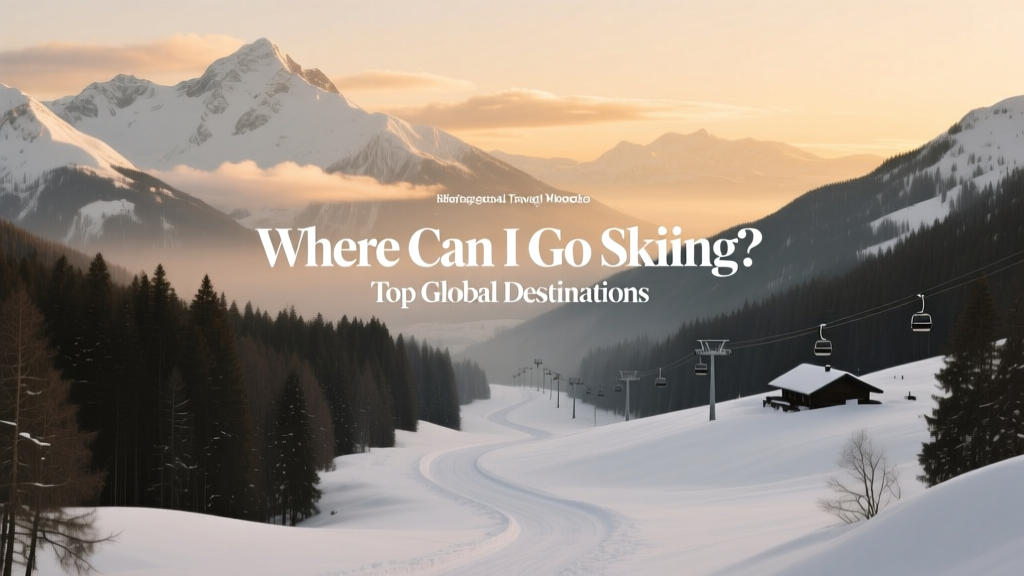
Where Can I Go Skiing? Top Global Destinations
If you're wondering where you can go skiing, the best destinations include the Rocky Mountains in the U.S., the Alps in Europe, resorts in Japan, and scenic slopes in Canada and New Zealand—offering world-class terrain for all skill levels.
Top Ski Destinations Around the World
Skiing enthusiasts have a wide range of global options depending on skill level, budget, and preferred snow conditions. From steep alpine runs to family-friendly resorts, these top destinations attract millions each winter season.
North America: Diverse Terrain and Reliable Snowfall
- United States: Iconic regions like Colorado (Aspen, Vail), Utah (Park City, Alta), and California (Tahoe area) offer high elevations and dry powder.
- Canada: Whistler Blackcomb in British Columbia is North America’s largest ski resort, known for vast terrain and coastal snowpack.
- Resort Infrastructure: Modern lifts, ski schools, and luxury amenities make North American resorts ideal for families and beginners.
Europe: Historic Resorts and Alpine Charm
- France: Chamonix, Courchevel, and Val d’Isère provide access to the extensive Les Trois Vallées, the world’s largest interconnected ski area.
- Switzerland: Zermatt (with views of the Matterhorn), St. Moritz, and Verbier combine luxury with challenging terrain.
- Austria: Known for après-ski culture, resorts like Ischgl and Sölden offer reliable snow and long seasons.
Asia: Powder-Filled Adventures in Japan and Beyond
- Japan: Hokkaido (Niseko, Rusutsu) receives some of the deepest snowfall globally due to Siberian storms, attracting advanced skiers and snowboarders.
- South Korea: Host of the 2018 Winter Olympics, PyeongChang offers modern facilities and affordable packages.
- Emerging Markets: China has invested heavily in ski infrastructure ahead of winter sports growth.
Oceania and South America: Southern Hemisphere Skiing
- New Zealand: Queenstown and Wanaka host world-class resorts like The Remarkables and Coronet Peak, open from June to October.
- Chile & Argentina: The Andes offer dramatic scenery and excellent powder; popular spots include Portillo (Chile) and Las Leñas (Argentina).
Choosing the Right Ski Destination by Skill Level
Not all ski resorts cater equally to beginners, intermediates, or experts. Matching your ability to the right mountain ensures safety and enjoyment.
| Resort | Beginner (%) | Intermediate (%) | Advanced/Expert (%) | Avg. Annual Snowfall (cm) | Elevation (m) |
|---|---|---|---|---|---|
| Vail, USA | 16% | 45% | 39% | 887 | 3,289 |
| Whistler Blackcomb, Canada | 20% | 55% | 25% | 1,190 | 2,446 |
| Niseko, Japan | 30% | 40% | 30% | 1,500 | 1,308 |
| Zermatt, Switzerland | 15% | 40% | 45% | 700 | 3,883 |
| The Remarkables, NZ | 25% | 50% | 25% | 500 | 2,292 |
The data shows that Whistler Blackcomb offers the most balanced terrain distribution, making it ideal for groups with mixed abilities. Niseko stands out for its exceptional snowfall, while Zermatt provides the highest elevation and expert-focused runs. Resorts like Vail and The Remarkables emphasize intermediate cruising, appealing to confident skiers seeking variety.
Best Time to Go Skiing by Region
Timing your trip correctly maximizes snow quality and minimizes crowds. Seasons vary significantly across hemispheres and climates.
- Northern Hemisphere: December to April, with peak conditions typically in January and February.
- Southern Hemisphere: June to October, aligning with winter in Chile, Argentina, Australia, and New Zealand.
- High-Altitude Resorts: Some European and North American locations (e.g., Zermatt, Arapahoe Basin) offer summer skiing on glaciers.
Planning Your Ski Trip: What to Consider
Successful ski trips require more than just picking a destination. Key factors include travel logistics, accommodation, lift ticket costs, and weather forecasts.
Budget Considerations
- Lift tickets can exceed $150/day at premium resorts—look for multi-day passes or regional ski cards.
- Rental gear averages $60–$100/day; booking in advance saves money.
- Affordable alternatives: Eastern U.S. (e.g., Whiteface, NY), Slovakia, or Bulgaria offer lower prices with good snowmaking.
Sustainability and Climate Impact
Climate change affects snow reliability. Resorts are investing in snowmaking and renewable energy to extend seasons and reduce environmental impact. Choose eco-certified resorts when possible.
Frequently Asked Questions About Where You Can Go Skiing
Where can I go skiing in the United States?
Popular U.S. ski states include Colorado (Vail, Aspen), Utah (Park City, Snowbird), California (Lake Tahoe resorts), Montana (Big Sky), and Wyoming (Jackson Hole). Each offers unique terrain and snow conditions suited to different skill levels.
What are the best ski resorts for beginners?
Whistler Blackcomb (Canada), Niseko (Japan), and Les Deux Alpes (France) offer dedicated beginner zones, gentle slopes, and professional ski schools. Look for resorts with magic carpets and low-pressure learning environments.
Can you go skiing in Europe year-round?
Yes, glacier skiing allows for year-round skiing in Europe. Zermatt (Switzerland) and Tignes (France) operate on glaciers, offering limited summer skiing under optimal snow and weather conditions.
Which country has the most ski resorts?
France has the most ski resorts, with over 180 major stations. Combined with neighboring countries like Italy, Switzerland, and Austria, the Alps form the densest concentration of ski areas globally.
Where can I go skiing near me?
To find nearby skiing, use tools like Google Maps (search "ski resorts near me") or websites such as OnTheSnow.com. Local hills may offer night skiing and beginner programs even outside major mountain regions.
Final Tips for Choosing Your Next Ski Destination
Whether you seek adrenaline-pumping chutes or relaxed groomers, knowing where you can go skiing helps narrow choices. Prioritize snow reliability, terrain match, accessibility, and overall experience. With planning, unforgettable turns await—from the Rockies to the Himalayas.
More Articles
 When Is Ski Season? Dates by Region & Resort
 How Long Is a Pilates Class? Typical Durations Explained
 Who Owns Deer Valley Ski Resort? (2025 Update)
 How Much Is a Triathlon? Full Cost Breakdown 2025
 How High Can You Skydive From: Records & Limits
 Games and Basketball Compared: Strategy, Psychology, and Performance Under Pressure
 Tony Hawk Skateboarding Start Age & Career Timeline
 Golf Swing Fundamentals: Grip, Stance, and Alignment for Beginners
 Why Walter Camp Shaped American Football
 Yoga Poses for Athletic Recovery: Top 8