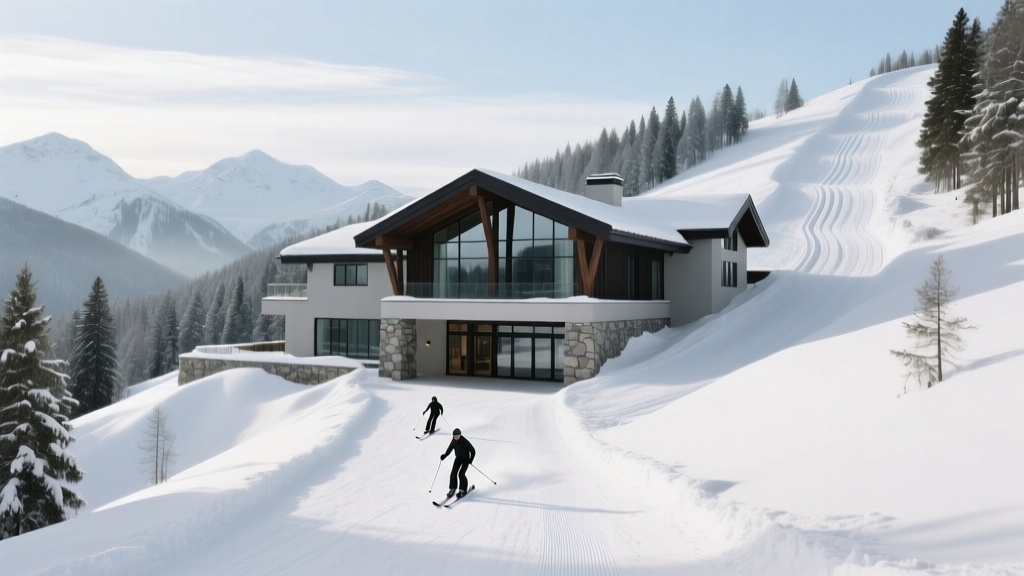
What Does Ski In, Ski Out Mean? Explained
"Ski in, ski out" means you can access the ski slopes directly from your accommodation and return the same way, without needing transportation. This convenience minimizes time and effort, placing you steps away from the lifts and trails.
What Does Ski In, Ski Out Mean?
The term "ski in, ski out" refers to lodging located directly on or adjacent to a ski resort's slopes, allowing guests to step out of their accommodations, put on skis, and immediately begin skiing downhill (ski out). After a day on the mountain, they can ski right back to their front door (ski in). This seamless access is highly desirable for skiers and snowboarders who value time efficiency, comfort, and an immersive alpine experience.
Key Features of Ski In, Ski Out Properties
- Direct trail access: No shuttles or walking required to reach lifts
- Proximity to base areas: Often within 100 meters of gondolas or chairlifts
- On-mountain amenities: Access to ski schools, rental shops, and restaurants
- Convenience for families: Ideal for those with children or bulky gear
- Premium pricing: Typically more expensive due to location advantages
Benefits of Choosing Ski In, Ski Out Accommodations
Staying at a ski-in/ski-out property enhances your winter vacation in multiple ways:
Time Efficiency
You save up to 30 minutes each morning and afternoon by eliminating travel to and from the slopes. This adds significant extra ski time over a week-long trip.
Comfort and Convenience
Returning to your room midday for lunch, warming up, or changing gear is effortless. Families appreciate being able to nap, feed infants, or store equipment securely without trekking across resort zones.
Enhanced Guest Experience
Properties offering ski-in/ski-out access often feature upscale amenities such as heated boot lockers, concierge ski services, and panoramic mountain views—elevating overall guest satisfaction.
Ski In vs. Ski Out: Understanding the Difference
While often used together, "ski in" and "ski out" describe two distinct access points:
- Ski out: Ability to start skiing directly from your lodge or condo onto a designated beginner or intermediate trail leading to lifts.
- Ski in: Ability to return via skis to your doorstep after skiing down from the mountain, usually requiring a gentle green or blue run nearby.
Some properties offer one but not both. True ski-in/ski-out locations provide both capabilities.
Popular Ski In, Ski Out Destinations Worldwide
Certain resorts are renowned for their high concentration of ski-in/ski-out lodging. These include:
- Whistler Blackcomb, Canada
- Vail and Beaver Creek, USA
- Courchevel and Val d'Isère, France
- Zermatt, Switzerland
- Niseko, Japan
These destinations invest heavily in infrastructure that integrates accommodations with trail networks.
Real-World Data: Comparison of Ski In, Ski Out Resorts (2024)
| Resort | Country | % Ski-In/Ski-Out Lodging | Avg. Nightly Rate (USD) | Trail Access Level |
|---|---|---|---|---|
| Whistler Village | Canada | 65% | 850 | Intermediate |
| Vail Village | USA | 58% | 920 | Beginner/Intermediate |
| Courchevel 1850 | France | 72% | 1,100 | All Levels |
| Zermatt Dorf | Switzerland | 50% | 980 | Intermediate/Advanced |
| Niseko Grand Hirafu | Japan | 45% | 700 | All Levels |
The data shows Courchevel 1850 leads in percentage of ski-in/ski-out lodging, correlating with higher average prices. Whistler and Niseko offer relatively better value with strong access despite lower nightly rates. Location and trail difficulty influence both availability and pricing.
How to Verify True Ski In, Ski Out Access
Not all advertised ski-in/ski-out properties deliver equal access. Use these tips to verify claims:
- Check trail maps: Confirm a marked ski route connects the building to a lift or base area.
- Look for elevation changes: If the property isn't near a top or mid-station, true ski-out may be impossible.
- Read recent guest reviews: Look for phrases like "steps from the lift" or "skied right back to the door."
- Contact the resort: Ask if the unit is on a designated ski-in trail.
- Beware of marketing terms: Phrases like "ski-access" or "on-mountain" do not guarantee direct slope access.
Frequently Asked Questions About Ski In, Ski Out
What does ski in, ski out mean exactly?
Ski in, ski out means you can literally ski from your accommodation onto the slopes and return by ski directly to your door. It eliminates the need for walking, buses, or driving to access lifts.
Are ski in, ski out properties worth the extra cost?
For frequent skiers, families, or those prioritizing convenience, yes. The time saved, ease of access, and enhanced experience often justify the premium price, especially during peak seasons.
Can beginners use ski in, ski out resorts?
Yes, many ski-in/ski-out resorts cater to beginners with gentle green runs leading to and from lodges. Vail Village and Whistler are particularly beginner-friendly with dedicated learning slopes nearby.
Do ski in, ski out properties include ski rentals?
Not always, but many partner with on-site rental shops or offer concierge services. Some luxury condos include ski valet and rental delivery directly to your room.
Is ski in, ski out possible in all ski resorts?
No. Only resorts designed with integrated village layouts offer true ski-in/ski-out access. Older or car-dependent resorts may lack the trail connectivity needed for seamless access.
More Articles
 Top Exercises for Shoulder & Neck Strength
 How Many Calories Does Hiking Burn? (By Weight & Terrain)
 How to Improve Your Vertical Jump: Science-Based Training Program
 Where Can I Go Skydiving? Top Global Locations
 Next On A Budget: How to Watch Premium Streaming Without Paying Premium Prices
 When Did Surfing Become an Olympic Sport?
 How Much Is an Ironman Triathlon? Cost Breakdown 2025
 When Was Surfing Added to the Olympics? Key Facts
 Can Yoga Burn Calories? Yes, Here's How Much
 How Much Is a Triathlon? Full Cost Breakdown 2025