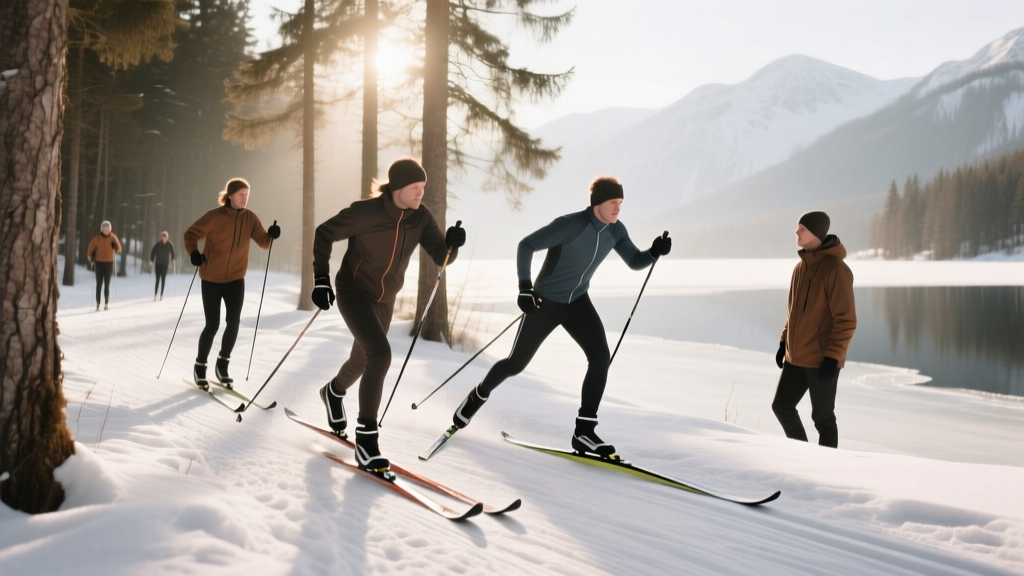
What Length Cross Country Skis Do I Need?
If you're wondering what length cross country skis do I need, the answer depends on your weight, skiing style (classic or skate), and skill level. As a general rule, classic skis should be 15–25 cm taller than your height, while skate skis should be 5–15 cm taller. However, ski length is primarily determined by your body weight to ensure proper flex and glide. Always consult manufacturer sizing charts for the most accurate recommendation based on your specific profile.
Understanding Cross Country Ski Length Basics
Selecting the correct ski length is essential for performance, control, and enjoyment in cross country skiing. Unlike alpine skiing, where height plays a dominant role, cross country ski length is more closely tied to body weight because it affects ski flex, grip, and glide efficiency.
Why Weight Matters More Than Height
Cross country skis are designed with a camber that compresses under your weight. If the ski is too long or too short for your weight, the camber won’t engage properly, reducing grip in classic skiing and stability in skate skiing.
- Too light for the ski: The camber doesn't compress enough, leading to poor grip on snow.
- Too heavy for the ski: Excessive compression reduces glide and can damage the ski over time.
- Proper flex: Ensures optimal balance between grip and glide, especially in classic technique.
Differences Between Classic and Skate Ski Lengths
The two main styles of cross country skiing—classic and skate—require different ski lengths due to variations in technique, kick zone, and gliding mechanics.
Classic Ski Length Guidelines
Classic skis rely on a kick zone underfoot that engages when compressed. The right length ensures the ski flexes correctly during the kick-and-glide motion.
- Recreational skiers: Skis typically 15–25 cm above your height.
- Advanced skiers: May prefer longer skis (up to 30 cm above height) for better glide on packed trails.
- Race skiers: Often choose length based on weight-specific manufacturer charts.
Skate Ski Length Guidelines
Skate skiing uses a V-motion similar to ice skating and requires stiffer, shorter skis for lateral stability and quick edge-to-edge transitions.
- General range: 5–15 cm above your height.
- Higher skill levels: Tend to use shorter, stiffer skis for responsiveness.
- Racing: Precise weight-based sizing is critical for maximum power transfer.
How Skill Level Affects Ski Length Choice
Your experience level influences how much forgiveness you need in a ski, which in turn affects ideal length.
Beginner Skiers
Newcomers benefit from slightly shorter skis, which are easier to control and maneuver, especially during learning curves in both classic and skate techniques.
Intermediate to Advanced Skiers
More experienced skiers often prioritize performance. They may opt for longer classic skis for better glide or shorter, stiffer skate skis for precision and speed.
Children and Youth Skiers
Kids' skis are generally sized 10–20 cm above their height, but always follow manufacturer youth charts as proportions differ from adults.
| Skier Weight (lbs) | Skier Weight (kg) | Classic Ski Length (cm) | Skate Ski Length (cm) | Recommended For |
|---|---|---|---|---|
| 100–130 | 45–59 | 185–195 | 175–185 | Light adult or youth skier |
| 131–160 | 60–73 | 195–205 | 185–195 | Average-weight adult |
| 161–190 | 74–86 | 205–215 | 195–205 | Heavier adult, classic touring |
| 191–220 | 87–100 | 215–225 | 205–215 | Taller/heavier skier, racing |
| 220+ | 100+ | 225+ | 215+ | Custom or specialty fit |
The data shows a consistent trend: as skier weight increases, recommended ski length increases to maintain proper camber compression. Classic skis are consistently 10–20 cm longer than skate skis for the same weight class due to their reliance on full-length glide and kick zone engagement. Manufacturers like Fischer and Salomon provide detailed sizing charts emphasizing weight over height for precision.
Additional Factors Influencing Ski Length
Beyond weight and style, several other considerations can fine-tune your ski length decision.
Snow Conditions
Colder, denser snow may call for slightly longer skis for better flotation, while warmer, softer snow might favor shorter skis for easier handling.
Load and Gear
If you're backcountry touring with a backpack, consider going up one size to compensate for added weight affecting ski flex.
Personal Preference
Some skiers prefer shorter skis for agility, others longer ones for smooth glide. Demo skis before buying if possible.
Frequently Asked Questions About Cross Country Ski Length
What length cross country skis do I need for my height?
Height alone isn't enough to determine ski length. While a rough estimate is 15–25 cm above your height for classic skis and 5–15 cm for skate skis, weight is the primary factor. Two people of the same height but different weights may need different ski lengths for optimal performance.
Can I use the same skis for classic and skate skiing?
No, classic and skate skis are designed differently. Skate skis are shorter, stiffer, and lack a grip zone, while classic skis are longer and have a defined kick zone. Using the wrong type will result in poor performance and difficulty controlling your movement.
Do heavier skiers need longer cross country skis?
Yes, heavier skiers need longer (and often stiffer) skis to ensure the camber compresses properly under load. This allows the kick zone in classic skis to engage with the snow and prevents excessive wear or bottoming out.
What happens if my cross country skis are too long?
If skis are too long, they may not compress enough under your weight, leading to poor grip in classic skiing. They can also be harder to maneuver, especially for beginners, and increase fatigue due to excess weight and swing resistance.
How do I measure cross country ski length?
Ski length is measured from tip to tail in centimeters. Stand the ski upright next to you; for classic skiing, the top should reach between your nose and forehead, depending on weight. For skate skiing, it should be around eye to forehead level. Always verify using manufacturer charts.
More Articles
 What Does Ski In, Ski Out Mean? Explained
 How to Clean and Maintain Yoga Mats
 Science for Cleaning Products: What Works
 Hydration Guide for Athletes: Before, During, After
 Where Was Ski Patrol Filmed? Full Location Details
 When Is the Fishing Opener in Minnesota 2026?
 Ironman Distance: How Many Miles? (2026)
 Sports Essentials: Building a Functional Kit
 Who Is Mardy Fish? Career, Stats & Legacy
 Best Football for NCAA: Official Specs, Top Brands, and What Players Actually Use on Game Day