When Does Ski Season End? By Region & Year
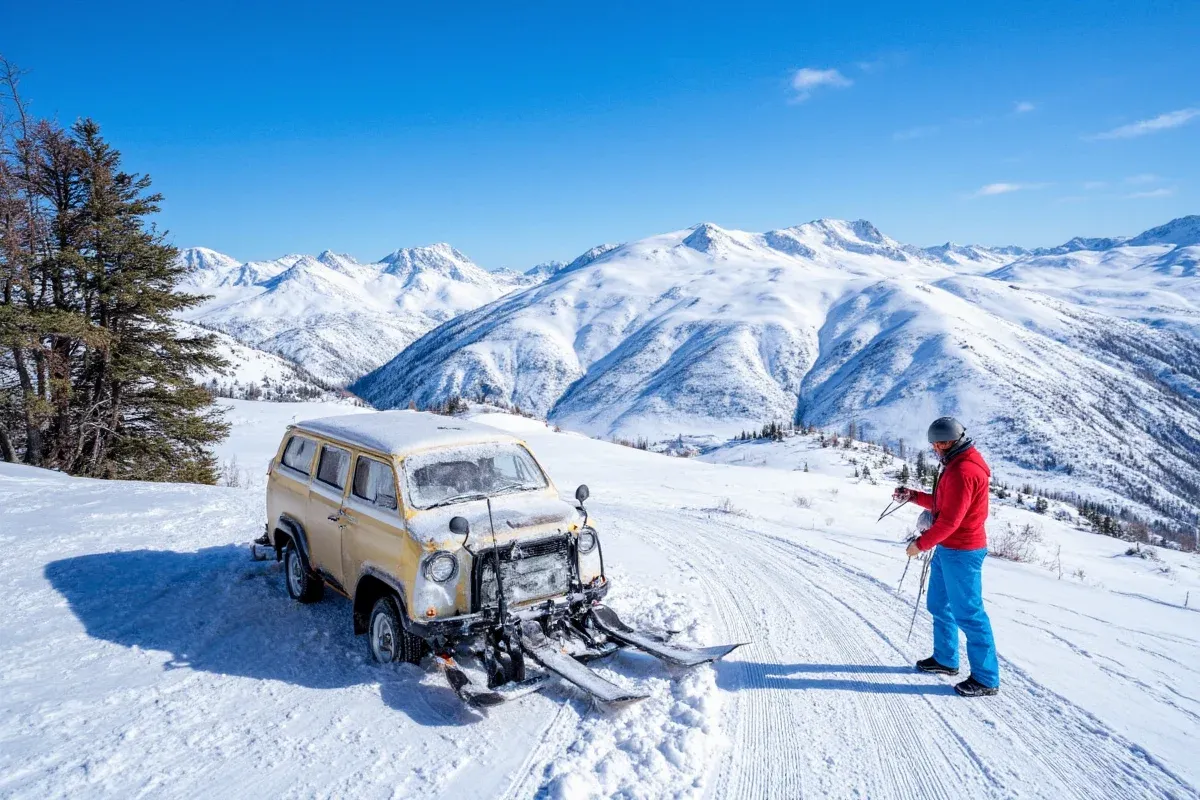
Ski season typically ends between March and May, depending on the region, altitude, and snow conditions. In North America, most resorts close by mid-April, while high-altitude or northern resorts like Whistler or Alyeska may operate into May. In the Alps, some ski areas such as Tignes in France remain open until late April or early May due to glacier skiing. In the Southern Hemisphere, ski season ends in early November. Exact closure dates vary yearly based on snowpack and weather patterns.
Factors That Determine When Ski Season Ends
The end of ski season isn't fixed—it depends on multiple environmental and operational factors. Understanding these helps skiers plan their final trips and avoid disappointment.
Key Variables Influencing Closure Dates
- Altitude: Higher-elevation resorts retain snow longer, often extending operations into May.
- Latitude: Northern regions (e.g., Alaska, Scandinavia) have longer winters and later closures.
- Snowfall and Snowpack: A strong winter snowpack delays melting and supports longer seasons.
- Weather Conditions: Unseasonably warm springs can shorten the season significantly.
- Resort Infrastructure: Resorts with snowmaking and grooming capabilities can extend operations.
- Glacier Skiing: Glaciers like Hintertux (Austria) or Tignes (France) allow year-round skiing in some cases.
Typical Ski Season End Dates by Region
Different mountain ranges and countries experience varying end dates due to climate and geography. Below is a detailed breakdown of when ski resorts typically close across major destinations.
| Resort | Country | Typical Closing Date | Elevation (m) | Notes |
|---|---|---|---|---|
| Whistler Blackcomb | Canada | May 4 (2025) | 2,182 | One of North America's longest seasons |
| Vail Resort | USA | April 20 (2025) | 3,527 | Extended via Blue Sky Basin terrain |
| Tignes | France | May 4 (2025) | 3,456 | Glacier skiing on the Grande Motte |
| Hintertux Glacier | Austria | Open Year-Round | 3,250 | Only fully year-round ski resort in the Alps |
| Alyeska Resort | USA (Alaska) | May 18 (2025) | 1,800 | Maritime snowpack allows late-season skiing |
| Cerro Catedral | Argentina | November 9 (2025) | 2,050 | Southern Hemisphere peak season ends in spring |
The data shows that elevation and geographic location are critical in determining ski season length. Resorts above 3,000 meters or in northern latitudes consistently offer the latest closing dates. Glacier-based resorts like Hintertux and Tignes leverage permanent ice fields to extend operations, while maritime climates like Alaska’s Alyeska benefit from heavy snowfall and cooler coastal temperatures.
How Climate Change Is Affecting Ski Season Length
Over the past two decades, many mid-latitude resorts have experienced shorter ski seasons due to rising global temperatures. Warmer winters reduce natural snow accumulation, forcing resorts to rely more on snowmaking. However, even artificial snow struggles during unseasonably warm springs, leading to earlier closures.
Impacts Include:
- Shortened shoulder seasons (early December and late April)
- Increased operational costs for snowmaking
- Earlier peak melt periods in March and April
- Greater reliance on high-altitude or glacier skiing
According to studies, the average ski season in the western U.S. has shortened by up to two weeks since the 1980s. Resorts are adapting by diversifying offerings—adding summer activities like mountain biking and zip lines—to maintain revenue beyond winter.
Tips for Maximizing Late-Season Skiing
Spring skiing offers unique advantages: softer snow, fewer crowds, and lower lift ticket prices. To make the most of the tail end of ski season, consider these tips:
- Ski Early in the Day: Snow is firmer in the morning before sun exposure softens it.
- Choose High-Altitude Resorts: Target mountains above 9,000 feet for better snow retention.
- Check Snow Reports Weekly: Monitor depth and forecast updates as conditions change rapidly.
- Look for North-Facing Slopes: These receive less direct sunlight and stay snowy longer.
- Take Advantage of Deals: Many resorts offer discounted passes and packages in April.
Frequently Asked Questions About Ski Season End Dates
What month does ski season usually end?
In North America and the European Alps, ski season typically ends between March and May. Most resorts close by mid-April, but high-altitude or glacier-based areas like Whistler or Tignes often operate into early May.
Do any ski resorts stay open year-round?
Yes, a few resorts offer year-round skiing. The most notable is Hintertux Glacier in Austria, which operates on a permanent glacier. Other locations like Timberline Lodge in Oregon and Athabasca Glacier in Canada also provide summer skiing under limited conditions.
Is April a good time to go skiing?
Yes, April can be excellent for skiing, especially at high-elevation resorts. Spring conditions often bring softer snow, sunny days, and fewer crowds. Just be sure to ski in the morning when snow is firmest due to freeze-thaw cycles.
How do I know when a ski resort will close?
Resorts announce closing dates in late winter or early spring, based on snow conditions. Check official resort websites, sign up for snow reports, or use platforms like OnTheSnow or SkiResort.info for real-time updates.
Does the Southern Hemisphere have a different ski season?
Yes, the Southern Hemisphere ski season runs from June to October, peaking in July and August. Resorts in New Zealand and Argentina typically close by early November, depending on snowfall and weather patterns.
More Articles
 Basketball Rebounding Techniques: 10 Drills and Tips to Dominate the Boards
 Where to Buy Ski Pants Near Me: Top Local Stores
 Boost Acceleration: 3 Med Ball Throws
 How Much Does a Pilates Instructor Get Paid? (2025 Data)
 How Much Is a Pilates Reformer? (2025 Prices)
 How Long Is a Skateboard? Sizes by Type & Skill Level
 How Long Does Hiking the Appalachian Trail Take?
 What Ski Resorts Are Open in October 2025?
 Beginner Guide to Heart Rate Training Zones for Cardio Fitness
 What to Bring to Pilates Class: Essential Checklist