How Far Is an Ironman Triathlon? Full Distance Explained
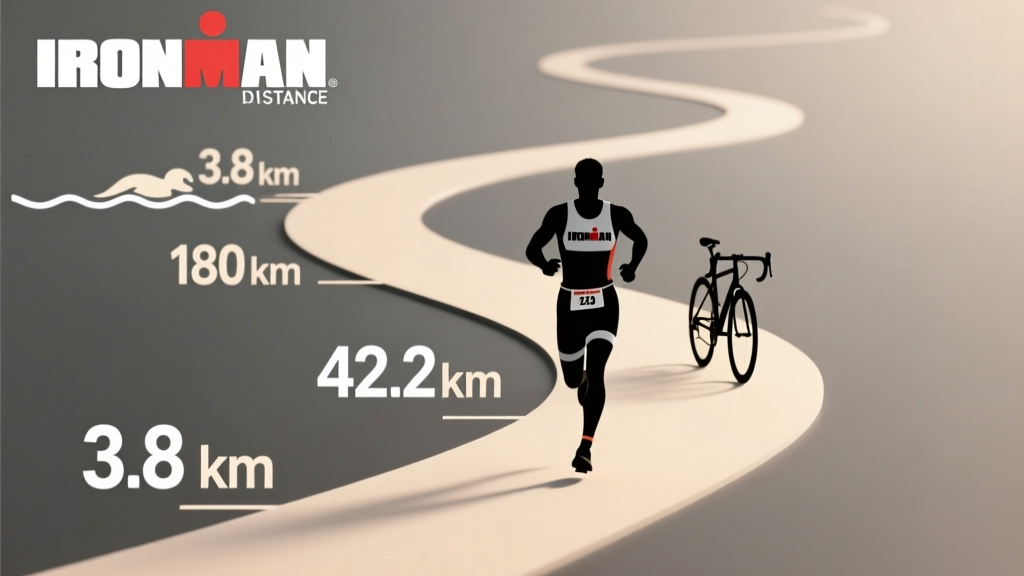
The Ironman Triathlon is a long-distance race consisting of a 2.4-mile (3.86 km) swim, followed by a 112-mile (180.25 km) bike ride, and finishing with a full marathon run of 26.2 miles (42.2 km), totaling 140.6 miles (226 km).
What Is the Full Distance of an Ironman Triathlon?
The total distance of an Ironman triathlon is 140.6 miles (226 kilometers). This grueling endurance event is divided into three consecutive disciplines without breaks: swimming, cycling, and running.
Breakdown of Ironman Distances
- Swim: 2.4 miles (3.86 km) in open water
- Bike: 112 miles (180.25 km) on a road or closed-course route
- Run: 26.2 miles (42.2 km) marathon
This standardized distance was established by the World Triathlon Corporation (WTC) and is consistent across all official Ironman-branded events worldwide, including the prestigious Ironman World Championship in Kailua-Kona, Hawaii.
History and Origin of the Ironman Distance
The first Ironman race was held in 1978 in Hawaii, combining three existing endurance events: the Waikiki Roughwater Swim (2.4 miles), the Around-Oahu Bike Race (112 miles), and the Honolulu Marathon (26.2 miles). The challenge was created to determine the ultimate endurance athlete.
Since then, the Ironman has become the gold standard in triathlon racing, inspiring thousands of athletes globally to train for this extreme test of physical and mental resilience.
Comparison With Other Triathlon Formats
While the full Ironman is the most recognized long-distance triathlon, several other formats exist to accommodate different fitness levels and training goals.
| Triathlon Format | Swim | Bike | Run | Total Distance |
|---|---|---|---|---|
| Sprint | 0.5 mi (0.75 km) | 12.4 mi (20 km) | 3.1 mi (5 km) | 16 mi (25.7 km) |
| Olympic | 0.93 mi (1.5 km) | 24.8 mi (40 km) | 6.2 mi (10 km) | 31 mi (51.5 km) |
| Half-Ironman (70.3) | 1.2 mi (1.9 km) | 56 mi (90 km) | 13.1 mi (21.1 km) | 70.3 mi (113 km) |
| Ironman (Full) | 2.4 mi (3.86 km) | 112 mi (180.25 km) | 26.2 mi (42.2 km) | 140.6 mi (226 km) |
| Double Ironman | 4.8 mi (7.72 km) | 224 mi (360.5 km) | 52.4 mi (84.4 km) | 281.2 mi (452 km) |
The data shows a clear progression in distance from sprint to double Ironman events. The full Ironman is exactly twice the length of a Half-Ironman (70.3), both in individual segments and total distance. This scalability allows athletes to gradually build toward completing the full 140.6-mile challenge.
Training Requirements for an Ironman
Completing an Ironman requires months of structured training, typically ranging from 8 to 12 months for amateur athletes. Weekly training volume often exceeds 15–20 hours, balancing all three disciplines with strength, recovery, and nutrition planning.
Key Training Components
- Base Building: Long, steady efforts to develop aerobic endurance
- Brick Workouts: Back-to-back sessions (e.g., bike-to-run) to simulate race conditions
- Tapering: Reduced volume in the final 2–3 weeks before race day to allow recovery
- Nutrition Strategy: Practicing fuel intake during long workouts to avoid gastrointestinal issues
Typical Finish Times and Cut-Offs
Most Ironman races have a strict 17-hour time limit. Athletes must complete the entire course within this window, starting at 7:00 AM and finishing by midnight.
- Swim Cut-Off: Usually 2 hours and 20 minutes
- Bike Segment: Must be completed within 10 hours and 30 minutes from start time
- Run Segment: Run must finish by midnight
Professional athletes typically finish in 8–9 hours, while age-group participants average between 12 and 14 hours.
Frequently Asked Questions About the Ironman Triathlon
How long is the swim in an Ironman?
The swim portion of an Ironman triathlon is 2.4 miles (3.86 kilometers), usually completed in open water such as a lake, ocean, or river. It’s the longest competitive swim in standard triathlon racing.
How many miles is the bike in an Ironman?
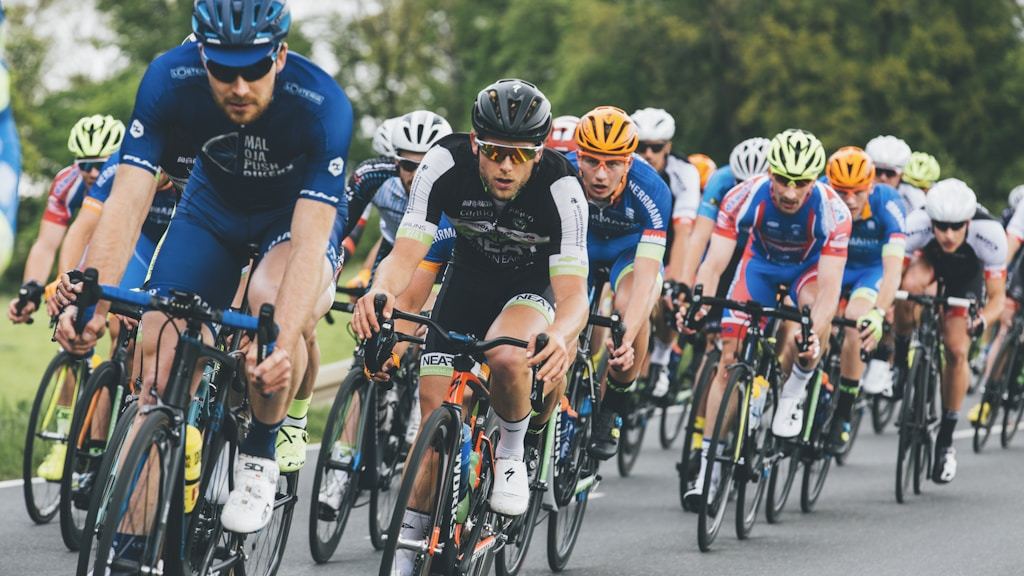
The cycling leg of an Ironman is 112 miles (180.25 kilometers). Athletes use road or triathlon bikes and must follow strict drafting rules depending on the event format.
What is the run distance in an Ironman?
The run segment is a full marathon: 26.2 miles (42.2 kilometers). It takes place after the swim and bike, making it especially challenging due to accumulated fatigue.
Is an Ironman longer than a marathon?
Yes, an Ironman is significantly longer than a marathon. While a marathon is 26.2 miles, an Ironman includes that same distance in running—plus a 2.4-mile swim and a 112-mile bike ride—totaling 140.6 miles.
Can beginners complete an Ironman?
Yes, beginners can complete an Ironman with proper training, dedication, and time. Most first-time participants spend 9–12 months preparing, often starting with shorter triathlons like sprints or Olympic distances before progressing.
More Articles
 When Does Park City Ski Resort Open? 2025-2026 Dates
 What VLT for Ski Goggles? Optimal Range Explained
 Where to Buy Used Skis: Top Trusted Sources
 How Much Is a California Fishing License in 2025?
 Golf Swing Fundamentals: Grip, Stance, and Alignment for Beginners
 Sports Guides: Fixes from Real-World Testing
 How Old Is Shaun White the Snowboarder? Age & Career Facts
 When Was the Skateboard Invented? History & Evolution
 When Were Skateboards Invented? History & Evolution
 How Long Is a Skydive? Full Timeline Explained