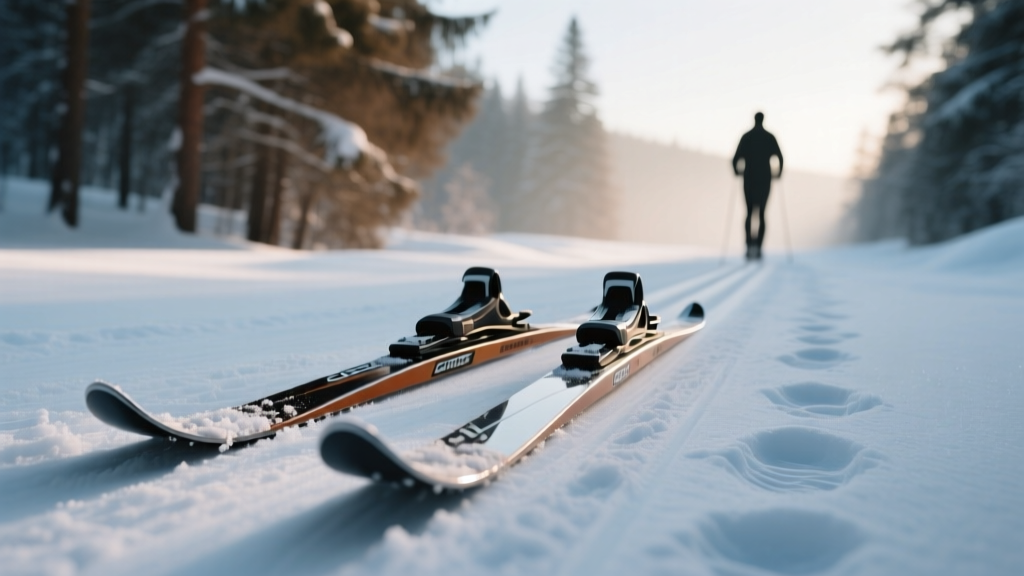
What Size Cross Country Skis Do I Need?
If you're wondering what size cross country skis do I need, the answer depends on your weight, skiing style (classic or skate), and skill level. Generally, classic skis should reach between your chin and nose when standing upright, while skate skis should come up to your lower lip or chin. However, ski length is primarily determined by manufacturer charts based on weight—not height. For example, a skier weighing 160 lbs typically needs 195–205 cm classic skis and 185–195 cm skate skis. Always prioritize weight-based sizing charts for accuracy.
Understanding Cross Country Ski Sizing Basics
Selecting the right ski length ensures better control, efficiency, and enjoyment on the trails. Unlike alpine skiing, cross country ski size is less about height and more about weight, skiing technique, and camber compression. The ski must flex properly under your weight to grip snow in classic skiing and maintain glide in skate skiing.
Key Factors That Determine Ski Length
- Skier Weight: The primary factor. Heavier skiers compress the ski more, requiring longer lengths for proper snow contact.
- Skiing Style: Classic skis are longer for grip and glide; skate skis are shorter for maneuverability.
- Skill Level: Beginners may benefit from slightly shorter skis for easier handling.
- Cambers and Flex: Skis must arch off the snow when weighted; incorrect size affects performance.
Classic vs. Skate Ski Sizing Guidelines
The two main cross country techniques require different ski characteristics. Mis-sizing can lead to poor kick (in classic) or instability (in skate).
Classic Ski Length Recommendations
Classic skis rely on a wax pocket or fish-scale pattern that engages when compressed. Proper length ensures the ski flattens fully under your weight for maximum grip.
- Recreational skiers: Choose skis that reach from chin to nose.
- Racing skiers: Often opt for longer skis (nose to forehead) for faster glide.
- Always verify with manufacturer's weight chart.
Skate Ski Length Recommendations
Skate skiing mimics ice skating and requires stiffer, shorter skis for lateral stability and quick edge-to-edge transitions.
- Typical length: 10–15 cm shorter than classic skis for the same skier.
- Should reach from upper lip to nose when standing.
- Weight-based sizing is critical due to high lateral forces.
Detailed Size Chart by Weight and Type
Below is a comprehensive reference table based on industry-standard sizing from major manufacturers like Fischer, Rossignol, and Madshus.
| Skier Weight (lbs) | Skier Weight (kg) | Classic Ski Length (cm) | Skate Ski Length (cm) | Recommended Use |
|---|---|---|---|---|
| 120–135 | 54–61 | 185–195 | 175–185 | Junior/Small Adult |
| 140–155 | 63–70 | 195–205 | 185–195 | Adult Recreational |
| 160–175 | 73–79 | 205–215 | 195–205 | Adult Performance |
| 180–195 | 82–88 | 215–225 | 205–215 | Advanced/Racing |
| 200+ | 91+ | 225–235 | 215–225 | Racing/High Performance |
The data shows a consistent 10–15 cm difference between classic and skate ski lengths across all weight classes. This reflects the technical demands of each discipline. Additionally, racing-oriented skiers often choose the upper end of each range for enhanced glide and stability at speed.
How to Test Ski Size Fit
While charts are reliable, real-world testing helps confirm fit. Here’s how:
- Check Camber: Place the ski on the ground under your weight. The center (waist) should just barely touch or remain slightly above the floor.
- Grip Zone Contact: In classic skiing, the camber should flatten so the grip zone makes full contact when you stand evenly.
- Balance Test: On snow, ensure you can balance easily without the ski tip diving or tail lifting excessively.
Common Mistakes When Choosing Ski Size
- Using Height Instead of Weight: A tall, lightweight skier does not need long skis.
- Choosing Too Long for 'Speed': Overly long skis reduce maneuverability and increase fatigue.
- Ignoring Ski Flex: Even correct length fails if flex is too soft or stiff.
- One-Size-Fits-All Assumption: Skate and classic skis are not interchangeable in length.
Frequently Asked Questions About Cross Country Ski Sizing
What size cross country skis do I need for my weight?
Your ideal ski size is primarily based on weight. For classic skiing, a 160 lb skier should use skis around 200–205 cm. For skate skiing, aim for 185–195 cm. Always consult the manufacturer’s chart as flex profiles vary.
Do cross country skis depend on height or weight?
Weight is the dominant factor, not height. The ski must compress correctly under load to engage the camber. A 6' tall person weighing 150 lbs needs shorter skis than a 5'8" person weighing 180 lbs.
How long should skate skiing skis be compared to classic?
Skate skis are typically 10–15 cm shorter than classic skis for the same skier. This allows quicker edging and better control during lateral pushes common in skate technique.
Can I use the same skis for classic and skate skiing?
No, classic and skate skis are designed differently. Classic skis have a grip zone and longer length; skate skis are stiffer and shorter. Using one for both disciplines reduces performance and increases injury risk.
What happens if my cross country skis are too long?
If skis are too long, they won’t compress properly, reducing grip in classic skiing and making skate skis harder to control. They also increase fatigue due to added swing weight and reduced responsiveness.
Final Tips for Choosing the Right Ski Size
Always refer to the specific brand’s sizing chart, as construction and camber vary. Try before you buy if possible. Consider your primary use—recreation, fitness, or racing—and select length accordingly. When in doubt, opt for the mid-range option and prioritize proper boot-binding-ski compatibility for optimal performance.
More Articles
 How Long Does It Take to Skydive? Full Breakdown
 How to Improve Your Vertical Jump: Science-Based Training Program
 Hiking Shoe Brands Not Made in China
 How Much Do CrossFit Classes Cost in 2025?
 When Does Ski Season End in Colorado?
 When Do NBA Training Camps Start? 2025 Dates & Schedule
 How Much Is Better Me Pilates? Costs Explained
 Where Was Soul Surfer Filmed? Key Locations Revealed
 How Long Is NFL Training Camp? Duration & Schedule Explained
 Badminton Footwork Drills: 6 Exercises for Lightning-Fast Court Coverage