What to Bring to Pilates Class: Essential Checklist
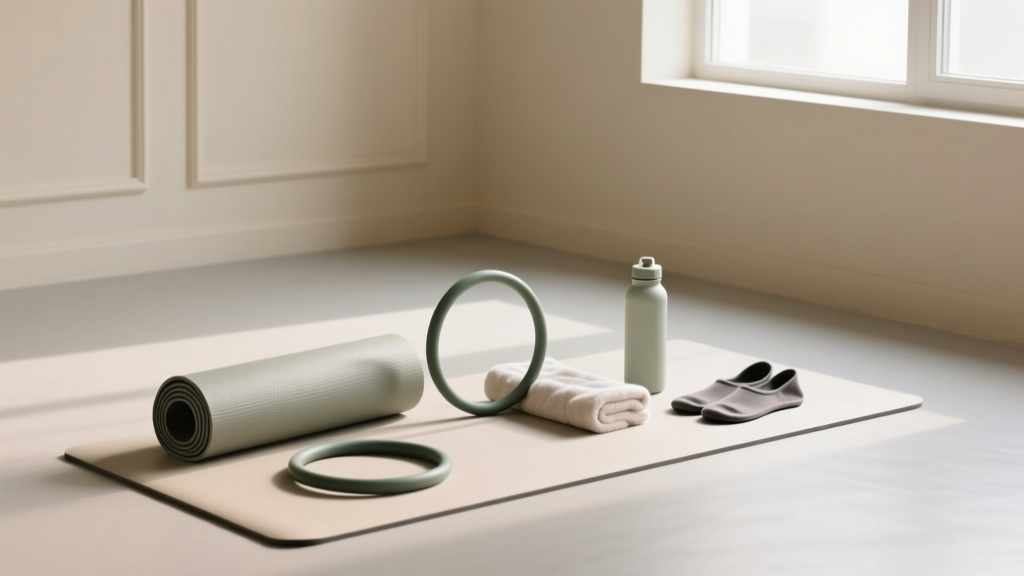
If you're wondering what to bring to a Pilates class, the essentials are simple: comfortable workout clothes, a water bottle, and a yoga or Pilates mat. Most studios provide props like resistance bands, blocks, and straps, but check ahead. Avoid bulky jewelry, and consider bringing a small towel and socks with grip soles for hygiene and stability.
What Should You Wear to a Pilates Class?
Choosing the right attire ensures freedom of movement and helps your instructor assess your alignment and form.
Key Clothing Tips
- Fitted yet stretchy clothing (e.g., leggings and moisture-wicking tops)
- Close-fitting sleeves to avoid interference during arm movements
- Bare feet or grippy Pilates socks
- Avoid overly loose garments that may hide posture issues
Essential Items to Bring to Your First Pilates Class
While many studios offer rental gear, being prepared enhances comfort and consistency in your practice.
- Mat: A standard yoga or Pilates mat (preferably non-slip)
- Water bottle: Stay hydrated during low-impact but focused sessions
- Towel: Especially useful for mat classes in group settings
- Grippy socks: Provide traction and warmth during floor work
- Change of clothes: Optional, depending on travel plans post-class
Optional Equipment Based on Class Type
Different Pilates formats require different tools. Knowing what’s used can help you decide what to pack.
| Equipment | Used In | Provided by Studio? | Can You Bring Your Own? |
|---|---|---|---|
| Pilates Reformer | Reformer classes | Yes (studio-owned) | No (stationary equipment) |
| Resistance Bands | Mats & Barre classes | 85% of studios 1 | Yes (lightweight, portable) |
| Small Exercise Ball (6-8") | Core-focused mat classes | 60% 2 | Yes (easy to carry) |
| Foam Roller | Myofascial release add-ons | 50% 3 | Yes (bulky but effective) |
| Yoga Block | Beginner or therapeutic sessions | 90% 4 | Yes (lightweight option) |
Data shows most studios supply common props like resistance bands and yoga blocks, but availability drops for foam rollers and exercise balls. Bringing your own lightweight accessories ensures consistency and hygiene, especially if you train frequently across multiple locations.
What Not to Bring to Pilates
Avoid items that could disrupt your flow or damage studio equipment.
- Bulky jewelry: Can interfere with movements or scratch equipment
- Street shoes: Leave them at the entrance to maintain cleanliness
- Large bags: Opt for a small gym tote to save space
- Perfume or strong scents: Many studios are scent-free zones
FAQs About What to Bring to Pilates Class
Do I need to bring my own Pilates mat?
While some studios offer rentals, bringing your own mat ensures familiarity, hygiene, and consistent thickness for proper support. High-quality mats designed for Pilates provide better cushioning for spinal work than standard yoga mats.
Can I wear regular socks instead of grippy ones?
You can, but grippy socks are recommended—especially for reformer classes—because they prevent slipping on the machine’s footbar and carriage. They also help maintain alignment during standing exercises.
Are towels necessary for Pilates classes?
Towels aren’t mandatory but are useful for wiping sweat or placing over shared equipment. Some boutique studios require them for hygiene, so it’s wise to carry a small one in your bag.
Should I bring a water bottle?
Yes. Even though Pilates is low-impact, staying hydrated supports muscle function and focus. Many studios have water stations, so bring a reusable bottle to reduce waste and stay refreshed.
What if the studio doesn’t provide props? Should I buy my own?
If you attend classes regularly, investing in basic props like resistance bands, a small ball, or a foam roller makes sense. For occasional visits, borrowing or renting is cost-effective. Check with your instructor for brand and size recommendations.
More Articles
 Sports Brands vs Athletic Performance
 When Does Park City Open for Skiing? 2024 Dates
 Beginner Guide to Heart Rate Training Zones for Cardio Fitness
 Can Calisthenics Burn Fat? Science-Backed Answer
 Where Did Skiing Originate? Ancient Roots and Evolution
 What Distances Are in a Triathlon? Full Breakdown
 How Much Does a CrossFit Coach Make? (2025 Data)
 Best Places to Go Snow Skiing in 2025
 Who Plays in the Camping World Stadium? Teams & Events
 Best Hiking Boots: Top Stores & Online Retailers (2026)