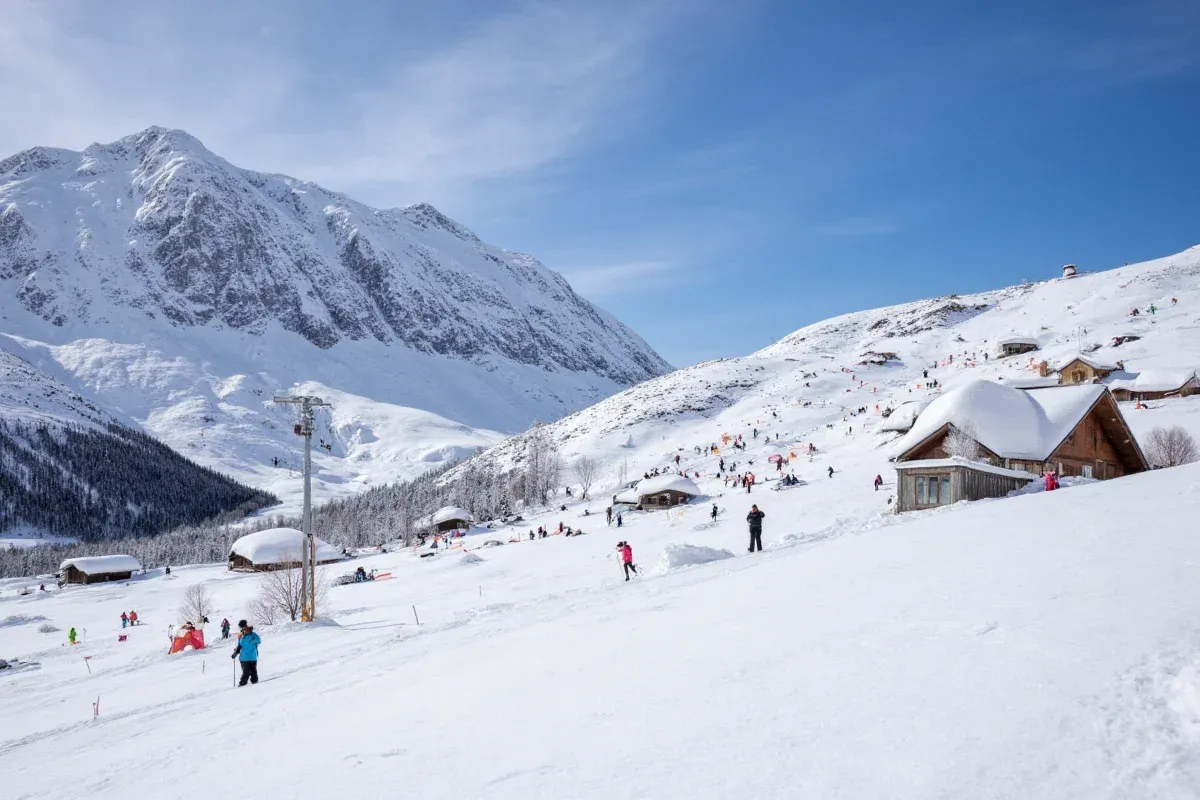
When Does Ski Season Finish? Key Dates by Region
Ski season typically ends between late March and early May, depending on the region, altitude, and snow conditions. Major destinations like the Alps, Rockies, and Japan usually close lifts by late April, though high-elevation resorts may operate into May or even June during heavy snow years.
Factors Influencing Ski Season End Dates
The end of ski season varies significantly across the globe due to multiple environmental and operational factors. Understanding these helps skiers plan their final trips effectively.
Key Determinants of Closing Dates
- Geographic location: Northern hemisphere resorts generally close earlier than those at higher altitudes or latitudes.
- Elevation: Higher resorts retain snow longer; many above 2,500 meters stay open past lowland areas.
- Snowfall and temperature: Warmer winters shorten seasons, while abundant snow extends them.
- Resort infrastructure: Resorts with snowmaking capabilities can prolong operations despite poor natural snowfall.
- Local tourism calendar: Some resorts time closures around holidays like Easter to maximize visitor numbers.
Regional Breakdown of Typical Closing Dates
Ski season end dates differ widely by continent and mountain range. Here's a detailed look at major skiing regions and their average closing periods.
North America: U.S. and Canada
In North America, most ski resorts wrap up operations in mid-April. However, high-altitude resorts such as Whistler Blackcomb (Canada), Aspen Highlands (USA), and Mammoth Mountain (California) frequently extend into May due to favorable snowpack and terrain.
European Alps: France, Switzerland, Austria, Italy
The Alps see most resorts closing between late March and mid-April. High villages like Zermatt (Switzerland) and Tignes (France) offer glacier skiing and often remain open year-round or until May.
Japan: Hokkaido and Honshu
Japanese resorts, particularly in Hokkaido, benefit from consistent powder. Niseko United typically closes in early May, while some Honshu resorts finish by mid-April.
Southern Hemisphere: Australia and New Zealand
These regions have opposite seasonal patterns. Their ski season peaks in August and ends in early November, making them ideal for off-season skiing in the northern hemisphere.
| Resort | Country | Base Elevation (m) | Typical Closing Date | Extended to (recent years) |
|---|---|---|---|---|
| Whistler Blackcomb | Canada | 675 | May 19 | May 26 (2024) |
| Mammoth Mountain | USA | 2,100 | May 19 | June 30 (2023) |
| Zermatt | Switzerland | 1,620 | Year-round (glacier) | Open all year |
| Tignes | France | 1,850 | May 4 | May 10 (2023) |
| Niseko United | Japan | 500 | May 6 | May 6 (2024) |
| Thredbo | Australia | 1,365 | October 7 | October 14 (2023) |
The data shows that elevation and glacier access are strong predictors of extended operations. Resorts like Mammoth and Whistler leverage high base elevations and advanced snow management to push beyond typical spring melt periods. Meanwhile, Zermatt and Tignes use glacial terrain to maintain summer skiing, attracting visitors year-round.
How Climate Change Is Affecting Ski Season Length
Rising global temperatures are shortening ski seasons, especially at lower elevations. Studies indicate a trend toward later starts and earlier finishes over the past two decades.
- Low-altitude resorts (<1,500 m) face increasing uncertainty, with some closing permanently.
- Investment in snowmaking has become essential for economic viability.
- Operators are diversifying offerings with summer activities to offset shorter winter windows.
Planning Your Final Ski Trip of the Season
To maximize your chances of great snow and open terrain at season’s end, consider these tips:
- Target high-elevation resorts known for late closures.
- Check snow reports and operating calendars weekly in spring.
- Book flexible accommodations in case of unexpected early closures.
- Consider destinations with glacier skiing for reliable spring conditions.
- Look for après-ski festivals—many resorts host end-of-season celebrations.
Common Questions About Ski Season End Dates
When does ski season end in the Alps?
Ski season in the Alps typically ends between late March and mid-April. High-altitude resorts like Tignes (France) and Zermatt (Switzerland) often remain open until early May, with Zermatt offering year-round skiing on glaciers.
Which ski resorts stay open the longest?
Resorts with high elevation and glacier access stay open the longest. Mammoth Mountain (USA), Whistler Blackcomb (Canada), Tignes (France), and Zermatt (Switzerland) regularly operate into May. Some, like Zermatt, offer summer skiing.
Does climate change affect ski season duration?
Yes. Warmer temperatures and reduced snowfall have shortened ski seasons, especially at lower elevations. Many resorts now rely heavily on snowmaking and are investing in summer tourism to adapt to changing conditions.
Can you ski in May?
Yes, you can ski in May at select high-elevation or glacier resorts. Locations like Mammoth Mountain, Whistler, and Zermatt often have open terrain in May, particularly after heavy snow years.
When does ski season end in Colorado?
In Colorado, most ski resorts close by mid-April. However, high-altitude areas like Arapahoe Basin can stay open into June if conditions allow, with recent seasons ending as late as June 4, 2023.
More Articles
 Speed Tools Compared for Sports Sites
 Who Is Mardy Fish? Career, Stats & Legacy
 Best Places to Go Skydiving in 2025
 Better Me Pilates Kit Price & Value (2025)
 Where to Buy Ski Clothes: Best Stores & Deals 2025
 What Distances Are in a Triathlon? Full Breakdown
 Who Owns Alo Yoga? Founders and Ownership Details
 Did Yoga Help You Lose Weight? Real Results & Science
 Injury Prevention Strategies: How Athletes Stay Healthy All Season
 Where Was Soul Surfer Filmed? Key Locations Revealed