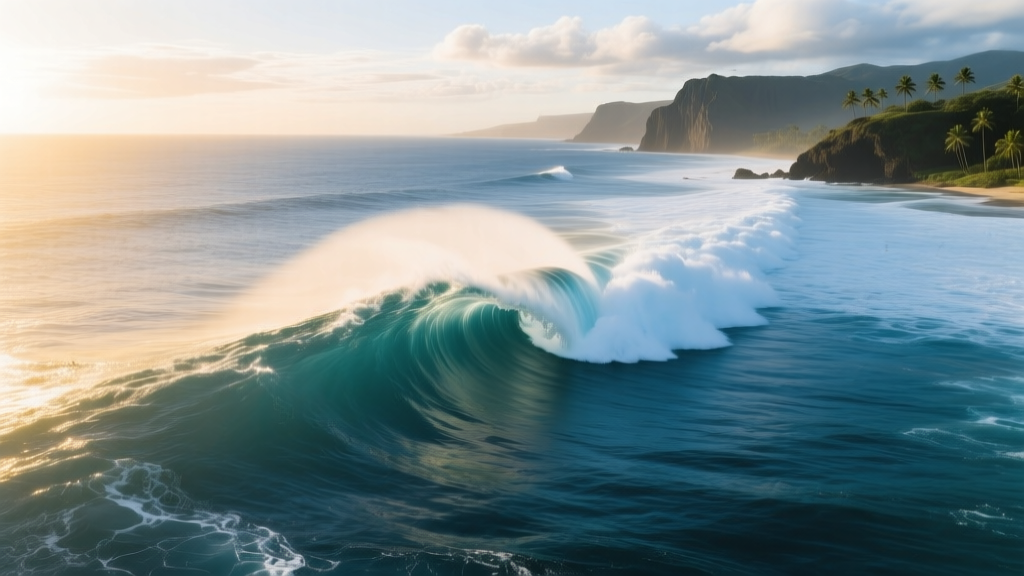
Where Are the Biggest Surfing Waves in the World?
The biggest surfing waves in the world are found at Praia do Norte in Nazaré, Portugal, where swells exceeding 80 feet (24 meters) have been recorded. This coastal town is renowned for its extreme wave conditions driven by an underwater canyon that amplifies ocean swells, making it the epicenter of big-wave surfing.
Why Nazaré Produces the World's Largest Surfable Waves
Nazaré, located on Portugal's western coast, stands out due to its unique geological formation: the Nazaré Canyon. This massive underwater trench extends over 150 miles and funnels deep-ocean swells directly toward the shore, creating ideal conditions for record-breaking waves.
Key Factors Behind Nazaré's Massive Waves
- Underwater Canyon: The Nazaré Canyon is one of the deepest submarine canyons in Europe, reaching depths of over 16,700 feet (5,100 meters).
- Wave Focusing: The canyon acts like a lens, concentrating wave energy into a narrow area near Praia do Norte.
- North Atlantic Storms: Winter storms in the North Atlantic generate powerful swells that travel uninterrupted across thousands of miles before hitting the coast.
- Bathymetry: The sudden rise of the seafloor near the shore causes waves to steepen rapidly, increasing their height dramatically.
Other Top Locations for Giant Surfing Waves
While Nazaré holds the record for the largest wave ever surfed, several other global spots are known for consistently massive surf.
Top Big-Wave Surfing Destinations
- Jaws (Peahi), Maui, Hawaii: Famous for its fast, thick waves powered by Pacific storms.
- Taipusanga, Tahiti: A reef break producing heavy, barreling waves during southern hemisphere swells.
- Cowaramup Bombora, Western Australia: An offshore reef break with waves reaching up to 60 feet.
- Mavericks, California: Cold-water waves generated by deep-sea canyons near Half Moon Bay.
- Shipstern Bluff, Tasmania: Known for its rare left-hand barrel and extreme paddle-in challenges.
| Location | Maximum Wave Height (feet) | Maximum Wave Height (meters) | Notable Surfer Record | Season |
|---|---|---|---|---|
| Praia do Norte, Nazaré (Portugal) | 100+ | 30.5+ | Garrett McNamara (80 ft / 24.4 m unofficial) | Oct–Mar |
| Jaws, Maui (Hawaii, USA) | 60–80 | 18–24 | Mark Healey (70+ ft tow-in) | Nov–Mar |
| Mavericks (California, USA) | 50–65 | 15–20 | Jeff Clark (founding pioneer) | Dec–Feb |
| Cowaramup Bombora (Western Australia) | 50–60 | 15–18 | Mark Visser (night session, 50 ft) | May–Sept |
| Shipstern Bluff (Tasmania, Australia) | 30–50 | 9–15 | Greg Long (survived 50+ ft fall) | Apr–Oct |
The data confirms that Nazaré surpasses all other locations in maximum recorded wave height, particularly due to its unmatched bathymetric advantage. While Jaws and Mavericks offer more consistent giant swells, Nazaré remains the only spot where verified waves exceed 80 feet. The seasonal variation also highlights how hemispheric storm patterns influence peak surf windows globally.
How Big-Wave Surfing Records Are Verified
Organizations like Guinness World Records and the World Surf League (WSL) Big Wave Awards use GPS tracking, drone footage, and photogrammetry to measure wave height accurately. Unlike traditional surf breaks, big-wave spots require specialized equipment such as jet skis for tow-in surfing due to the speed and size of incoming sets.
Criteria for Official Recognition
- Measurement must be from trough to crest using calibrated imagery or GPS.
- Surfer must ride the wave fully, maintaining control throughout.
- Independent verification by judges or scientific analysts is required.
- Waves measured during official events (e.g., WSL Big Wave Awards) carry higher credibility.
Safety and Preparation for Riding Giant Waves
Big-wave surfing demands rigorous physical training, mental resilience, and advanced safety protocols. Surfers undergo breath-hold training, strength conditioning, and emergency response drills before attempting these rides.
Essential Safety Measures
- Tow-in Teams: Use of jet skis for rapid deployment and quick rescue.
- Inflatable Vests: Deployable air bags help surfers surface after hold-downs.
- Shark Deterrents: Used in remote locations like Western Australia.
- Medical Support On-Site: Paramedics and oxygen units are standard at major events.
Frequently Asked Questions About the Biggest Surfing Waves
What is the biggest wave ever surfed?
The largest wave ever officially surfed was ridden by Rodrigo Koxa in Nazaré, Portugal, in November 2017. It measured 86.2 feet (26.2 meters) and was certified by Guinness World Records in 2018.
Where do the biggest winter swells come from?
The largest winter swells originate in the North Pacific and Southern Ocean. Storm systems generate long-period swells that travel thousands of miles to reach big-wave hotspots like Jaws, Mavericks, and Nazaré.
Can you paddle into the biggest waves?
At most extreme breaks like Nazaré and Jaws, paddling into waves over 40 feet is nearly impossible. Most riders use tow-in methods with jet skis to match the speed of fast-moving behemoths.
Who holds the record for most big-wave rides at Nazaré?
Garrett McNamara was the first to popularize Nazaré after riding a 78-foot wave in 2011. Since then, Maya Gabeira and Sebastian Steudtner have become regulars, with Gabeira setting a women's record of 73.5 feet in 2020.
Are there any environmental concerns related to big-wave surfing?
Yes. Increased human activity at remote surf sites can disturb marine ecosystems. Additionally, climate change may alter storm patterns and swell consistency, potentially affecting future wave sizes and surf seasons.
More Articles
 Odds of Dying While Skydiving: Real Risks & Stats
 Top Exercises for Shoulder & Neck Strength
 Can Pilates Build Muscle? Science-Backed Answer
 Why Is Skiing So Expensive? Cost Breakdown 2025
 Best Football for NCAA: Official Specs, Top Brands, and What Players Actually Use on Game Day
 How Much Does It Cost to Become a Pilates Instructor?
 Where Did Skateboarding Originate? | History & Origins
 A and B Cycle Training Explained
 Beginners and MEAN Stack Compared: Practical Reality Check for New Developers
 Where Did Skiing Originate? Ancient Roots and Evolution