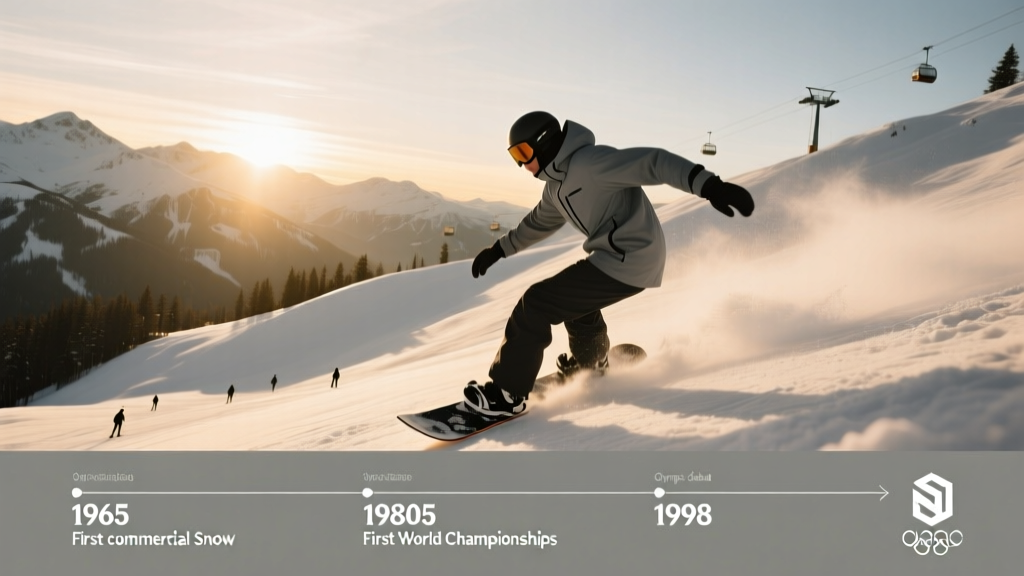
When Did Snowboarding Become Popular? Key Milestones
Snowboarding became popular in the late 1980s and early 1990s, gaining mainstream traction by the mid-1990s, with its inclusion in the 1998 Winter Olympics marking a pivotal moment in global recognition.
The Rise of Snowboarding: From Underground Sport to Global Phenomenon
Snowboarding's journey from a niche winter pastime to a globally celebrated sport reflects cultural shifts, technological advancements, and growing youth appeal. The sport began gaining significant momentum in the late 1980s as snowboard manufacturers improved board design and ski resorts gradually opened their slopes to riders. By the early 1990s, snowboarding had captured the imagination of young athletes and outdoor enthusiasts alike.
Key Factors Driving Early Popularity
- Emergence of dedicated snowboard brands like Burton, Sims, and Lib Tech
- Increase in snowboard-specific terrain parks and halfpipes
- Media exposure through magazines such as Transworld Snowboarding
- Youth-driven culture blending elements of skateboarding and surfing
- Backlash from traditional ski communities, which fueled rebellious appeal
Olympic Recognition and Mainstream Acceptance
The inclusion of snowboarding in the 1998 Nagano Winter Olympics was a turning point. Events like giant slalom and halfpipe introduced the sport to millions of viewers worldwide. Despite initial skepticism from core riders about commercialization, Olympic participation legitimized snowboarding as a competitive discipline.
Post-Olympic Growth Trends
After 1998, participation rates surged across North America, Europe, and Japan. Major ski resorts expanded lift access and built specialized parks. Sponsorship deals with global brands boosted athlete visibility, turning riders like Shaun White and Hannah Teter into household names.
| Year | U.S. Snowboard Participants (Millions) | Number of U.S. Resorts Allowing Snowboarding | FIS World Cup Events |
|---|---|---|---|
| 1985 | 0.1 | 10 | 0 |
| 1990 | 0.5 | 480 | 6 |
| 1995 | 1.8 | 950 | 14 |
| 1998 | 3.2 | 1,450 | 20 |
| 2005 | 6.7 | 1,900 | 32 |
The data shows exponential growth in participation and resort accessibility between 1985 and 2005. A tenfold increase in U.S. participants and near-universal resort acceptance by 2005 highlight institutional integration. The steady rise in FIS-sanctioned events indicates formalization of competitive structures.
Technological and Cultural Evolution
Innovations That Shaped the Sport
Advancements in equipment played a crucial role in making snowboarding more accessible and safer. Key developments include:
- Capable all-mountain boards replacing early rudimentary designs
- Step-in bindings improving ease of use
- Camber, rocker, and hybrid profiles enhancing performance
- Improved boot flexibility and support
- Digital tracking tools and wearable tech for training
Cultural Impact and Media Influence
Movies like Out Cold (2001) and video games such as SSX helped cement snowboarding in pop culture. Social media platforms amplified athlete reach, enabling real-time sharing of tricks and mountain experiences. This digital presence continues to attract younger demographics.
Global Expansion and Modern Trends
Today, snowboarding is practiced in over 50 countries. While growth slowed slightly post-2010 due to climate change impacts and aging rider bases, new markets in China and South Korea are emerging. Adaptive snowboarding programs have also broadened inclusivity.
Common Questions About When Snowboarding Became Popular
When did snowboarding become an official Olympic sport?
Snowboarding made its Olympic debut at the 1998 Winter Games in Nagano, Japan, featuring men’s and women’s giant slalom and halfpipe events.
What year was considered the peak of snowboarding's popularity?
The peak in terms of U.S. participation occurred around 2008–2010, when annual snowboarders reached nearly 8 million before plateauing and slightly declining.
Why was snowboarding banned at some ski resorts initially?
Many ski resorts banned snowboarders in the 1980s due to safety concerns, perceived disruptive behavior, and conflicts with skiers over trail usage and etiquette.
Who helped make snowboarding popular?
Riders like Shaun White, Terje Håkonsen, Travis Rice, and Kelly Clark elevated the sport through competition success, film appearances, and media presence, helping drive mainstream appeal.
Is snowboarding still growing in popularity today?
Growth has stabilized in traditional markets like the U.S. and Canada, but rising interest in Asia and adaptive snowboarding suggests continued evolution rather than decline.
More Articles
 Stop Swim Goggles From Fogging: 5 Fixes
 What State Has the Most Ski Resorts? Answer & Comparison
 Where Did Skiing Originate? Ancient Roots and Evolution
 Best Places to Go Skydiving in 2025
 Long Jump World Record Progression: Every Record from 1901 to Present
 How Safe Is Skydiving? Real Data & Risk Analysis
 How To Match Invented With Jump: A Practical Guide for Product Developers and Brand Strategists
 Skydiving Weight Limit: What You Need to Know
 Where Did Skateboarding Originate? | History & Origins
 Best Hiking Boots: Top Stores & Online Retailers (2026)