Why Olympic Surfing Is in Tahiti for 2024
Why Is Olympic Surfing in Tahiti?
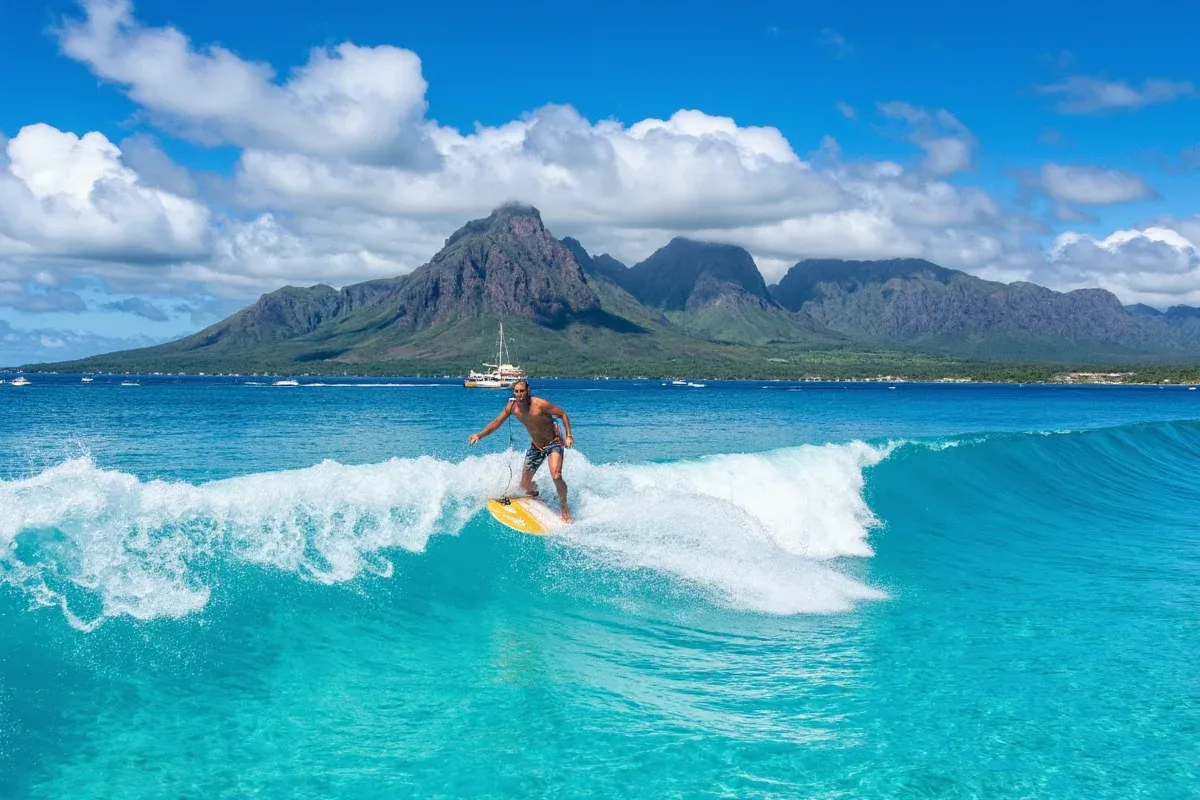
Olympic surfing is held in Tahiti, specifically at Teahupo'o, because it offers one of the most consistent, powerful, and world-class waves on the planet—perfect for elite competition. Despite being over 9,700 miles from Paris, the 2024 Summer Olympics chose this location to ensure optimal surf conditions during the event window, leveraging Tahiti’s reliable swell patterns and deep cultural ties to surfing’s Polynesian roots.
The Significance of Teahupo'o as an Olympic Venue
Teahupo'o, located on the southern coast of Tahiti Iti (the smaller peninsula of Tahiti), has long been revered in the global surfing community. Known for its heavy, barreling waves that break over a shallow coral reef, it presents both a challenge and a spectacle unmatched by most surf breaks worldwide.
Key Reasons for Choosing Teahupo'o
- World-Class Wave Quality: Consistent swells generate high-performance barrels ideal for competitive surfing.
- Cultural Authenticity: Surfing originated in Polynesia; holding the event here honors its ancestral heritage.
- Optimal Timing: The Southern Hemisphere winter (July–August) aligns with peak swell season in French Polynesia.
- Infrastructure Feasibility: Though remote, France's overseas territory status enables logistical and security support.
- Global Spectacle: The dramatic visuals of Teahupo'o enhance broadcast appeal and viewer engagement.
Logistical Challenges and Solutions
Holding an Olympic event so far from the host city—Paris—is unprecedented. However, several strategic decisions mitigate risks and ensure smooth operations.
Major Logistical Considerations
- Athlete and official travel coordination between Europe and French Polynesia.
- Transportation of equipment, including boards, safety gear, and broadcasting technology.
- Environmental protection measures to preserve the fragile coral ecosystem.
- Accommodation and security arrangements for athletes, media, and spectators.
- Real-time scoring and judging integration despite time zone differences.
| Metric | Value | Comparison to Other Olympic Surf Sites |
|---|---|---|
| Wave Height (Average) | 6–8 feet (peaks up to 12 ft) | Higher than Tsurigasaki Beach, Japan (3–6 ft avg) |
| Swell Consistency (July-Aug) | 85%+ days with rideable waves | More reliable than Gold Coast, Australia (70%) |
| Water Depth at Break | ~20 inches at low tide | Shallower and more dangerous than Pipeline, Hawaii (~3 ft) |
| Distance from Host City | 9,720 miles (15,650 km) from Paris | Furthest Olympic venue from host city in history |
| Event Duration | 6 competition days (within 11-day window) | Same format as Tokyo 2020 |
The data shows that Teahupo'o outperforms previous Olympic surfing venues in wave quality and consistency, justifying its selection despite logistical complexity. Its shallow reef creates faster, hollower waves that test elite skill levels, while the high swell reliability during the competition window reduces postponement risk. This combination makes it uniquely suited for showcasing top-tier performance under pressure.
Environmental and Cultural Impact
The decision to hold the event in Tahiti also raises awareness about ocean conservation and indigenous rights. Local communities have expressed both pride and concern regarding environmental disruption and cultural commodification.
Positive and Negative Impacts
- Positive: Global spotlight on Polynesian culture, increased eco-tourism, investment in local infrastructure.
- Negative: Risk of coral damage, overcrowding, waste management challenges, and potential disrespect for sacred sites.
To address these issues, organizers implemented a sustainability plan including reef-safe sunscreen mandates, temporary structures, and partnerships with local environmental groups like Rahi Moana. Additionally, traditional ceremonies were integrated into the opening events to honor local customs.
Frequently Asked Questions About Olympic Surfing in Tahiti
Why wasn't surfing held in France instead of Tahiti?
Mainland France lacks consistent, high-quality waves during the summer months. While spots like Biarritz have strong surf cultures, they cannot guarantee the wave size and reliability needed for Olympic-level competition. Tahiti, as a French overseas territory, legally allows the event to remain under French jurisdiction while offering superior natural conditions.
When will the surfing events take place in 2024?
The competition window runs from July 27 to August 5, 2024. Events will be scheduled on days with the best predicted swell and wind conditions, with a maximum of six competition days used within this period.
How are scores determined in Olympic surfing?
Judges use a 10-point scale based on difficulty, innovation, variety, and execution. Each surfer completes multiple rides, and their two highest-scoring waves are combined for a total out of 20. A panel of five judges drops the highest and lowest scores for each ride to reduce bias.
Is Teahupo'o safe for professional surfers?
Teahupo'o is considered one of the most dangerous waves due to its shallow reef and powerful impact zone. However, elite surfers train specifically for such conditions. Safety teams, including jet ski rescuers and medical personnel, will be on standby during the Olympics to respond instantly to injuries.
Will fans be able to attend the surfing events in person?
Limited spectator access will be available via boat or viewing platforms to minimize environmental impact. Tickets are restricted and prioritized for locals and accredited guests. Most fans are expected to watch through live broadcasts, which will feature drone footage and real-time analytics.
More Articles
 Where to Buy Ski Pants Near Me: Top Local Stores
 Where to Buy Snowboards: Best Retailers 2025
 Bike Saddle Height: The 109% Rule
 Best Warm-Up Exercises Before Sports: Dynamic Stretching Routines for Athletes
 When Did Snowboarding Start? Origins & Evolution
 How Often Should You Do Pilates? Optimal Weekly Frequency
 Where to Go Skiing: Top Global Destinations for 2025
 How Much Is a Fishing License at Walmart? (2025 Prices)
 What Does Hit for the Cycle Mean in Baseball?
 Volleyball Knee Pads: Sizing Guide