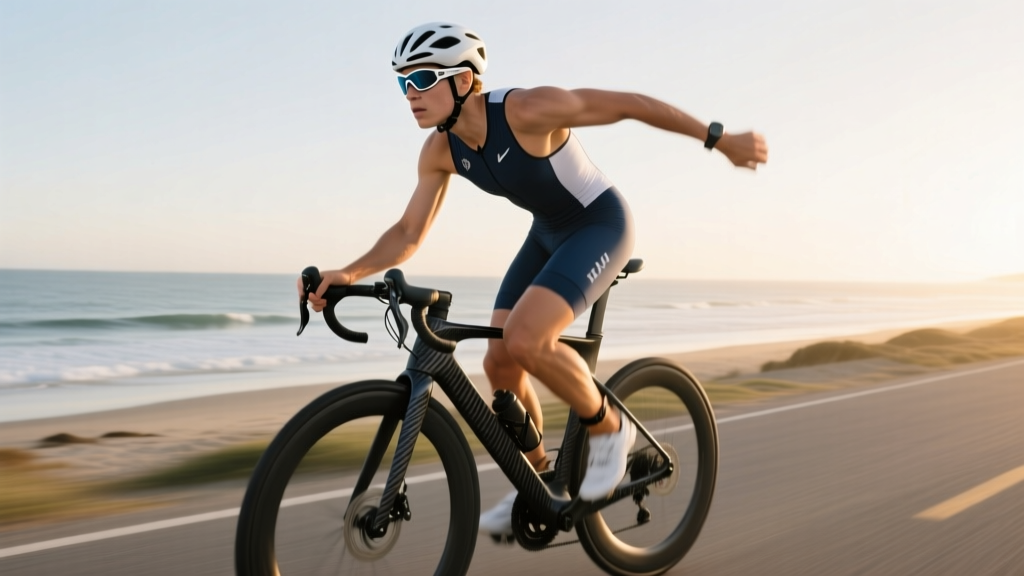
Ironman Triathlon Distances: Full Event Breakdown
An Ironman triathlon consists of a 3.8 km (2.4 mile) swim, followed by a 180 km (112 mile) bike ride, and finishes with a 42.2 km (26.2 mile) marathon run.
What Is an Ironman Triathlon?
The Ironman triathlon is one of the most challenging endurance events in the world, testing athletes across three disciplines: swimming, cycling, and running. Organized by the World Triathlon Corporation (WTC), the full Ironman race covers a total distance of 226 kilometers (140.6 miles). It begins with a 3.8 km open-water swim, transitions to a 180 km bicycle segment, and concludes with a full marathon of 42.2 km. Completing an Ironman within the 17-hour time limit requires months of rigorous training, exceptional stamina, and mental resilience.
Origin and Global Recognition
First held in 1978 on the island of Oahu, Hawaii, the Ironman was created to settle a debate over which athletes were the fittest: swimmers, cyclists, or runners. Since then, it has grown into a global phenomenon with official Ironman-branded events held in over 30 countries. The pinnacle event remains the Ironman World Championship, currently hosted in Kailua-Kona, Hawaii, and later alternating with locations such as Nice, France.
Breakdown of Ironman Distances
The standard Ironman triathlon adheres to fixed distances recognized worldwide. These are consistent across all official Ironman races, regardless of location.
- Swim: 3.8 kilometers (2.4 miles)
- Bike: 180 kilometers (112 miles)
- Run: 42.2 kilometers (26.2 miles - a full marathon)
- Total Distance: 226 kilometers (140.6 miles)
Each segment is physically and mentally demanding, requiring specific training strategies, nutrition planning, and pacing discipline.
Transition Phases (T1 and T2)
Transitions between disciplines—T1 (swim-to-bike) and T2 (bike-to-run)—are included in the overall time. Efficient transitions can save valuable minutes. Athletes often practice these extensively to minimize time loss.
Comparison With Other Triathlon Formats
While Ironman represents the gold standard in long-distance triathlons, several other formats exist for different fitness levels and goals.
| Triathlon Format | Swim | Bike | Run | Total Distance |
|---|---|---|---|---|
| Sprint | 750m | 20km | 5km | 25.75km |
| Olympic (Standard) | 1.5km | 40km | 10km | 51.5km |
| Half-Ironman (70.3) | 1.9km | 90km | 21.1km | 113km |
| Ironman (Full) | 3.8km | 180km | 42.2km | 226km |
| Ultra-Triathlon | >3.8km | >180km | >42.2km | >226km |
The data highlights how the full Ironman doubles the distances of the Half-Ironman 70.3, especially in the cycling leg. The progression from sprint to full Ironman reflects increasing physical and logistical demands, making it a benchmark for endurance athletes globally.
Training Requirements for Ironman
Preparing for an Ironman typically takes 6–12 months of structured training. Key components include:
- Weekly Volume: 10–20 hours depending on experience level
- Swimming: Technique drills and open water sessions
- Cycling: Long rides (5+ hours), interval training, hill climbs
- Running: Marathon-paced long runs, brick workouts (bike-to-run)
- Nutrition: Practice fueling during long sessions (60–90g carbs/hour)
- Recovery: Sleep, stretching, and injury prevention strategies
Typical Race Day Timeline
A standard Ironman event follows this schedule:
- 06:00 AM – Swim start (wave or mass start)
- 07:30 AM – Transition 1 (T1)
- 07:45 AM – Bike segment begins
- 12:30 PM – Transition 2 (T2)
- 12:45 PM – Run begins
- 3:00 PM – 7:00 PM – Finish line window (top pros finish around 8 hours; cutoff at 17 hours)
Notable Ironman Events Worldwide
While all Ironman races follow the same distance standards, certain events stand out due to difficulty, prestige, or unique conditions.
- Ironman World Championship – Kona, Hawaii: The original and most prestigious race, known for extreme heat and humidity.
- Ironman Nice, France: Scenic course along the Mediterranean, now part of the championship rotation.
- Ironman Cozumel, Mexico: Fast course with warm water and flat bike route.
- Ironman South Africa: Challenging terrain and high competition level.
- Ironman Australia: Popular among elite athletes for its fast course and favorable conditions.
Frequently Asked Questions About Ironman Distances
What are the distances in a full Ironman triathlon?
A full Ironman triathlon consists of a 3.8 km (2.4 mile) swim, 180 km (112 mile) bike ride, and a 42.2 km (26.2 mile) marathon run, totaling 226 km (140.6 miles).
How long is the swim in an Ironman?
The swim portion of an Ironman is 3.8 kilometers (2.4 miles), usually completed in open water such as oceans, lakes, or rivers.
How many miles is the Ironman bike ride?
The cycling leg of an Ironman is 112 miles (180 kilometers), making it the longest single segment of the race.
Is the run in an Ironman a marathon?
Yes, the running portion of an Ironman is a full marathon, exactly 42.2 kilometers (26.2 miles), completed after swimming and cycling.
What’s the difference between Ironman and Half-Ironman distances?
A Half-Ironman (also called Ironman 70.3) includes a 1.9 km swim, 90 km bike, and 21.1 km run—exactly half the distance of each segment in a full Ironman.
Do all Ironman races have the same distance?
Yes, all official Ironman-branded events use the same standardized distances: 3.8 km swim, 180 km bike, and 42.2 km run.
How long does it take to complete an Ironman?
Elite athletes finish in about 8 hours, while most amateur participants take between 12 and 14 hours. The official cutoff time is 17 hours from the start.
More Articles
 Where Can I Buy a Yoga Mat? Top Stores & Tips
 Where Is the Surfing Olympics 2024? Location and Schedule
 How Many Miles Is a Triathlon? Full Breakdown
 How High Is Skydiving? Typical Jump Altitudes Explained
 Best Basketball For Last: Durability, Grip, and Real-World Performance Tested
 How Many Calories Does Snowboarding Burn? (Real Data)
 Minnesota Fishing Opener 2025: Date and Details
 Long Jump World Record Progression: Every Record from 1901 to Present
 Sports Nutrition for Athletes: A Beginner Guide to Fueling Performance and Recovery
 Where to Stay in Zermatt for Skiing: Best Areas & Hotels