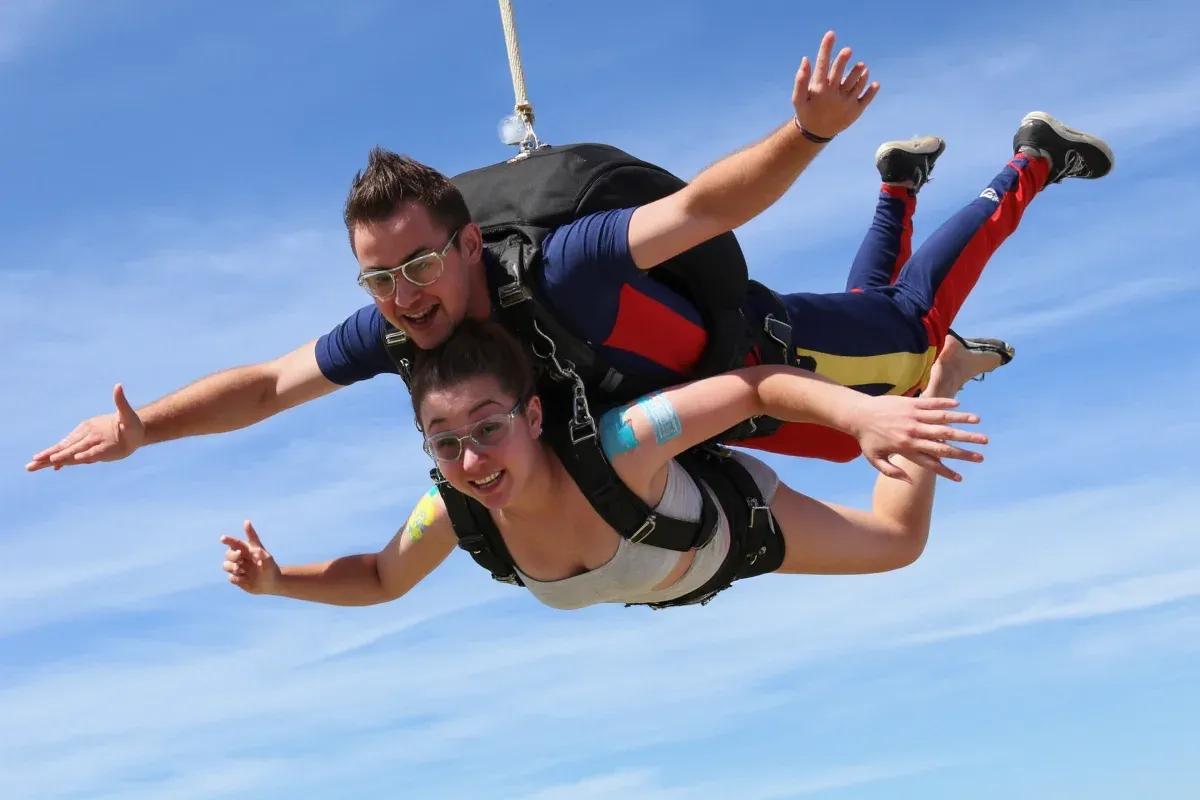
How Much Does It Cost to Skydive Solo?
On average, the cost to skydive solo ranges from $200 to $300 for a first-time tandem jump, while solo certification through an Accelerated Freefall (AFF) program typically costs between $1,500 and $2,500, covering training, jumps, and equipment rental.
Understanding Solo Skydiving Costs
Skydiving solo involves more than just jumping out of a plane—it requires proper training, equipment, and certification. While many people start with a tandem jump (attached to an instructor), true solo skydiving means completing the jump independently after formal training. The total investment varies based on location, training method, and whether you pursue full certification.
Types of Solo Skydiving Experiences
- Introductory Tandem Jump: Not technically solo, but often the first step; includes brief training and a jump harnessed to an instructor.
- Accelerated Freefall (AFF) Program: The standard path to solo certification, starting with ground school and progressing through seven levels of supervised solo jumps.
- Static Line Jumps: An older method where the parachute deploys automatically via a line attached to the aircraft; less common today but still offered in some locations.
What's Included in the Cost?
The price of solo skydiving isn't just about the thrill—it covers multiple components essential for safety and skill development.
Breakdown of Key Expenses
- Ground Training: Covers aerodynamics, body positioning, emergency procedures, and parachute handling.
- Jumps with Supervision: Each AFF level includes two instructors guiding you during freefall.
- Aircraft Fees: Fuel, pilot time, and maintenance costs passed on to jumpers.
- Equipment Rental: Altimeter, jumpsuit, helmet, and gear if you don’t own your own.
- Licensing Fees: USPA (United States Parachute Association) membership and certification fees.
| Service | Price Range (USD) | Location Example | Notes |
|---|---|---|---|
| Tandem Skydive (First Jump) | $199 – $349 | Florida, California, Arizona | Includes training & video options |
| Accelerated Freefall (AFF) Level 1 | $295 – $450 | Texas, Oregon, Colorado | Ground training + 1 supervised solo jump |
| Full AFF Course (7 Levels) | $1,500 – $2,500 | Nationwide average | May include gear rental & coaching |
| USPA Membership & License Fee | $100 – $165 | Online / Dropzone | Required for certification |
| Additional Solo Jump (after license) | $25 – $40 | Most U.S. dropzones | Re-jump fee with own gear |
The data shows that initial entry into skydiving is accessible at under $350 for a tandem experience, but achieving solo status requires a significant commitment—over $2,000 on average. AFF programs represent the bulk of costs due to intensive instruction and safety protocols. Once certified, ongoing jump costs drop dramatically, making repeat skydiving affordable for enthusiasts.
Factors That Influence Skydiving Prices
Several variables affect how much you’ll pay for a solo skydiving experience.
Geographic Location
Demand, operational overhead, and local regulations impact pricing. Skydiving in tourist-heavy areas like Florida or California may be slightly higher than rural zones.
Dropzone Reputation and Safety Record
Well-established dropzones with modern equipment and experienced instructors often charge more—but offer greater safety and support, especially critical for beginners.
Inclusions and Add-Ons
- Video and Photo Packages: $100–$200 extra for professional footage.
- Weather Delays: Some centers allow rescheduling without penalty; others charge cancellation fees.
- Group Discounts: Many offer reduced rates for groups of 4+.
Frequently Asked Questions About Solo Skydiving Costs
How much does it cost to go skydiving for the first time?
A first-time tandem skydive typically costs between $199 and $349, including basic training, equipment, and the jump itself. No prior experience is required, and most people complete this jump in a single day.
Is solo skydiving more expensive than tandem jumping?
Yes, solo skydiving is significantly more expensive because it requires comprehensive training, multiple jumps, and certification. While a tandem jump starts around $200, becoming certified to skydive solo usually costs $1,500 to $2,500 through an AFF program.
What’s included in the AFF skydiving course price?
The AFF course includes 6–8 hours of ground school, seven progressively challenging solo jumps, two instructors for the first jump, equipment rental, aircraft access, and USPA affiliation. Some schools also include video feedback or re-rides if weather interrupts the schedule.
Can I finance my skydiving certification?
Yes, many skydiving schools partner with financing platforms like Affirm or offer in-house payment plans. You can often pay in installments, especially for full AFF packages, making the cost more manageable over several months.
How much does it cost to skydive after getting certified?
After earning your USPA license, individual jumps cost $25 to $40 per ride, assuming you own your gear. This covers only the aircraft load (“jump seat”). Gear ownership eliminates rental fees, reducing long-term costs significantly.
More Articles
 When Do Training Camps Start? Key Dates by Sport
 How Dangerous Is Skydiving? Real Risk & Safety Stats
 Best Warm-Up Exercises Before Sports: Dynamic Stretching Routines for Athletes
 Tips for Choosing the Right Tennis Grip Size
 Post-Workout Stretching Routines: 12 Essential Stretches for Recovery and Flexibility
 Science for Cleaning Products: What Works
 Sports Data FAQ: Privacy and Accuracy
 Who Invented the Skateboard? The True Origin Story
 How Much Does Snowboarding Cost? (2025 Prices)
 Where to Buy a Ski Mask: Top 2025 Retailers & Picks