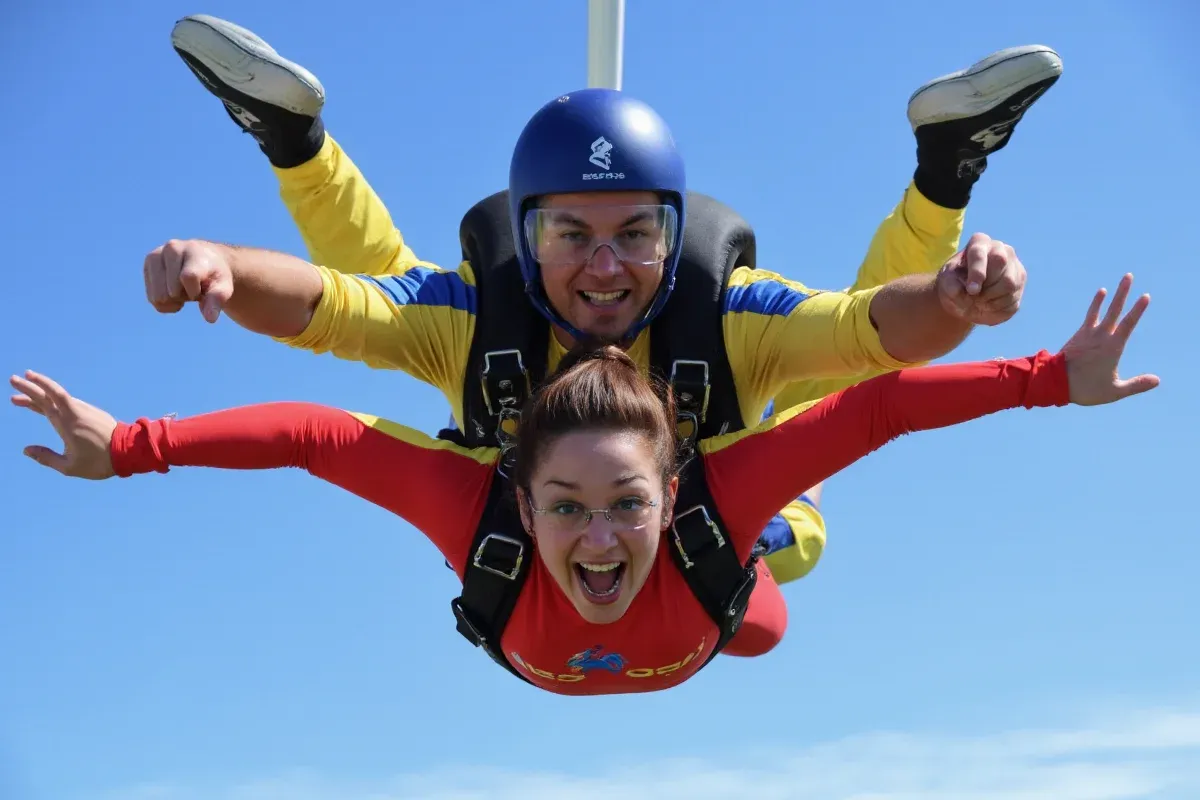
How Long Does a Skydive Last? Full Breakdown
Skydiving typically lasts around 5 to 7 minutes from jump to landing, with the freefall portion lasting approximately 45 to 60 seconds and the parachute glide taking 5 to 7 minutes. The entire experience, including the ascent in the aircraft (about 10–15 minutes), totals roughly 20–30 minutes.
What Happens During a Skydive?
A full skydiving experience consists of several stages: aircraft ascent, freefall, parachute deployment, and landing. Each phase contributes to the overall duration and sensation of the jump.
Aircraft Ascent
Before the jump, you'll board a small aircraft that climbs to the jump altitude. This ascent usually takes 10 to 15 minutes, depending on the drop zone and aircraft type. During this time, you can enjoy scenic views and mentally prepare for the jump.
Freefall Duration
The most intense part of skydiving is the freefall, where you plummet toward the earth at terminal velocity—roughly 120 mph (193 km/h). Most recreational jumps occur from 10,000 to 15,000 feet, resulting in a freefall lasting 45 to 60 seconds.
- From 10,000 feet: ~30–45 seconds freefall
- From 13,500 feet: ~60 seconds freefall
- From 15,000 feet: ~70–75 seconds freefall
Parachute Glide and Landing
After freefall, the parachute is deployed at around 5,000 feet. The canopy ride lasts 5 to 7 minutes, allowing for a peaceful descent with panoramic views. A trained instructor guides the landing if it's a tandem jump.
Factors That Influence Skydiving Duration
Several variables affect how long your skydive feels and actually lasts:
- Jump altitude: Higher altitudes mean longer freefall times.
- Type of jump: Tandem vs. solo vs. accelerated freefall (AFF) training.
- Weather conditions: Wind and visibility can alter flight paths and jump altitudes.
- Aircraft climb rate: Slower planes increase ascent time.
- Drop zone procedures: Some locations have air traffic constraints affecting timing.
| Jump Altitude (feet) | Freefall Time (seconds) | Aircraft Ascent Time (min) | Parachute Descent Time (min) | Total Experience Time (min) |
|---|---|---|---|---|
| 10,000 | 30–45 | 10 | 5 | 15–20 |
| 13,500 | 60 | 14 | 6 | 22–25 |
| 15,000 | 70–75 | 18 | 7 | 25–30 |
| 18,000 | 90+ | 25 | 8 | 35–40 |
The table shows a clear correlation between jump altitude and freefall duration. Jumps from 13,500 feet are the industry standard for tandem skydiving, offering a balanced mix of thrill and safety. Higher-altitude jumps (e.g., 18,000 feet) require oxygen and specialized training but deliver extended freefall experiences.
Skydiving Experience by Type
Different types of skydives offer varying durations and intensities:
Tandem Skydiving
Most first-time jumpers choose tandem skydiving, where they're harnessed to an instructor. These jumps usually occur from 13,500 feet, providing about 60 seconds of freefall. Total experience time: 20–25 minutes.
Accelerated Freefall (AFF)
For those pursuing solo certification, AFF students jump from 10,000–15,000 feet with instructors guiding them mid-air. Freefall times range from 30 to 75 seconds depending on level and altitude.
High-Altitude Jumps (HALO)
Military or advanced civilian jumps from 18,000+ feet can last over 90 seconds in freefall. These require oxygen masks and special clearance due to thin air and cold temperatures.
Frequently Asked Questions About Skydiving Duration
How long do you fall when skydiving?
On average, skydivers fall for 45 to 60 seconds during freefall, depending on jump altitude. From the standard 13,500 feet, freefall lasts about one minute before the parachute opens.
How long does the whole skydiving process take?
The entire skydiving experience—including check-in, gear-up, ascent, jump, and landing—typically takes 2 to 3 hours. The actual jump from exit to landing lasts 5 to 7 minutes, preceded by a 10–15 minute ascent.
Does skydiving feel like falling?
No, skydiving doesn't feel like falling. It feels more like floating or flying due to aerodynamic lift and wind resistance. Many describe it as a sensation of weightlessness combined with intense exhilaration.
Can you breathe during skydiving freefall?
Yes, you can breathe during freefall. While the rush of air may make it feel difficult at first, breathing normally is possible and essential. Instructors advise against screaming immediately upon exit to avoid inhaling air.
Is skydiving worth the cost considering how short it is?
Despite the brief freefall, most participants find skydiving extremely worthwhile. The intensity, emotional impact, and lifelong memory often outweigh the short duration. Many call it "the best minute of their life."
More Articles
 Basketball Crossover Drills: 5 Moves to Break Down Any Defender
 How Much Are Fishing Licenses in Washington?
 How Many Base Camps on Everest? Two Main Camps Explained
 Where Was Soul Surfer Filmed? Key Locations Revealed
 How Many Calories Does 30 Mins Cycling Burn?
 Hockey Stick Taping: Blade and Knob Methods
 Soccer Passing Drills for Accuracy: 8 Exercises to Improve Your Distribution
 Agility Training Drills: Speed Ladder, Cone Work, and Reaction Exercises
 12 Fun Sports Alternatives to Try
 Where Are the Biggest Surfing Waves in the World?