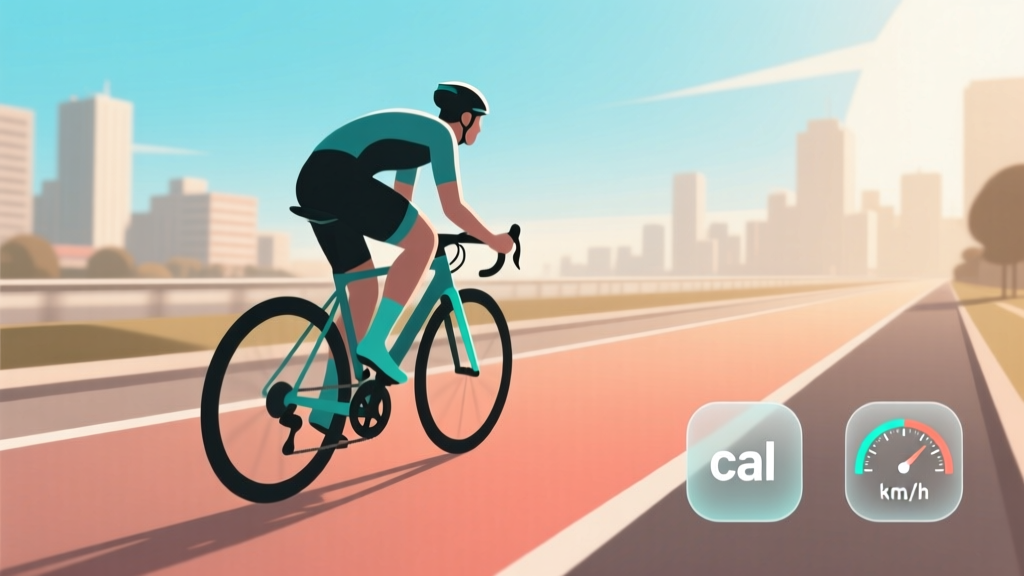
How Many Calories Will I Burn Cycling? (By Weight & Speed)
Cycling can burn between 400 to 1000 calories per hour, depending on body weight, intensity, terrain, and cycling speed. A 155-pound person cycling at a moderate pace (12–14 mph) burns approximately 596 calories per hour, while vigorous cycling (16–19 mph) can exceed 870 calories.
How Cycling Intensity Affects Calorie Burn
The number of calories burned while cycling largely depends on how hard you're working. The harder the effort, the more energy your body uses, increasing calorie expenditure.
Key Factors Influencing Intensity
- Speed: Faster cycling requires more energy.
- Resistance: Riding uphill or against wind increases effort.
- Heart Rate: Higher heart rates correlate with greater calorie burn.
- Duration: Longer rides accumulate more total calories burned.
Calories Burned Based on Body Weight and Speed
Your body weight plays a crucial role in calorie calculation—larger individuals burn more calories due to increased energy demand for movement.
| Riding Speed (mph) | Metabolic Equivalent (MET) | 125 lbs (57 kg) | 155 lbs (70 kg) | 185 lbs (84 kg) |
|---|---|---|---|---|
| 5.5 (leisurely) | 4.0 | 214 | 268 | 320 |
| 10 (gentle pace) | 6.0 | 320 | 400 | 480 |
| 12–14 (moderate) | 8.0 | 427 | 533 | 640 |
| 16–19 (vigorous) | 10.0 | 533 | 667 | 800 |
| 20+ (racing) | 12.0 | 640 | 800 | 960 |
The table shows a clear trend: as cycling intensity increases, so does calorie burn across all body weights. For example, a 155-pound person doubles their hourly calorie burn when moving from a leisurely 5.5 mph ride to racing at over 20 mph. Heavier riders consistently burn more calories due to greater metabolic load.
Types of Cycling and Their Calorie Impact
Different cycling disciplines vary widely in energy demand. Choosing the right type can help you meet fitness or weight loss goals efficiently.
- Commuting (8–10 mph): Burns 300–400 calories/hour, ideal for daily activity.
- Recreational Road Cycling (12–14 mph): Burns 500–600 calories/hour.
- Mountain Biking: Off-road terrain increases resistance, burning 500–800 calories/hour.
- Indoor Cycling / Spinning: High-intensity interval formats can burn 600–1000 calories/hour.
- Racing or Interval Training: Maximal efforts spike calorie burn, especially post-exercise due to EPOC (excess post-exercise oxygen consumption).
Maximizing Calorie Burn While Cycling
To get the most out of your ride, consider these proven strategies:
Incorporate Interval Training
Alternating between high-intensity sprints and recovery periods increases total energy expenditure and boosts metabolism after exercise.
Ride Hills or Increase Resistance
Greater resistance forces muscles to work harder, significantly increasing calorie use—even at slower speeds.
Extend Ride Duration
Longer rides at moderate intensity effectively burn fat and improve endurance. A 2-hour ride at 14 mph can burn over 1,000 calories for a 155-pound rider.
Bike Indoors with Purpose
Use structured workouts on stationary bikes or apps like Zwift to maintain consistent intensity and track progress accurately.
Frequently Asked Questions About Calories Burned Cycling
How many calories do you burn cycling for 30 minutes?
A 155-pound person burns approximately 268 calories in 30 minutes of moderate cycling (12–14 mph). At higher intensities (16–19 mph), this can increase to 400+ calories in the same time frame.
Does cycling burn more calories than running?
Running typically burns more calories per minute due to higher impact and full-body engagement. However, cycling allows longer durations with less joint stress, making total session burn comparable or even higher in long rides.
Can cycling help lose belly fat?
Yes, cycling contributes to overall fat loss, including belly fat, when combined with a healthy diet. As an aerobic exercise, it helps create the calorie deficit needed for fat reduction.
Is indoor cycling as effective as outdoor cycling for burning calories?
Indoor cycling can be equally or more effective if intensity is maintained. Group classes and smart trainers often push riders harder, leading to similar or higher calorie expenditure compared to outdoor rides.
How accurate are fitness trackers for measuring calories burned cycling?
Most fitness trackers estimate calorie burn using heart rate, speed, and user inputs. While useful for trends, they can overestimate by 10–20%. For best accuracy, calibrate with known metrics like power output (watts) from a cycling computer or smart trainer.
More Articles
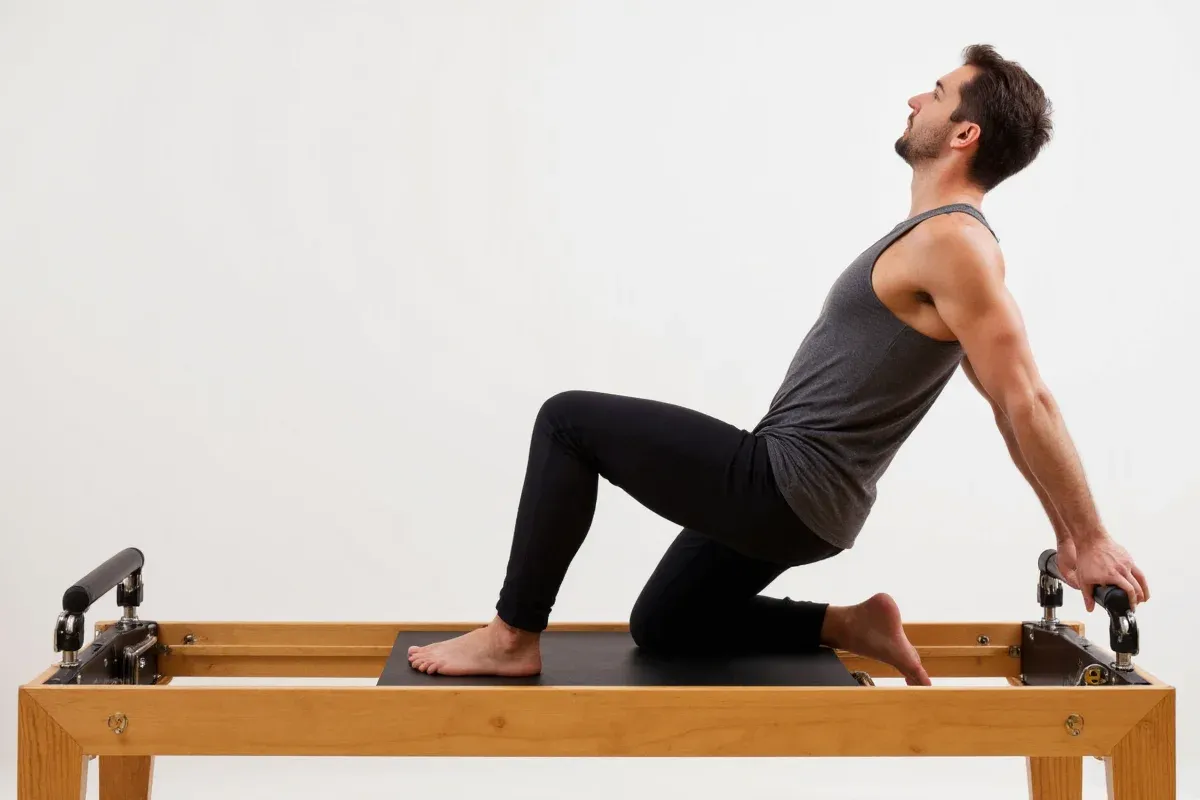 Can Men Do Pilates? Yes – Here's Why It's Beneficial
 Who Invented Snowboarding? The True Origin Story
 Sports Brands vs Athletic Performance
 How to Prevent Running Shoe Blisters
 How Many Feet Per Mile Is Steep Hiking?
 Who Made Yoga Pants? The True Origin Story
 How Much Does a Pilates Instructor Get Paid? (2025 Data)
 Best Hiking Boots: Top Stores & Online Retailers (2026)
 How To Organize Golf: A Practical, Field-Tested System for Clubs, Tournaments, and Daily Play
 How Dangerous Is Skydiving? Real Risk & Safety Stats