How Many Calories Does Snow Skiing Burn? (By Weight & Type)
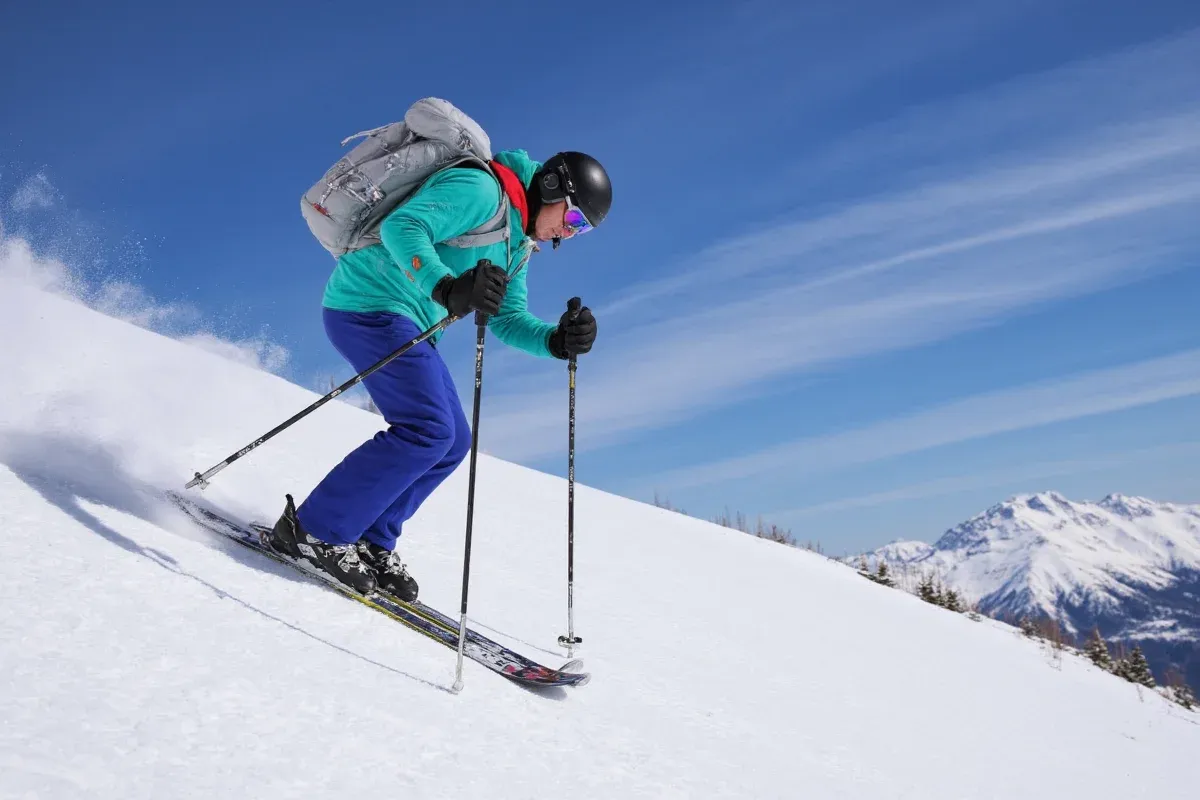
Snow skiing typically burns between 300 to 600 calories per hour for an average adult, depending on body weight, intensity, skill level, and terrain. Vigorous downhill skiing can push calorie expenditure even higher.
How Snow Skiing Burns Calories
Skiing is a full-body cardiovascular activity that engages major muscle groups including the legs, core, and stabilizing muscles. The constant motion of balancing, turning, and controlling speed on variable terrain increases energy demand significantly compared to steady-state exercises.
Key Factors Influencing Calorie Burn
- Body Weight: Heavier individuals burn more calories due to increased exertion.
- Intensity: Aggressive carving or off-piste skiing burns more than leisurely groomed runs.
- Skill Level: Beginners often expend more energy due to inefficient movements and frequent stops.
- Duration and Elevation: Longer sessions and higher altitudes increase metabolic output.
- Type of Skiing: Backcountry and mogul skiing burn more calories than resort cruising.
Calories Burned During Different Skiing Activities
The following table outlines estimated calorie expenditure based on body weight and skiing style over a one-hour period.
| Skiing Activity | 130 lbs (59 kg) | 155 lbs (70 kg) | 180 lbs (82 kg) | 205 lbs (93 kg) |
|---|---|---|---|---|
| Downhill Skiing (Moderate) | 360 | 430 | 500 | 570 |
| Downhill Skiing (Vigorous) | 480 | 570 | 660 | 750 |
| Mogul Skiing | 540 | 640 | 740 | 850 |
| Backcountry Skiing | 600 | 720 | 840 | 960 |
| Ski Touring (with ascent) | 720 | 860 | 1000 | 1140 |
Data shows that backcountry and ski touring activities result in the highest caloric expenditure due to uphill climbing and uneven terrain. Even at moderate intensity, downhill skiing remains a highly effective calorie-burning workout. Individuals weighing over 200 lbs can burn more than 1,000 calories per hour during intense skiing sessions.
Maximizing Calorie Burn While Skiing
To get the most out of your time on the slopes, consider these strategies:
- Choose challenging terrain: Moguls, glades, and steep runs require greater effort.
- Increase session duration: Full-day skiing multiplies total calorie expenditure.
- Reduce lift line downtime: Use warm-up exercises while waiting.
- Improve technique: Efficient form allows longer, more intense runs without fatigue.
- Add interval training: Alternate between high-speed runs and recovery laps.
Comparing Skiing to Other Winter Activities
Skiing ranks among the top winter sports for calorie burn. Here's how it compares:
- Snowboarding: ~300–500 calories/hour (slightly lower due to less leg engagement).
- Ice Skating: ~400–600 calories/hour (varies with speed and style).
- Shoveling Snow: ~400–600 calories/hour (highly dependent on depth and duration).
- Cross-Country Skiing: ~600–900+ calories/hour (one of the highest calorie-burning sports).
While cross-country skiing burns more calories overall, downhill skiing offers a more accessible high-intensity workout for recreational athletes.
Frequently Asked Questions About How Many Calories Snow Skiing Burns
Does skiing burn more calories than running?
It depends on intensity and body weight. Running at 6 mph burns about 600–800 calories per hour for a 155-lb person. Moderate downhill skiing burns around 430 calories, but vigorous skiing or backcountry variants can match or exceed running’s calorie burn, especially on long, steep descents.
Is skiing good for weight loss?
Yes, skiing is excellent for weight loss when combined with proper nutrition. A full day of skiing (6–8 hours) can burn 2,500 to 4,000+ calories. It also builds lower-body strength and endurance, supporting long-term fitness goals.
Do beginners burn more calories skiing than experts?
Often yes. Beginners use more energy due to poor balance, frequent falls, and inefficient movements. However, experts maintain higher speeds and tackle steeper terrain, leading to sustained cardiovascular effort and potentially greater total burn over time.
How many calories does a 180-pound person burn in a day of skiing?
A 180-pound skier doing moderate downhill runs for 6 hours can burn approximately 3,000 calories (500/hour). With more intense or backcountry skiing, this could rise to 5,000+ calories in a full day on the mountain.
Can you lose belly fat by skiing?
Skiing contributes to fat loss by creating a calorie deficit and engaging core muscles. While spot reduction isn’t possible, regular skiing helps reduce overall body fat, including abdominal fat, especially when paired with a healthy diet and consistent exercise routine.
More Articles
 What Events Are in a Triathlon? Full Breakdown
 What Does Ski In, Ski Out Mean? Explained
 Where Is the Surfing Olympics 2024? Location and Schedule
 Where to Stay in Zermatt for Skiing: Best Areas & Hotels
 Best College Guides: Resources That Actually Help
 How Often Should You Do Pilates? Optimal Weekly Frequency
 How Old Is Shaun White the Snowboarder? Age & Career Facts
 What Does Apres Ski Mean? Definition & Culture Explained
 Best Warm-Up Exercises Before Sports: Dynamic Stretching Routines for Athletes
 Who Invented Pilates? The True Origin Story