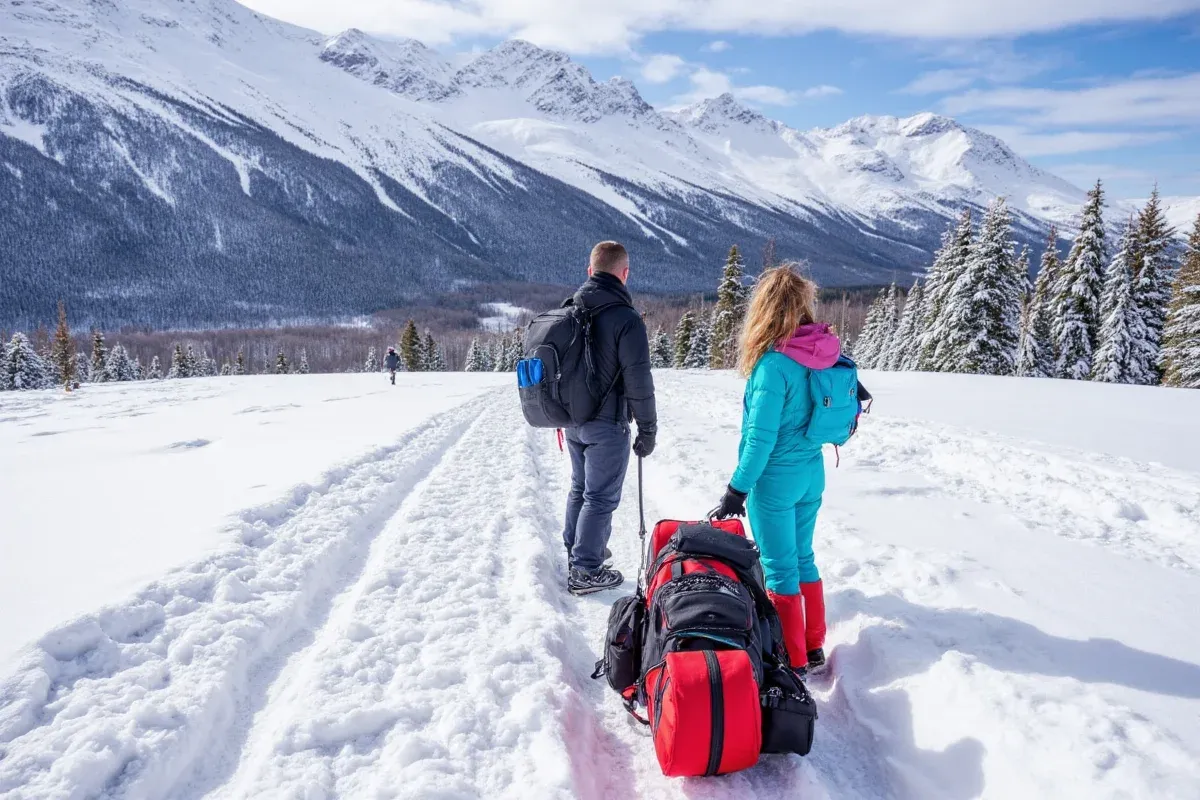
What to Pack for a Ski Trip: Essential Checklist 2025
When planning a ski trip, essential items include insulated layers, waterproof outerwear, ski gear (skis, boots, poles), gloves, goggles, helmet, sunscreen, and personal essentials like medications. Packing smart ensures comfort, safety, and performance on the slopes.
What to Pack for a Ski Trip: A Complete Guide
Packing correctly for a ski trip can make the difference between an enjoyable mountain experience and a cold, uncomfortable ordeal. Whether you're a first-time skier or a seasoned pro, this guide breaks down everything you need—from clothing and gear to accessories and travel essentials—so you arrive fully prepared.
Clothing: Layering is Key
Proper layering keeps you warm, dry, and adaptable to changing weather and activity levels. Follow the three-layer system:
- Base layer: Moisture-wicking materials like merino wool or synthetic fabrics keep sweat away from your skin.
- Mid layer: Provides insulation; fleece or down jackets work well.
- Outer layer: Waterproof and breathable jacket and pants to protect against snow and wind.
Essential Clothing Checklist
- Thermal underwear (2–3 sets)
- Ski socks (3–4 pairs, avoid cotton)
- Insulated ski pants
- Waterproof ski jacket
- Fleece or down mid-layers
- Neck gaiter or balaclava
- Beanie or thermal hat
- Winter gloves and liners
Ski Equipment: Rent or Bring Your Own?
Most travelers choose to rent ski equipment at their destination, but advanced skiers often prefer their own gear.
| Item | Rent Cost (Avg per Day) | Buy Cost (Entry-Level) | Recommended For |
|---|---|---|---|
| Ski Boots | $15 | $200 | All skill levels |
| Skis + Poles | $25 | $400 | Beginners to intermediates |
| Snowboard | $22 | $350 | Boarders only |
| Helmets | $10 | $80 | All skiers |
| Goggles | $8 | $60 | All mountain users |
The table shows renting is cost-effective for occasional trips, especially for beginners. However, frequent skiers benefit from owning properly fitted gear, which enhances performance and comfort.
Accessories & Protection
Don’t underestimate the importance of small accessories—they play a big role in safety and comfort.
- Sunglasses: Useful on sunny days when not skiing.
- Ski Goggles: Protect eyes from wind, snow, and UV rays; anti-fog coating is essential.
- Sunscreen SPF 30+: High-altitude UV exposure increases sunburn risk.
- Lip balm with SPF: Prevents chapping in cold, dry air.
- Hand warmers: Disposable or reusable options add extra warmth on frigid days.
Travel & Personal Essentials
Remember non-ski items that are easy to forget but crucial for convenience and health.
- Medications and basic first aid kit
- Portable phone charger
- Travel-sized toiletries
- Reusable water bottle
- Snacks for energy on the go
- Proof of ID and travel insurance
Frequently Asked Questions About Ski Trip Packing
Can I pack ski boots in my carry-on luggage?
No, ski boots are too large and heavy for standard carry-ons. They should be packed in checked luggage. Use a boot bag to protect them and keep them clean during transit.
Should I bring multiple base layers?
Yes, bring 2–3 moisture-wicking base layers. Changing daily helps maintain hygiene and warmth, especially since sweating in damp layers leads to discomfort and chill.
Is it worth bringing my own skis?
If you ski more than 5–7 days per year, owning skis is cost-effective and ensures a perfect fit. Frequent travelers may prefer renting to avoid baggage fees and damage risks.
Do I need special bags for ski gear?
While not mandatory, a dedicated ski duffel or travel bag protects your equipment, organizes accessories, and often qualifies as standard checked luggage. Hard-shell cases offer maximum protection.
How do I prevent foggy goggles?
Choose goggles with double lenses and anti-fog coating. Avoid touching the inner lens, store them in a ventilated case, and let them acclimate before use to reduce condensation.
More Articles
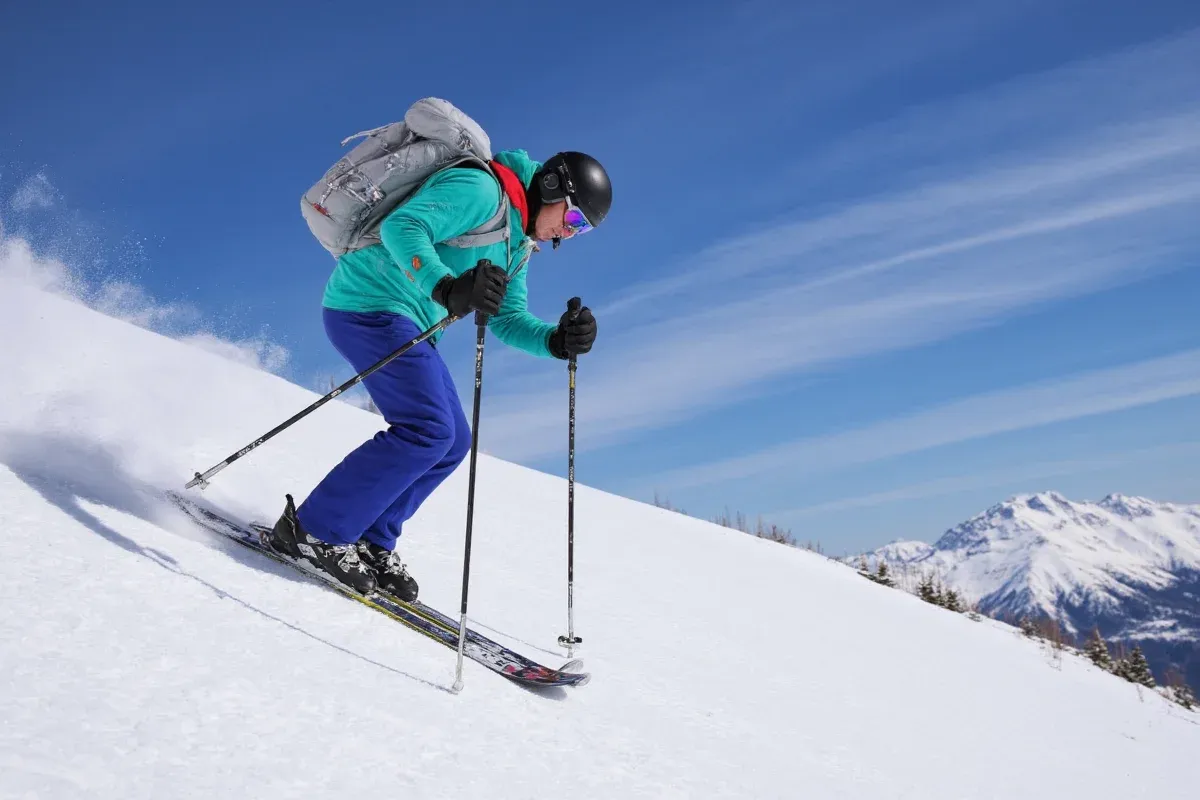 What Does Apres Ski Mean? Definition & Culture Explained
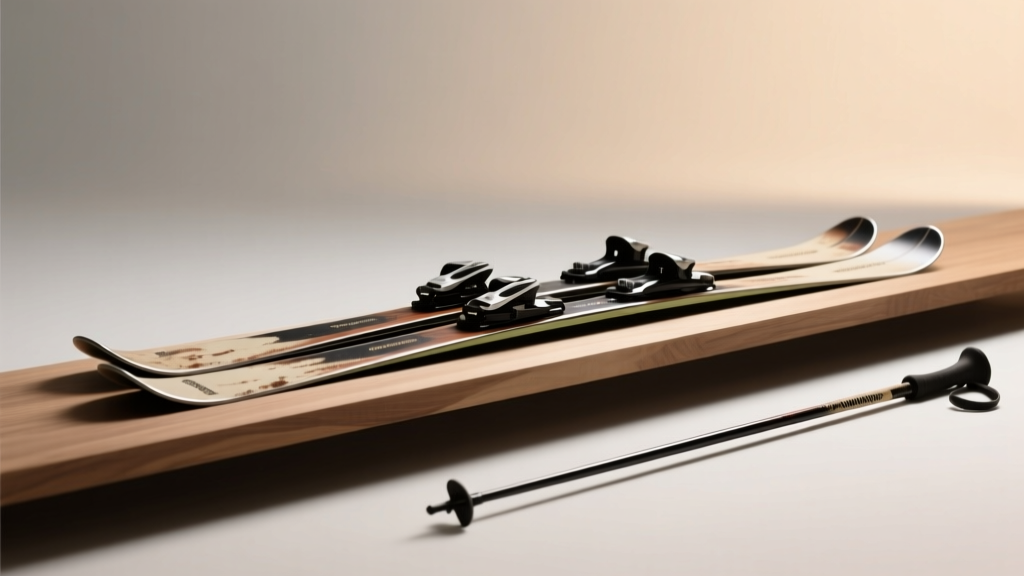 Where to Buy Used Skis: Top Trusted Sources
 Bike Saddle Height: The 109% Rule
 Sports Essentials: Building a Functional Kit
 When Were Skateboards Invented? History & Evolution
 Who Made Skateboards? The Inventors and Evolution
 What Does Ski In, Ski Out Mean? Explained
 How Much Do Ski Instructors Make? (2025 Data)
 Post-Workout Stretching Routines: 12 Essential Stretches for Recovery and Flexibility
 Stop Swim Goggles From Fogging: 5 Fixes