
How Many Calories Do You Burn Lifting Weights?
Lifting weights typically burns between 200 to 400 calories per hour, depending on body weight, intensity, and muscle mass engaged. This range makes strength training a moderately effective calorie-burning activity that also boosts metabolism long after the workout ends.
Understanding Calorie Burn in Weight Lifting
Weight lifting is often associated with building muscle and improving strength, but it also plays a significant role in energy expenditure. Unlike steady-state cardio, resistance training burns calories not only during the session but also through excess post-exercise oxygen consumption (EPOC), commonly known as the 'afterburn effect.'
Factors That Influence Calorie Burn
- Body weight: Heavier individuals burn more calories due to increased effort.
- Exercise intensity: Higher loads and shorter rest periods increase energy use.
- Muscle mass involved: Compound movements (e.g., squats, deadlifts) burn more than isolation exercises.
- Training experience: Beginners may burn fewer calories efficiently than trained lifters due to neuromuscular efficiency.
- Duratio nand frequency: Longer sessions and higher volume lead to greater total expenditure.
Calories Burned During Weight Lifting: Detailed Breakdown
The number of calories burned while lifting weights varies significantly based on effort level and individual physiology. Below is a detailed table showing estimated calorie expenditure for different body weights and workout intensities over a 30-minute session.
| Body Weight | Light Effort (cal/30 min) | Moderate Effort (cal/30 min) | Vigorous Effort (cal/30 min) |
|---|---|---|---|
| 125 lbs (57 kg) | 90 | 135 | 180 |
| 155 lbs (70 kg) | 112 | 167 | 223 |
| 185 lbs (84 kg) | 133 | 200 | 267 |
| 215 lbs (98 kg) | 156 | 233 | 311 |
Data shows a clear linear relationship between body weight and calories burned: heavier individuals expend more energy across all effort levels. Vigorous lifting can nearly double calorie burn compared to light workouts, emphasizing the importance of intensity in maximizing metabolic output.
The Afterburn Effect: EPOC and Long-Term Calorie Burn
One of the most underappreciated benefits of weight lifting is excess post-exercise oxygen consumption (EPOC). After intense resistance training, your body continues burning calories at an elevated rate to restore oxygen levels, repair muscle tissue, and return to homeostasis.
Key Aspects of EPOC
- EPOC can last from 14 to 72 hours post-workout, depending on intensity.
- High-intensity, compound-based routines produce the greatest EPOC response.
- Even at rest, increased muscle mass raises basal metabolic rate (BMR), leading to more calories burned daily.
Maximizing Calorie Burn During Strength Training
To get the most out of your lifting sessions in terms of energy expenditure, consider these evidence-based strategies:
Effective Techniques for Higher Calorie Output
- Use compound exercises: Squats, deadlifts, bench presses, and overhead presses engage multiple muscle groups.
- Reduce rest intervals: Circuit training or supersets with 30–60 seconds rest boost heart rate and calorie burn.
- Incorporate tempo variations: Slow eccentrics (lowering phase) increase time under tension and metabolic demand.
- Progressive overload: Gradually increasing weight or volume ensures continued adaptation and energy use.
- Combine with cardio elements: Adding jump rope or sled pushes between sets enhances calorie expenditure.
Frequently Asked Questions About Calories Burned Lifting Weights
How many calories does 30 minutes of weight lifting burn?
A 155-pound person can burn approximately 112 to 223 calories in 30 minutes of weight lifting, depending on effort level. Light lifting burns around 112 calories, while vigorous training can burn up to 223 calories in the same timeframe.
Does lifting heavy weights burn more calories?
Yes, lifting heavy weights increases both immediate calorie burn and post-exercise oxygen consumption (EPOC). Heavy loads require greater neural and muscular effort, leading to higher energy expenditure during and after the workout.
Is weight lifting good for fat loss?
Absolutely. While it may burn fewer calories than running or cycling during the session, weight lifting preserves lean muscle mass, which is crucial for maintaining a high metabolic rate during weight loss. It also promotes fat oxidation over time.
Do you continue to burn calories after lifting weights?
Yes, due to EPOC, your body continues burning calories after a weightlifting session—sometimes for up to 72 hours. The harder the workout, the longer and more pronounced this effect.
Can lifting weights help you lose belly fat?
Lifting weights contributes to overall fat loss, including visceral belly fat. While spot reduction isn’t possible, resistance training reduces total body fat percentage and improves insulin sensitivity, both of which help reduce abdominal fat accumulation.
More Articles
 How Much Do Ski Instructors Make? (2025 Data)
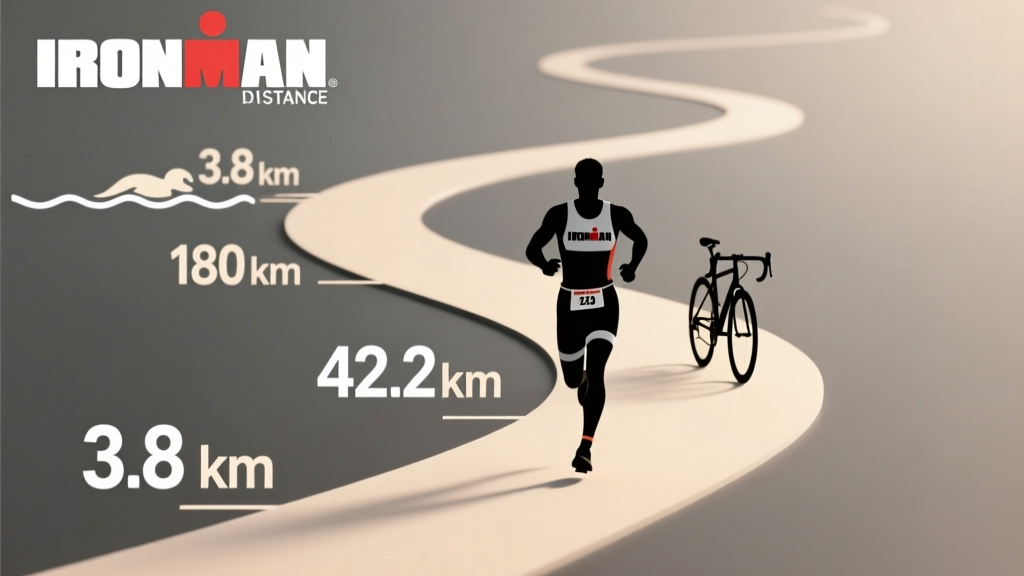 How Far Is an Ironman Triathlon? Full Distance Explained
 Running Shoes: Cushion vs Speed Trade-Offs
 Time Tips Essentials: Actionable, Evidence-Based Strategies That Save 12–18 Hours Weekly
 What Size Ski Boot Do I Need? Find Your Perfect Fit
 How Many Calories Do You Burn in Hot Yoga?
 Who Founded Yoga? Origins & Key Figures
 How Often Should You Do Yoga for Best Results?
 Where Was Skiing Invented? Origins & History
 Soccer Free Kick Techniques: How to Bend, Dip, and Power Your Shots