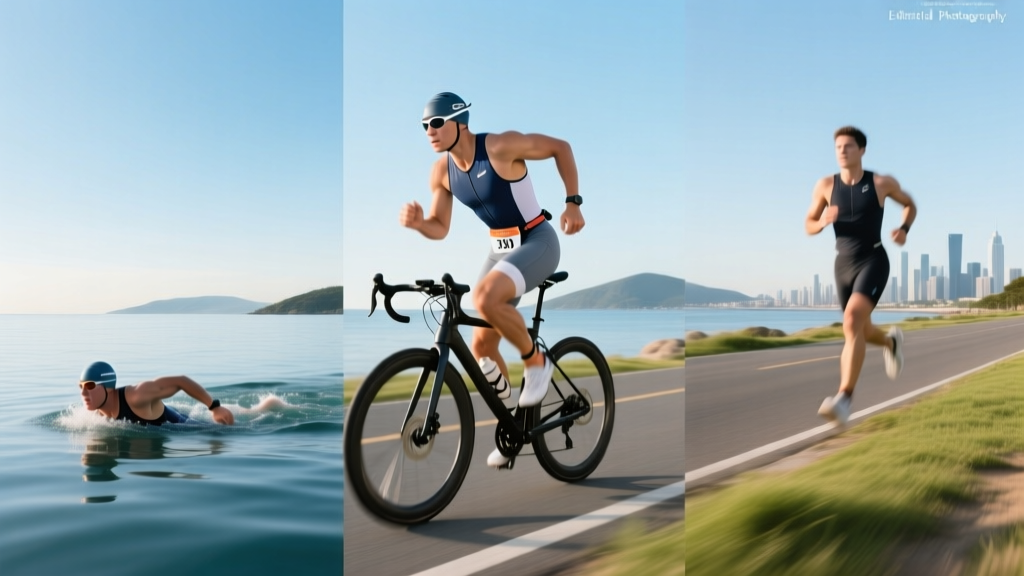
How Long Does a Triathlon Take? Times by Distance & Level
A triathlon's duration varies widely based on distance, athlete experience, and conditions—ranging from 1 hour for a super-sprint to over 17 hours for an Ironman. Elite athletes complete Olympic events in around 2 hours, while age-groupers typically take 2.5–3.5 hours.
Understanding Triathlon Distances and Their Typical Durations
Triathlons come in multiple standardized distances, each with unique time expectations. The total completion time depends on swim, bike, and run segments, plus transitions (T1 and T2). Below are the most common formats:
- Sprint Triathlon: 750m swim, 20km bike, 5km run – ~1–1.5 hours
- Olympic Triathlon: 1.5km swim, 40km bike, 10km run – ~2–3 hours
- Half-Ironman (70.3): 1.9km swim, 90km bike, 21.1km run – ~4–6 hours
- Ironman (Full Distance): 3.8km swim, 180km bike, 42.2km run – ~10–17 hours
Factors Influencing Completion Time
Several variables affect how long it takes to finish a triathlon:
- Athlete fitness level: Beginners take significantly longer than trained athletes.
- Course terrain: Hilly bike/run courses increase time.
- Water conditions: Rough open water swimming slows swimmers.
- Transitions: Efficient T1/T2 can save 3–8 minutes.
- Weather: Heat, wind, or rain impact all three disciplines.
Elite vs. Age-Group Athlete Performance Comparison
Professional triathletes maintain faster paces across all segments. However, age-group participants make up the majority of race fields. The table below compares average segment times by category.
| Race Segment | Elite (Men) | Age-Group (Men 30-45) | Age-Group (Women 30-45) |
|---|---|---|---|
| Swim (1.5km) | 18:00 | 28:00 | 32:00 |
| Bike (40km) | 54:00 | 1:10:00 | 1:18:00 |
| Run (10km) | 32:00 | 42:00 | 48:00 |
| Transitions (T1+T2) | 2:00 | 6:00 | 6:00 |
| Total Time | 2:46:00 | 3:06:00 | 3:24:00 |
The data shows elite athletes complete the Olympic-distance triathlon nearly 20 minutes faster than average male age-groupers and 38 minutes faster than female peers. The largest time gaps occur in cycling and running, where aerobic efficiency and power-to-weight ratios play critical roles. Swimming differences are smaller but still significant.
Training Volume and Its Impact on Race Duration
Athletes who train consistently reduce their race times over time. Weekly training volume correlates strongly with performance:
- Beginners (5–8 hrs/week): Can complete a sprint in 1.5 hours, Olympic in 3.5+ hours.
- Intermediate (10–12 hrs/week): Achieve sub-3-hour Olympic times.
- Advanced (15+ hrs/week): Target sub-2:30 Olympic finishes, competitive 70.3 times.
Periodized training plans focusing on endurance, threshold work, and brick sessions (back-to-back disciplines) yield the greatest time improvements.
World Record and Notable Triathlon Times
Top professionals continue to push boundaries. Here are current world-best performances:
- Olympic Distance: 1:46:23 (Kristian Blummenfelt, Tokyo 2020 Olympics)
- Ironman 70.3: 3:27:47 (Timothy Reed, 2023)
- Ironman (140.6 miles): 7:21:28 (Jan Frodeno, Kona 2019)
These times include transitions and reflect optimal pacing, drafting legality (in non-drafting races), and superior nutrition strategies.
Frequently Asked Questions About Triathlon Duration
How long does a beginner take to finish a triathlon?
A first-time athlete typically completes a sprint triathlon in 1.5 hours and an Olympic distance in 3 to 3.5 hours, depending on fitness and preparation.
What is the slowest acceptable triathlon time?
Courses have cutoff times; for example, Ironman allows 17 hours. Most sprint races allow 2–3 hours, so even slower times are accepted if within limits.
Do relay triathlons take less time?
Relay teams often finish faster due to specialized athletes and minimal transition time, though official results may not be comparable to individual finishes.
How fast do people swim in a triathlon?
Average swim pace is 2:00–2:30 per 100m for age-groupers. Elites swim closer to 1:30/100m in open water under race conditions.
Can you walk during the run portion?
Yes, walking is allowed and common, especially in longer races like Ironman. Many athletes use run-walk strategies to manage fatigue and hydration.
More Articles
 Best Nobull Shoes for CrossFit Women
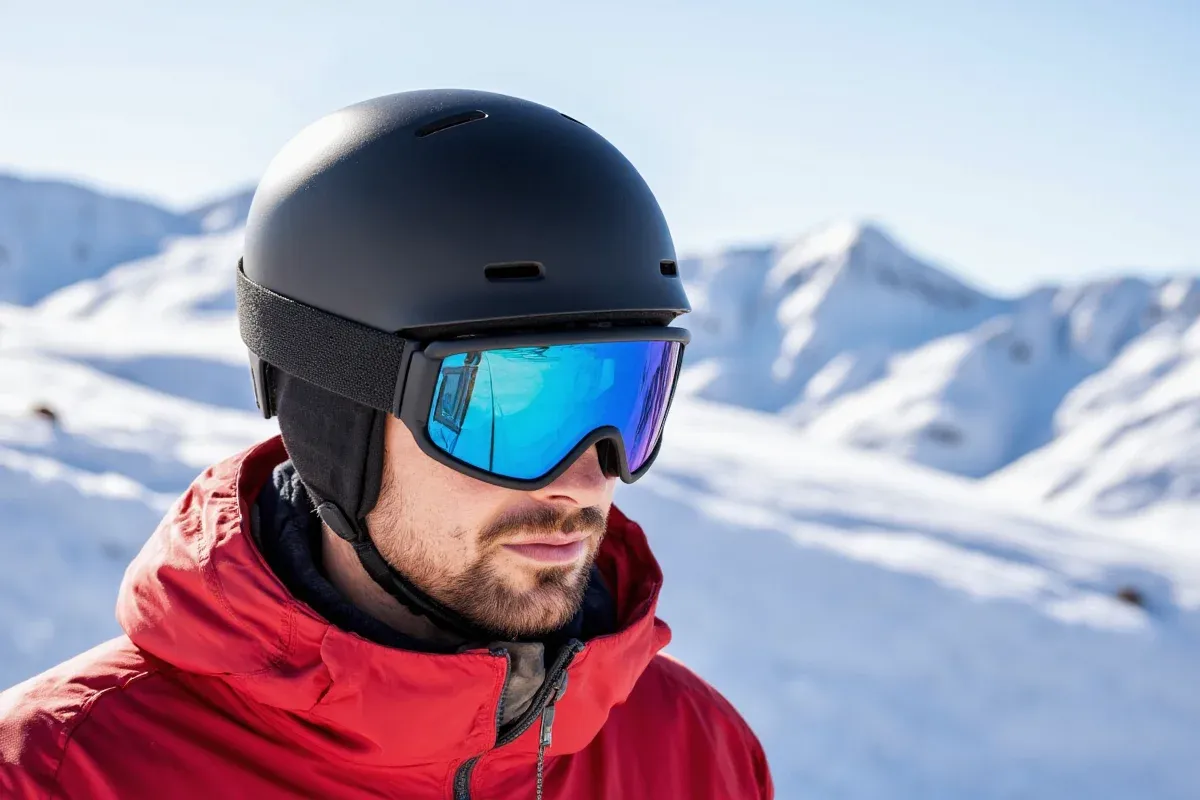 Top Smart Ski Goggles in 2025: Best Models Reviewed
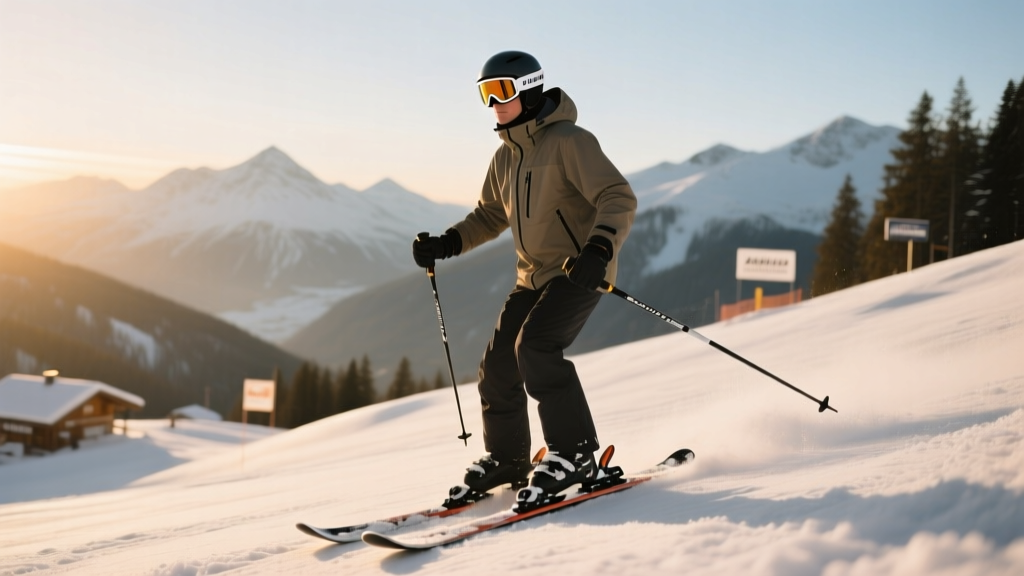 How Much Do Ski Instructors Make? (2025 Data)
 Badminton Footwork Drills: 6 Exercises for Lightning-Fast Court Coverage
 Football for Beginners: Step-by-Step Guide
 Full vs Size Mattress: Dimensions Explained
 How Many Calories Do I Burn in Pilates? (By Type & Weight)
 Start Buying Guide: Practical First Steps for Smart, Confident Purchases
 How To Match Invented With Jump: A Practical Guide for Product Developers and Brand Strategists
 How Often Should I Do Yoga? Optimal Weekly Frequency