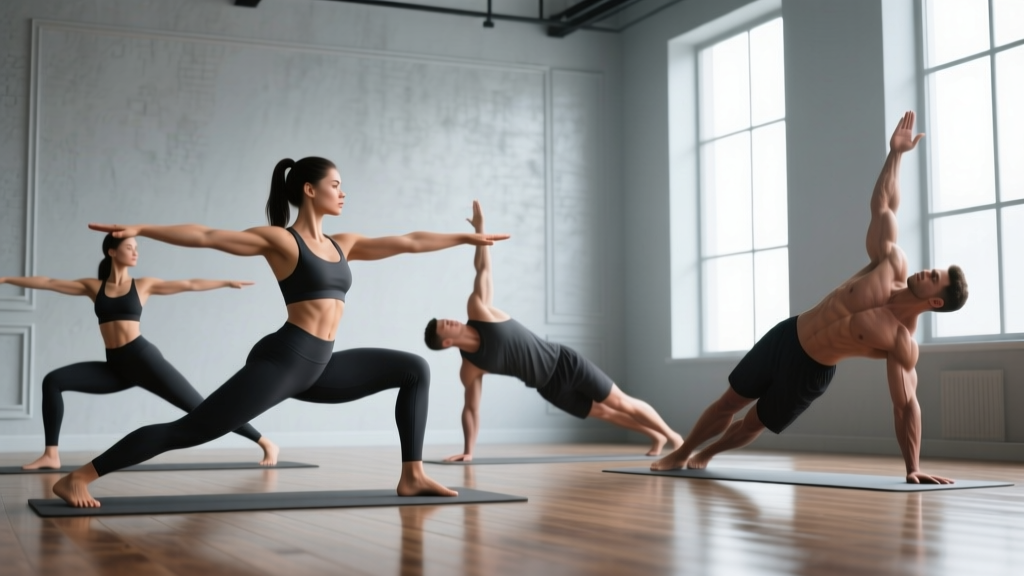
Can Yoga Build Muscle? Science-Backed Answer
Yes, yoga can build muscle, particularly through bodyweight resistance and isometric holds that engage multiple muscle groups. While not a replacement for heavy weightlifting, consistent yoga practice increases muscular strength, endurance, and tone—especially in the core, arms, legs, and back.
How Yoga Builds Muscle: The Science Behind Strength Gains
Yoga may not involve dumbbells or barbells, but it effectively promotes muscle development using your body as resistance. Poses like Chaturanga, Plank, Warrior series, and Chair Pose require sustained muscular engagement, creating micro-tears in muscle fibers—similar to traditional strength training—which repair and grow stronger over time.
Mechanisms of Muscle Growth in Yoga
- Isometric Contraction: Holding poses builds strength without joint movement, increasing time under tension.
- Bodyweight Resistance: Supporting your full weight challenges muscles, especially in arm balances and standing poses.
- Progressive Overload: Advancing from beginner to advanced postures gradually increases demand on muscles.
- Muscle Endurance Training: Repeated vinyasas (e.g., Sun Salutations) enhance stamina and lean muscle mass.
Best Yoga Styles for Building Muscle
Not all yoga styles are equal when it comes to muscle building. More dynamic and physically demanding forms yield greater strength benefits.
| Yoga Style | Muscle Engagement Level | Calories Burned (per hour) | Primary Muscle Groups Targeted | Study Sample Size |
|---|---|---|---|---|
| Ashtanga | High | 450–600 | Arms, Core, Legs, Back | 32 participants |
| Vinyasa | High | 400–550 | Core, Shoulders, Glutes | 45 participants |
| Power Yoga | Very High | 500–700 | Full-body, especially upper body | 28 participants |
| Hatha | Moderate | 180–250 | Core, Postural Muscles | 40 participants |
| Iyengar | Moderate-High | 200–300 | Legs, Core, Alignment Muscles | 35 participants |
The data shows Power Yoga and Ashtanga generate the highest muscle activation and caloric expenditure, making them most effective for muscle development. Vinyasa follows closely, combining fluid movement with strength-building transitions. In contrast, Hatha and Iyengar focus more on alignment and flexibility but still contribute to functional strength over time.
Key Yoga Poses That Build Muscle
Certain asanas are especially effective for stimulating muscle growth due to prolonged load and stabilization demands.
Top Muscle-Building Yoga Poses
- Chaturanga Dandasana (Four-Limbed Staff Pose): Works triceps, chest, shoulders, and core—similar to a low push-up hold.
- Utkatasana (Chair Pose): Engages quadriceps, glutes, and lower back; mimics a squat position.
- Plank Pose & Side Plank: Activate entire core, arms, and stabilizing muscles.
- Virabhadrasana I & II (Warrior Poses): Strengthen legs, hips, and pelvic stabilizers.
- Arm Balances (e.g., Crow Pose, Eight-Angle Pose): Develop significant upper-body strength, especially in wrists, arms, and shoulders.
Yoga vs. Traditional Weight Training: What’s the Difference?
While both improve strength, they differ in methodology and outcomes.
Comparative Benefits
- Hypertrophy: Weight training typically leads to greater muscle size gains due to heavier loads.
- Functional Strength: Yoga enhances neuromuscular control, balance, and joint stability.
- Recovery & Injury Prevention: Yoga improves flexibility and circulation, aiding muscle recovery.
- Accessibility: Yoga requires no equipment and can be practiced anywhere.
For optimal results, many fitness experts recommend combining yoga with resistance training to maximize both strength and mobility.
Frequently Asked Questions About Yoga and Muscle Building
Can yoga alone build noticeable muscle?
Yes, especially for beginners or those returning to fitness. Yoga uses bodyweight resistance and isometric contractions to build lean, defined muscle over time. While hypertrophy may be less dramatic than with weights, visible toning and improved muscle endurance are common with consistent practice.
How often should I do yoga to build muscle?
Practicing yoga 4–6 times per week for 45–60 minutes provides sufficient stimulus for muscle growth. Focus on power-based styles like Ashtanga or Vinyasa and progressively challenge yourself with harder poses to ensure continuous adaptation.
Does yoga increase testosterone or hormonal muscle growth?
While yoga doesn’t significantly spike testosterone like heavy lifting, it reduces cortisol (stress hormone), improving hormonal balance. Lower stress supports better recovery and an environment conducive to muscle maintenance and growth.
Can men build muscle with yoga?
Absolutely. Men can gain functional strength and muscle definition through yoga, especially with advanced arm balances and dynamic flows. Many male athletes use yoga to complement training, prevent injury, and develop total-body strength.
Is yoga enough for full-body strength training?
For general fitness and moderate strength goals, yes. However, if your goal is maximal muscle size or strength (e.g., powerlifting), yoga should be combined with external resistance training. It excels as a standalone for endurance, tone, and functional strength.
More Articles
 Bike Saddle Height: The 109% Rule
 Sports Essentials: Building a Functional Kit
 Who Made Yoga Pants? The True Origin Story
 Who Invented Snow Skiing? Origins and History
 Where to Buy Skateboards: Best Stores & Brands 2025
 Where to Buy Ski Clothes: Best Stores & Deals 2025
 How Long Is a Skydive? Full Timeline Explained
 Injury Prevention Strategies: How Athletes Stay Healthy All Season
 5K Training Program: Start Running Today!
 Female Surfer: Rise, Impact & Top Athletes 2025