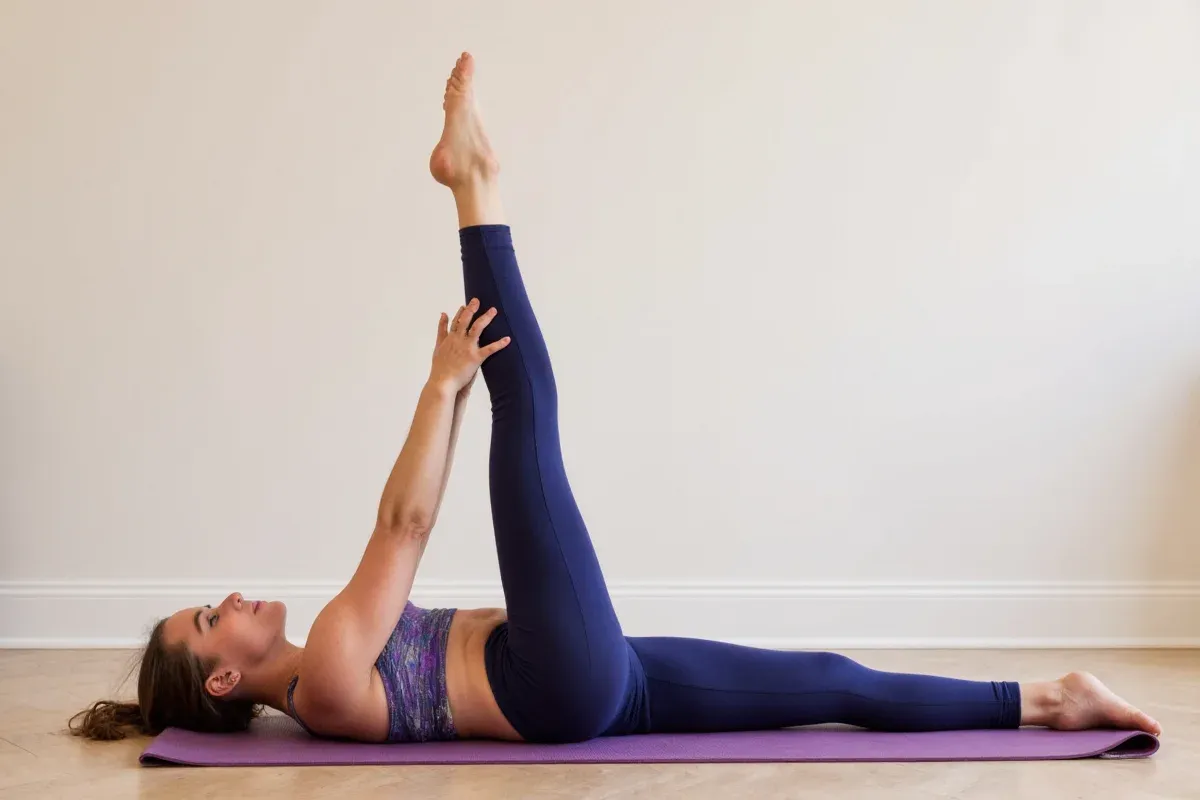
How Often Should You Do Pilates? Optimal Weekly Frequency
How often should you do Pilates? For most adults, practicing Pilates 2–3 times per week delivers optimal results in strength, flexibility, and posture, with visible improvements typically seen within 6–8 weeks.
Understanding the Benefits of Regular Pilates Practice
Pilates is a low-impact exercise method that focuses on core strength, alignment, balance, and mindful movement. Consistent practice leads to improved muscular endurance, joint health, and body awareness. Whether your goal is rehabilitation, athletic performance, or general wellness, frequency plays a key role in achieving results.
Key Benefits of Weekly Pilates Sessions
- Enhanced core stability and posture
- Increased flexibility and range of motion
- Better balance and coordination
- Reduced lower back pain and injury risk
- Improved mental focus and stress management
Recommended Pilates Frequency by Goal
The ideal frequency depends on individual fitness levels, experience, and objectives. Beginners may start slowly, while advanced practitioners can integrate Pilates more frequently due to its low-impact nature.
| Fitness Level | Goal | Recommended Frequency (per week) | Expected Results Timeline |
|---|---|---|---|
| Beginner | General Fitness | 2 sessions | 6–8 weeks |
| Intermediate | Core Strength & Posture | 3 sessions | 4–6 weeks |
| Advanced | Athletic Performance | 4–5 sessions | 3–5 weeks |
| All Levels | Rehabilitation | 3–4 sessions (guided) | 6–10 weeks |
| Active Adults | Flexibility & Stress Relief | 2–3 sessions | 4–8 weeks |
The data shows that intermediate and advanced practitioners benefit from higher weekly frequency, with faster results in strength and mobility. Rehabilitation programs require consistent, professional guidance but yield significant functional improvements over time.
Factors That Influence Your Ideal Pilates Schedule
Several personal factors determine how often you should practice Pilates for maximum benefit.
Experience Level
Beginners should allow recovery time between sessions to build neuromuscular connections. Two well-spaced sessions per week help prevent fatigue while promoting adaptation.
Fitness Goals
Those aiming for weight loss should combine Pilates with cardiovascular training, while individuals targeting posture correction may prioritize daily short sessions focusing on alignment.
Schedule and Recovery
Pilates is safe to perform daily, especially mat-based routines. However, balancing intensity with rest ensures sustainable progress. Mixing private instruction with group classes can optimize learning and consistency.
Common Questions About Pilates Frequency
Can I do Pilates every day?
Yes, Pilates can be practiced daily because it's low-impact and emphasizes control over exertion. Many instructors recommend alternating between beginner, intermediate, and restorative routines to avoid overtraining specific muscle groups.
How long does it take to see results from Pilates?
Most people notice improved posture, core engagement, and flexibility within 6–8 weeks of practicing 2–3 times per week. More intensive programs may show results in as little as 3–4 weeks.
Is 2 times a week enough for Pilates?
Yes, two weekly sessions are sufficient for general fitness and noticeable improvement, especially when combined with home stretching or mindfulness exercises. This frequency balances effort and recovery effectively.
Should I do Pilates on rest days from the gym?
Absolutely. Pilates complements strength and cardio training by enhancing mobility, activating stabilizing muscles, and promoting recovery. It's an excellent active recovery option on non-lifting days.
What happens if I skip Pilates for a week?
Taking one week off won't erase gains, especially if you've been consistent. In fact, planned breaks can aid muscle recovery and mental refreshment. Resume at your previous level without increasing intensity immediately.
More Articles
 Tennis Doubles Strategy: Positioning, Communication, and Shot Selection
 Can Lifting Weights Help You Lose Weight? Yes, Here's How
 How Much Is Club Pilates Per Month? (2025 Rates)
 How Long Is a Triathlon in Miles?
 When Was Snowboarding Created? The True Origin Story
 Who Invented the Bicycle? The True Origins
 How Fast Do You Fall When Skydiving? Speed Explained
 How Many Calories Do I Burn in Pilates? (By Type & Weight)
 Where to Go Skiing: Top Global Destinations for 2025
 How Many Miles Is a Triathlon? Full Breakdown