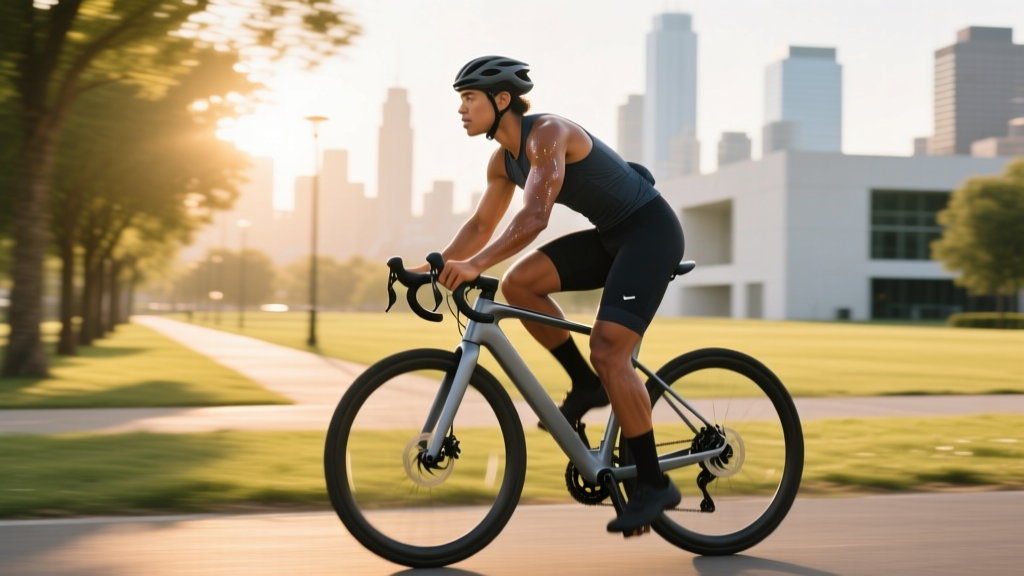
Will Cycling Help Reduce Belly Fat? Science-Backed Answer
Cycling is an effective way to reduce belly fat because it burns calories, improves cardiovascular health, and boosts metabolism—especially when combined with a balanced diet and consistent training.
How Cycling Helps Burn Belly Fat
Cycling is a powerful aerobic exercise that targets overall body fat, including stubborn abdominal fat. While spot reduction isn't possible, regular cycling increases calorie expenditure, helping create the energy deficit needed for fat loss.
Key Mechanisms Behind Fat Loss
- Calorie burn: Cycling at moderate to high intensity can burn 400–1000 kcal per hour depending on effort and body weight.
- Hormonal regulation: Endurance exercise like cycling lowers insulin levels and increases fat-burning hormones such as epinephrine.
- Improved metabolic rate: Regular rides boost resting metabolic rate over time, especially with interval training.
- Visceral fat reduction: Studies show aerobic exercise effectively reduces deep abdominal fat linked to health risks.
Types of Cycling for Maximum Fat Loss
Different cycling styles offer varied benefits for burning fat and improving fitness. Choosing the right type helps maintain motivation and optimize results.
Outdoor Road Cycling
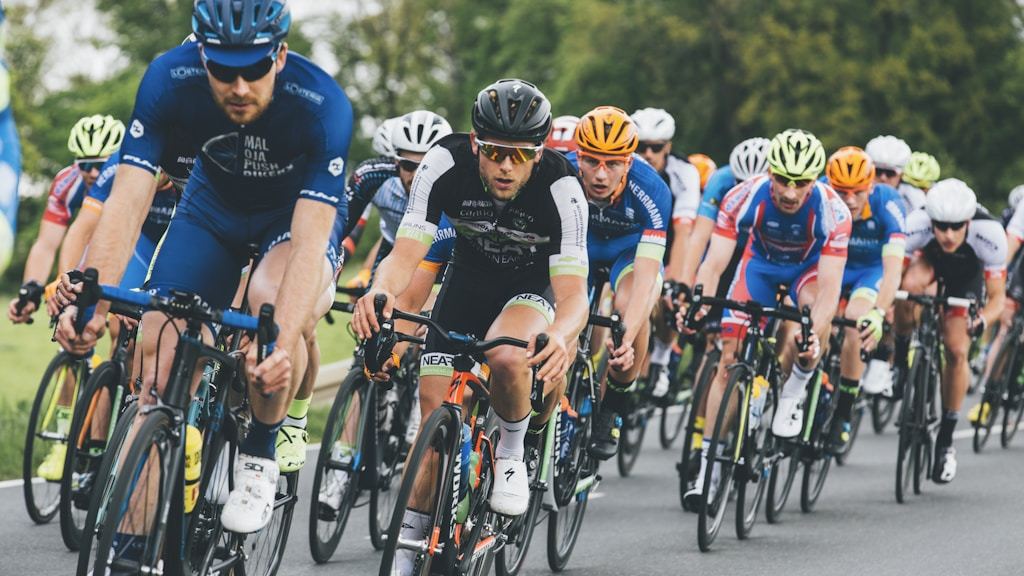
Riding outdoors engages more muscle groups due to terrain variation and wind resistance. Long-distance rides enhance endurance and sustained fat oxidation.
Indoor Spinning or Stationary Cycling
Controlled environment allows precise intensity management. Ideal for structured workouts like HIIT (High-Intensity Interval Training), proven to accelerate fat loss.
Commuter Cycling
Daily bike commuting adds consistent low-to-moderate activity, contributing to cumulative calorie burn without requiring extra time.
Optimal Cycling Routine to Target Belly Fat
To maximize fat loss, combine frequency, duration, and intensity strategically. A well-structured weekly plan enhances both aerobic capacity and fat utilization.
| Workout Type | Duration | Frequency/Week | Avg. Calories Burned* | Fat Burn Zone (Heart Rate) |
|---|---|---|---|---|
| Steady-State Ride | 60 min | 3 | 500 | 60–70% max HR |
| HIIT Session | 30 min | 2 | 450 | 80–90% max HR |
| Long Slow Distance | 90+ min | 1 | 700 | 60–70% max HR |
| Sprint Intervals | 20 min | 1–2 | 300 | 85–95% max HR |
| Active Commuting | 30–60 min | 5–7 | 250–500 | 50–65% max HR |
The data shows that higher-intensity sessions like HIIT burn fewer total calories per session but trigger excess post-exercise oxygen consumption (EPOC), leading to continued fat burning after the workout. Steady-state and long rides contribute significantly to daily energy deficit, making them essential for sustainable belly fat reduction.
Nutrition and Lifestyle Synergy
Cycling alone won’t eliminate belly fat without proper nutrition. Diet accounts for approximately 70% of weight loss success.
Essential Dietary Tips
- Maintain a moderate calorie deficit (300–500 kcal/day).
- Prioritize protein intake to preserve lean muscle during fat loss.
- Limit added sugars and refined carbs, which promote visceral fat storage.
- Eat fiber-rich vegetables, whole grains, and healthy fats for satiety and hormone balance.
- Stay hydrated and manage stress—chronic cortisol elevation increases abdominal fat accumulation.
Measuring Progress Beyond the Scale
Weight alone doesn’t reflect fat loss. Use multiple metrics to track improvements in belly fat reduction.
- Waist circumference: Measure at the navel weekly; aim for gradual decrease.
- Body composition: Use DEXA scans or smart scales to monitor fat vs. muscle changes.
- Clothing fit: Notice how clothes feel around the midsection.
- Photos and journaling: Visual records reveal subtle progress missed by numbers.
Frequently Asked Questions About Cycling and Belly Fat
Will cycling every day help lose belly fat?
Yes, daily cycling can help lose belly fat if it contributes to a consistent calorie deficit. However, include rest or low-intensity days to prevent overtraining and support recovery.
How long does it take to see results from cycling for belly fat?
With consistent cycling (4–5 times per week) and proper diet, noticeable changes in belly fat can appear in 4–8 weeks. Individual results vary based on starting point, intensity, and adherence.
Is indoor cycling as effective as outdoor cycling for burning belly fat?
Yes, both are equally effective when matched for intensity and duration. Indoor cycling offers better control for high-intensity workouts, while outdoor cycling provides variable resistance and mental engagement.
Does slow cycling burn fat?
Slow cycling burns a higher percentage of fat as fuel, though total calorie burn is lower. It’s beneficial for beginners and active recovery, but should be combined with higher-intensity efforts for optimal fat loss.
Can cycling reduce love handles and lower belly fat?
Yes, cycling reduces overall body fat, including love handles and lower belly areas. These regions often store more fat and may be among the last to slim down, requiring patience and consistency.
More Articles
 Best Places to Go Snow Skiing in 2025
 How Often Should You Do Yoga? Science-Backed Guidelines
 Who Invented the Ski? Origins and History
 How to Improve Agility for Sports: 12 Training Drills for Speed and Quickness
 How Many Calories Does Hiking Burn? (By Weight & Terrain)
 When Does Ski Season End? By Region & Year
 What Happened at the CrossFit Games Today? 2025 Results
 Play Buying Guide: Smart, Safe, and Developmentally Sound Choices for Kids Ages 0–8
 How Much Does It Cost to Become a Pilates Instructor?
 Can Pilates Build Muscle? Science-Backed Answer