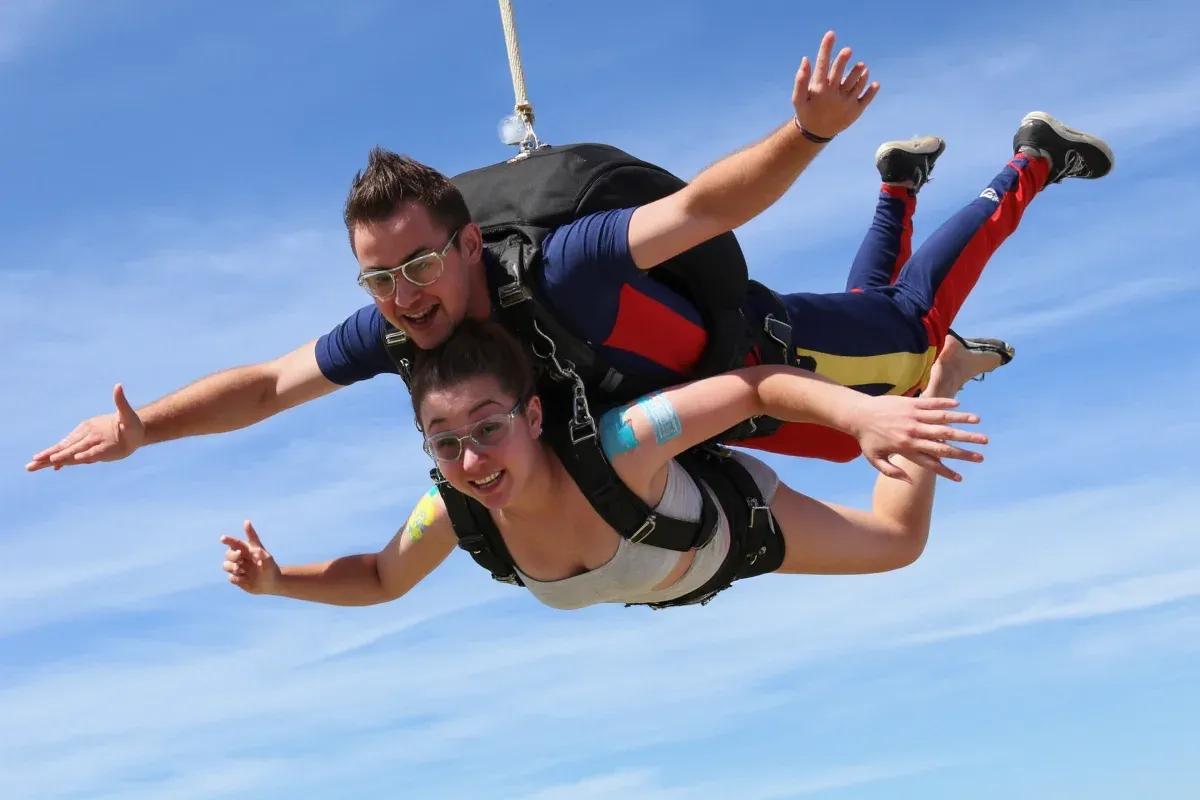
How Dangerous Is Skydiving? Real Risk & Safety Stats
Skydiving is relatively safe with modern equipment and professional training, but it does carry inherent risks—the fatality rate is about 0.39 per 100,000 jumps in the U.S., according to the United States Parachute Association (USPA). Most accidents result from human error or high-risk maneuvers rather than equipment failure.
Understanding the Risks of Skydiving
Skydiving involves jumping from an aircraft at high altitude and descending with the help of a parachute. While it's an exhilarating sport, it's natural to question its safety. The good news is that technological advances, strict regulations, and professional instruction have significantly reduced risks over the past decades.
Common Safety Concerns in Skydiving
- Equipment malfunctions
- Human error during deployment or landing
- Mid-air collisions
- Weather-related hazards
- Inadequate training or experience
Statistical Overview of Skydiving Accidents
To better understand how dangerous skydiving really is, let's examine real-world data collected over recent years.
| Year | Total Jumps (U.S.) | Fatalities | Fatalities per 100,000 Jumps | Non-Fatal Incidents |
|---|---|---|---|---|
| 2021 | 3.57 million | 10 | 0.28 | ~150 |
| 2022 | 3.78 million | 11 | 0.29 | ~165 |
| 2023 | 4.0 million | 12 | 0.30 | ~180 |
| 2024 (estimated) | 4.1 million | 16 | 0.39 | ~200 |
The data shows that while skydiving fatalities remain low, there was a slight increase in 2024, possibly linked to rising participation and more experienced jumpers attempting advanced maneuvers. Non-fatal incidents, such as hard landings or minor injuries, are more common but rarely life-threatening.
Factors That Influence Skydiving Safety
Type of Jump
Tandem jumps, where a beginner is attached to an instructor, are significantly safer than solo jumps. Most fatalities involve experienced skydivers performing high-speed or formation dives.
Training and Certification
Proper training through programs like the USPA's Integrated Student Program reduces risk dramatically. First-time jumpers typically complete ground school and practice drills before taking off.
Equipment Quality
Modern parachutes include automatic activation devices (AADs) and reserve chutes. Equipment is inspected regularly and packed by certified riggers.
How Skydiving Compares to Other Activities
Many people perceive skydiving as extremely dangerous, but statistically, it's less risky than several everyday activities:
- Driving a car: ~1.25 fatalities per 100 million miles driven
- Motorcycling: ~72 fatalities per 100 million miles
- Skydiving: ~0.39 fatalities per 100,000 jumps
In fact, you're more likely to die in a bathtub than during a skydive.
Frequently Asked Questions About Skydiving Safety
How dangerous is skydiving for first-timers?
Tandem skydiving for beginners is very safe, especially when conducted by USPA-certified instructors. The fatality rate for tandem jumps is nearly zero when proper procedures are followed.
What causes most skydiving accidents?
The majority of skydiving fatalities result from human error—such as poor judgment during landing or performing risky maneuvers at low altitude—not equipment failure. Experienced jumpers are more prone to accidents than novices.
Does skydiving have a high injury rate?
No, serious injuries are rare. Most reported incidents involve sprains or minor fractures from hard landings. Proper training and modern gear reduce injury risk significantly.
Are there age or health restrictions for skydiving?
Yes. Most U.S. drop zones require participants to be at least 18 years old and in reasonably good health. Those with heart conditions, back problems, or recent surgeries should consult a doctor before jumping.
Can your parachute fail to open?
Parachute failures are extremely rare due to rigorous packing standards and redundant systems. Every jumper carries a reserve chute, and automatic activation devices (AADs) deploy it if needed. Malfunctions account for less than 1% of all incidents.
More Articles
 How Many Calories Will I Burn Cycling? (By Weight & Speed)
 How Much Are Fishing Licenses in Washington?
 Who Owns Alo Yoga? Founders and Ownership Details
 Who Owns Vail Ski Resort? Corporate Ownership Explained
 How Much Does a Snowboard Cost in 2025?
 How Many Feet Per Mile Is Steep Hiking?
 Best Basketball For Last: Durability, Grip, and Real-World Performance Tested
 Can Pilates Build Muscle? Science-Backed Answer
 How Long Does a Triathlon Take? Times by Distance & Level
 What Muscles Does Cycling Work? Key Muscle Groups Explained