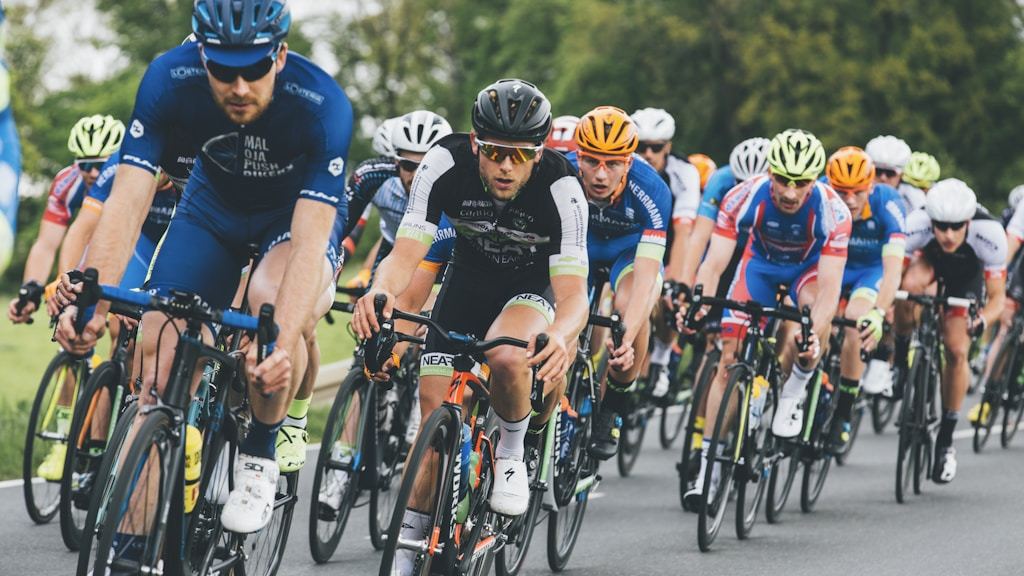
How High Is Skydiving? Typical Jump Altitudes Explained
Most skydiving jumps occur from altitudes between 10,000 and 15,000 feet, with 14,000 feet being the most common height for tandem skydives. At this elevation, jumpers enjoy approximately 60 seconds of freefall before deploying their parachutes around 5,000 feet, followed by a 5–7 minute descent under canopy.
Understanding Skydiving Altitude: How High Do You Jump?
Skydiving altitude varies depending on aircraft capabilities, regulations, and jump type. While recreational tandem jumps typically happen between 10,000 and 15,000 feet, experienced skydivers may jump from even higher altitudes, sometimes exceeding 18,000 feet, requiring supplemental oxygen due to thin air.
Common Skydiving Jump Heights
- 10,000 feet: Standard for first-time jumpers; about 30 seconds of freefall.
- 13,500 feet: Popular altitude offering longer freefall (45–50 seconds).
- 14,000 feet: Most common height for tandem skydives in the U.S.
- 15,000+ feet: Used for advanced jumps; requires oxygen above 14,000 feet in many regions.
- 18,000+ feet: Reserved for experienced jumpers and high-altitude training.
Factors That Determine Skydiving Height
Several factors influence how high a skydive can be, including aircraft performance, local airspace regulations, weather conditions, and jumper experience level.
Aircraft Type and Performance
Different planes have different maximum operating altitudes. Single-engine Cessnas commonly reach 13,500–14,000 feet, while turbine-powered aircraft like King Airs or helicopters can climb to 18,000 feet or higher.
Regulatory and Safety Guidelines
In the United States, the Federal Aviation Administration (FAA) regulates skydiving operations. Above 14,000 feet, oxygen must be used by pilots and jumpers if exposed for more than 30 minutes. Many drop zones follow guidelines set by the United States Parachute Association (USPA), which recommend parachute deployment no lower than 2,500 feet for safety.
Weather and Atmospheric Conditions
Wind speed, cloud cover, and temperature affect jump altitudes. Strong winds or low visibility may force operators to reduce jump height or cancel jumps altogether.
| Jump Height (feet) | Freefall Duration (seconds) | Deployment Altitude (feet) | Oxygen Required? | Typical Use Case |
|---|---|---|---|---|
| 10,000 | 30 | 5,000 | No | First-time tandem jumps |
| 13,500 | 45–50 | 5,000 | No | Standard recreational jump |
| 14,000 | 60 | 5,000 | No | Most common tandem jump |
| 15,000 | 70 | 5,500 | Yes (for prolonged exposure) | Advanced solo jumps |
| 18,000 | 90+ | 6,000 | Yes | High-altitude training |
The table illustrates how increasing jump altitude significantly extends freefall time. Jumps from 14,000 feet nearly double the freefall duration compared to 10,000-foot jumps. Above 14,000 feet, oxygen requirements become critical for safety, especially during extended climbs or multiple jumps in one day.
What Happens During a Typical Skydive?
A standard skydiving experience includes several phases: ascent, exit, freefall, parachute deployment, canopy flight, and landing.
Ascent and Briefing
The aircraft climbs to the designated jump altitude over 10–20 minutes. Instructors review hand signals and procedures during ascent.
Freefall Phase
Upon exit, jumpers accelerate to terminal velocity (—120 mph). The sensation is more like flying than falling. At 14,000 feet, this phase lasts about one minute.
Parachute Deployment and Descent
At roughly 5,000 feet, the parachute deploys. The canopy ride lasts 5–7 minutes, allowing for scenic views and controlled steering before a soft landing.
Frequently Asked Questions About Skydiving Height
How high do you skydive from in feet?
Most skydiving jumps occur between 10,000 and 14,000 feet, with 14,000 feet being the most common altitude for tandem skydives in the United States.
How long is freefall from 14,000 feet?
From 14,000 feet, freefall lasts approximately 60 seconds before the parachute is deployed around 5,000 feet.
Do you need oxygen for skydiving at 15,000 feet?
While not always required for short exposures, oxygen is recommended above 14,000 feet for pilots and jumpers during extended climbs or multiple high-altitude jumps per day.
What is the highest skydive ever recorded?
The highest recorded skydive was by Felix Baumgartner in 2012 from 128,100 feet (about 24 miles up) as part of the Red Bull Stratos mission, breaking the sound barrier during freefall.
Why don't all skydives go above 15,000 feet?
Jumps above 15,000 feet require oxygen, special aircraft, and additional training. Most recreational operations prioritize safety, cost-efficiency, and accessibility, making 10,000–14,000 feet the optimal range.
More Articles
 How Many Feet Per Mile Is Steep Hiking?
 How Long Is a Triathlon in Miles?
 How Many People Die Skydiving Each Year? (2025 Data)
 How Dangerous Is Skiing? Risk & Safety Facts
 Game Day Guide: Strategies and Tactics That Work
 Where Was Surfing Invented? The True Origin
 Where Can You Go Fishing? Top Spots & Tips for 2025
 Yoga for Athletes: Flexibility, Recovery, and Performance Enhancement Guide
 What Does Skydiving Feel Like? Real Sensations Explained
 Where Was Skateboarding Invented? | Origin & History