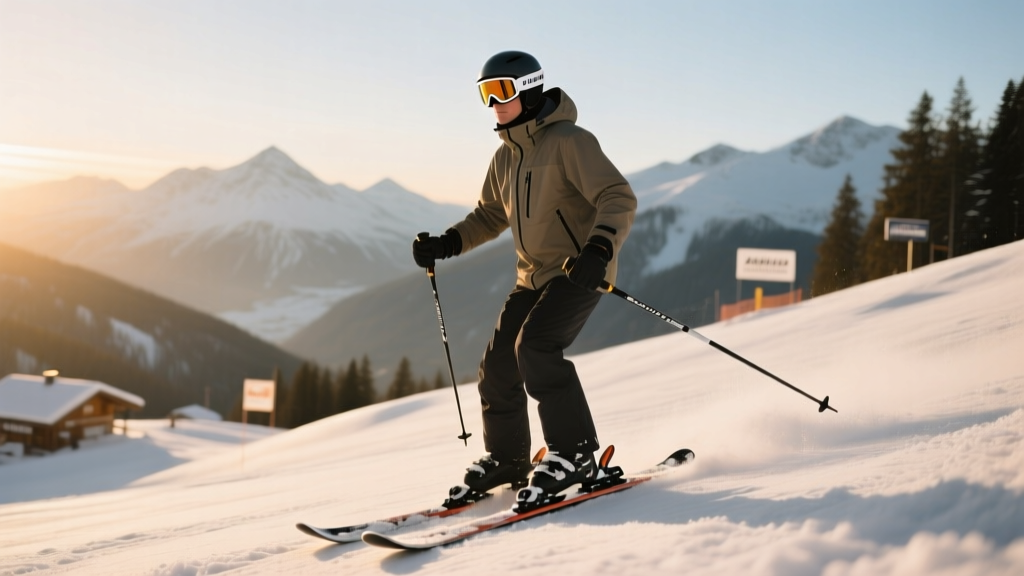
How Much Do Ski Instructors Make? (2025 Data)
Ski instructors in the United States earn an average hourly wage of $20 to $35, with annual salaries ranging from $25,000 to $60,000 depending on location, certification level, and experience. Top-tier instructors at premier resorts or those offering private lessons can make over $100 per hour during peak seasons.
Factors That Influence Ski Instructor Pay
A ski instructor's income is not fixed and varies widely based on several key factors. Understanding these variables helps both aspiring instructors and clients appreciate the range in earnings across the industry.
Certification Level
The level of certification significantly impacts earning potential. In the U.S., the American Association of Snowboard Instructors (AASI) and Professional Ski Instructors of America (PSIA) set the standards.
- Level I: Entry-level, qualified to teach beginners; lower pay rate
- Level II: Can teach intermediate skiers; moderate increase in pay
- Level III: Certified for advanced instruction; highest base pay and eligibility for private lessons
- Examiner or Trainer: Senior roles that include training other instructors; often salaried positions with benefits
Geographic Location
Resorts in high-demand areas such as Aspen, Vail, or Park City typically offer higher wages due to elevated living costs and tourist volume.
- Western U.S. resorts generally pay more than Eastern ones
- International destinations like Switzerland or France may offer competitive packages including housing
Type of Lessons
Group lessons are standard but pay less. Private or semi-private lessons command premium rates.
- Group lesson: $20–$40 per hour
- Private lesson (1–3 people): $80–$150 per hour
- Family or multi-day packages: Often negotiated at a discount but increase overall weekly income
Seasonal vs. Full-Time Work
Most ski instructors work seasonally (December–March), though some extend their season in southern hemisphere resorts or indoor facilities.
- Full-time seasonal work: ~100–120 days per year
- Part-time or weekend instructors earn proportionally less
- Dual-certified (ski + snowboard) instructors have greater job flexibility and income potential
Annual Earnings by Region and Experience
Beyond hourly rates, total income depends on how many weeks worked, tips, bonuses, and supplementary jobs (e.g., guiding, equipment rental).
| Experience Level | Region | Avg. Hourly Rate | Typical Season Length | Estimated Annual Income |
|---|---|---|---|---|
| Beginner (Level I) | Eastern U.S. | $18–$24 | 14 weeks | $20,000–$28,000 |
| Intermediate (Level II) | Western U.S. | $25–$32 | 16 weeks | $32,000–$45,000 |
| Advanced (Level III) | Rocky Mountains | $35–$50 | 18 weeks | $45,000–$60,000 |
| Private Instructor (Level III) | Aspen, CO / Park City, UT | $75–$120 | 16–20 weeks | $60,000–$80,000+ |
| International Resort | Zermatt, Switzerland | CHF 40–60 (~$45–70) | 20 weeks | $60,000–$75,000 (incl. housing) |
The data shows a clear correlation between certification level, geographic region, and total earnings. Instructors in high-end Western resorts or international locations benefit from longer seasons and premium pricing, especially when offering private instruction. Housing stipends and employee discounts further enhance net compensation.
How to Maximize Your Income as a Ski Instructor
For those looking to boost their earning potential, several strategies can help increase both hourly rates and seasonal income.
Obtain Higher Certifications
Advancing from Level I to Level III can nearly double your hourly rate. Examiners and trainers also receive honoraria for conducting clinics and evaluations.
Offer Private Lessons
Many resorts allow certified instructors to book private sessions independently. These lessons often cost $100+ per hour and are in high demand from affluent clients.
Work Multiple Resorts or Hemispheres
Some professionals extend their season by teaching in South America (Chile, Argentina) during the Northern summer, effectively doubling their working year.
Combine Roles
Instructors who also serve as guides, demo skiers, or sales staff in pro shops can supplement their income. Resorts often offer cross-training opportunities.
Leverage Tips and Bonuses
While not guaranteed, gratuities for excellent service—especially in private lessons—can add 10–20% to total earnings during peak periods.
Frequently Asked Questions About Ski Instructor Salaries
How much do beginner ski instructors make per hour?
Entry-level ski instructors with Level I certification typically earn between $18 and $28 per hour, depending on the resort’s location and size. Eastern U.S. resorts usually pay at the lower end, while larger western resorts start closer to $25–$30.
Do ski instructors get tips?
Yes, ski instructors often receive tips, especially after private or family lessons. While not expected universally, gratuities of $20–$100 are common for full-day private sessions, particularly at luxury resorts.
Are ski instructor jobs worth it?
For outdoor enthusiasts who love skiing and teaching, becoming a ski instructor offers a rewarding lifestyle despite modest base pay. Benefits like free lift tickets, gear discounts, and resort housing improve overall value, making it worthwhile for seasonal workers.
Can you make a living as a ski instructor?
It’s possible to make a living, especially with advanced certifications, private lessons, and extended seasons. However, most instructors rely on supplemental income or off-season jobs. Dual-certified (ski and snowboard) professionals have better job stability and earning potential.
How much do ski instructors make in Colorado?
In Colorado, ski instructors earn an average of $25–$40 per hour. At top resorts like Vail, Breckenridge, or Aspen, experienced Level III instructors offering private lessons can earn $75–$120 per hour, with total seasonal income reaching $60,000–$80,000.
More Articles
 Where to Stay in Zermatt for Skiing: Best Areas & Hotels
 Where to Ski in Colorado: Top Resorts & Tips
 Odds of Dying While Skydiving: Real Risks & Stats
 How Many Calories Does Yoga Burn? By Style & Body Weight
 Best Warm-Up Exercises Before Sports: Dynamic Stretching Routines for Athletes
 Ultimate Teams Guide: High-Performance in 2026
 Calories Burned Skiing: Data by Type & Weight
 A-Basin Ski Area Weather: Conditions & Forecasts
 How Many Calories Burned Lifting Weights?
 How Much to Open a Pilates Studio: Costs 2025