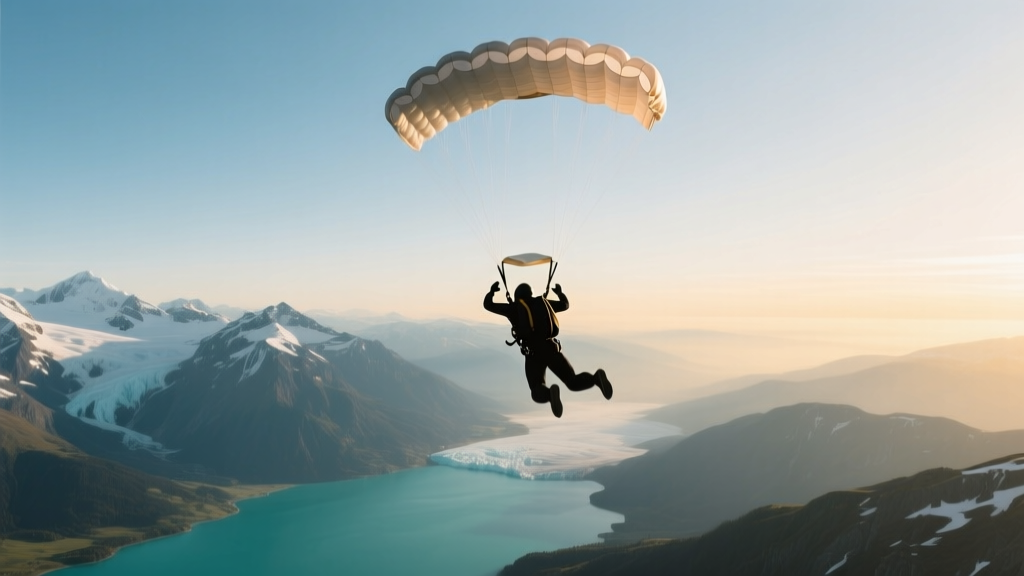
Where Can I Go Skydiving? Top Global Locations
If you're wondering where you can go skydiving, the answer is: nearly every country offers skydiving experiences at certified drop zones, with top destinations including the United States, Australia, the United Arab Emirates, Spain, and New Zealand. These locations provide scenic views, professional training, and strict safety standards for tandem and solo jumps.
Top Skydiving Destinations Worldwide
Skydiving is a globally accessible adventure sport, with hundreds of certified centers offering breathtaking aerial experiences. Whether you're a first-time jumper or an experienced skydiver, choosing the right location enhances both safety and enjoyment. Below are some of the most popular and reliable skydiving destinations.
North America
- United States: Home to over 200 FAA-certified drop zones, the U.S. leads in skydiving infrastructure. Popular spots include Florida (year-round weather), California (coastal views), and Arizona (scenic desert landscapes).
- Canada: Major centers in British Columbia and Quebec offer alpine and lake jump options during summer months.
Australia
- Famous for coastal jumps like the Great Ocean Road and Byron Bay, Australia provides consistent weather and advanced training programs regulated by the Australian Parachute Federation (APF).
- Tandem jumps are widely available, with minimum age typically set at 12 years.
Europe
- Spain: Costa del Sol and Ibiza offer Mediterranean views and warm climates ideal for jumping from April to October.
- Norway: Known for fjord jumps, providing dramatic landscapes unmatched elsewhere.
- France: The Alps region attracts experienced jumpers with high-altitude opportunities.
Middle East & Asia
- United Arab Emirates: Dubai’s skydiving scene features desert dunes and Palm Jumeirah landings, operating under international safety standards.
- Thailand: Phuket and Chiang Mai offer tropical island and mountain jumps, though regulation varies—choose only FAI-affiliated centers.
Oceania
- New Zealand: Queenstown is known as the "Adventure Capital of the World" and offers glacier, lake, and mountain backdrops. Regulated by NZPA (New Zealand Parachute Association).
What to Look for in a Skydiving Center
Choosing a reputable skydiving center ensures safety, professionalism, and an unforgettable experience. Consider these key factors before booking.
Safety and Certification
- Ensure the center is certified by national aviation or parachuting authorities (e.g., USPA in the U.S., BPA in the UK, APF in Australia).
- Check that instructors hold valid licenses and have logged hundreds of jumps.
- Verify equipment maintenance records and use of Automatic Activation Devices (AADs).
Type of Jump Offered
- Tandem Skydiving: Ideal for beginners; you’re harnessed to an instructor.
- Accelerated Freefall (AFF): For those pursuing solo certification, includes ground school and progressive jumps.
- Static Line Jumps: Traditional method often used in military and basic training programs.
Weather and Seasonality
- Some regions have limited jump seasons due to rain, wind, or cold temperatures.
- Tropical and desert climates (e.g., UAE, Florida) allow year-round operations.
- Always confirm cancellation policies due to weather.
Skydiving Centers Comparison by Location and Features
| Location | Drop Zone Name | Altitude (ft) | Price (Tandem USD) | Best Time to Jump | Certifying Body |
|---|---|---|---|---|---|
| Queenstown, NZ | NZONE Skydive | 15,000 | $449 | Oct–Apr | NZPA |
| Dubai, UAE | Skydive Dubai | 13,000 | $449 | Oct–May | FAI / SFA |
| San Diego, USA | U.S. Parachute Center | 14,000 | $299 + tax | Year-round | USPA |
| Byron Bay, AU | Byron Bay Skydivers | 15,000 | $460 AUD (~$310 USD) | Year-round | APF |
| Seville, Spain | Paracaidismo El Arenosillo | 13,000 | $270 EUR (~$290 USD) | Apr–Oct | RFEPC |
The data shows that tandem skydiving prices range from $270 to $460 USD, with higher altitudes (14,000–15,000 ft) offering longer freefall times (up to 60 seconds). Centers in New Zealand and Australia lead in altitude and visual appeal, while Spanish and American centers offer more budget-friendly options. All listed facilities operate under internationally recognized regulatory bodies, ensuring high safety standards.
How to Book Your First Skydive
Booking your first skydive should be exciting and stress-free. Follow these steps to ensure a smooth experience.
Step-by-Step Booking Guide
- Research Certified Centers: Use directories like FAI.org or USPA.org to find accredited drop zones near your destination.
- Compare Packages: Look for inclusions like video footage, photos, and gear rental.
- Check Availability: Popular locations book weeks in advance, especially during peak seasons.
- Review Cancellation Policies: Weather-related cancellations are common; ensure rescheduling or refund options exist.
- Arrive Early: Most centers require 15–30 minutes for check-in and safety briefing.
What to Wear and Bring
- Wear snug-fitting clothes and lace-up shoes (no sandals or flip-flops).
- Bring government-issued ID; some centers require signed waivers.
- Cameras are usually not allowed for first-time jumpers due to safety risks.
Frequently Asked Questions About Where You Can Go Skydiving
Can I go skydiving in any country?
Yes, skydiving is available in over 70 countries through certified drop zones. However, availability depends on local regulations, climate, and infrastructure. Always choose centers affiliated with national or international parachuting associations like FAI or USPA.
What is the best place in the world to go skydiving?
Queenstown, New Zealand, is widely regarded as the best place due to its stunning alpine scenery, high jump altitudes (up to 15,000 ft), and excellent safety record. Other top contenders include Dubai (Palm Jumeirah jump), Interlaken (Swiss Alps), and Hawaii (ocean views).
Do I need a license to go skydiving?
No, you don’t need a license for tandem skydiving, which is designed for beginners. However, if you want to jump solo, you must complete a training program such as the Accelerated Freefall (AFF) course and obtain a license from a recognized body like USPA or BPA.
Is skydiving safe for first-timers?
Yes, modern skydiving is very safe for beginners, especially tandem jumps. According to the USPA, the fatality rate is approximately 0.39 per 100,000 jumps. Reputable centers use dual-parachute systems, AADs, and highly trained instructors to minimize risk.
What’s the minimum age for skydiving?
The minimum age varies by country: 18 in the U.S., 16 in Australia (with parental consent), and 15 in parts of Europe. There is typically no upper age limit, but participants should be in reasonable health and able to follow instructions.
More Articles
 Best Nobull Shoes for CrossFit Women
 How Many Calories Do You Burn Cycling?
 How Long Has Skateboarding Been in the Olympics?
 How Much Is Club Pilates Per Month? (2025 Rates)
 How Long Does It Take to Skydive? Full Breakdown
 How to Prevent Sports Injuries: 15 Evidence-Based Strategies for Athletes
 Who Owns Park City Ski Resort? | Current Owner Revealed
 How Far Is an Ironman Triathlon? Full Distance Explained
 When Does Colorado Ski Season End? 2025 Guide
 How Long Does a Triathlon Take? Times by Distance & Level