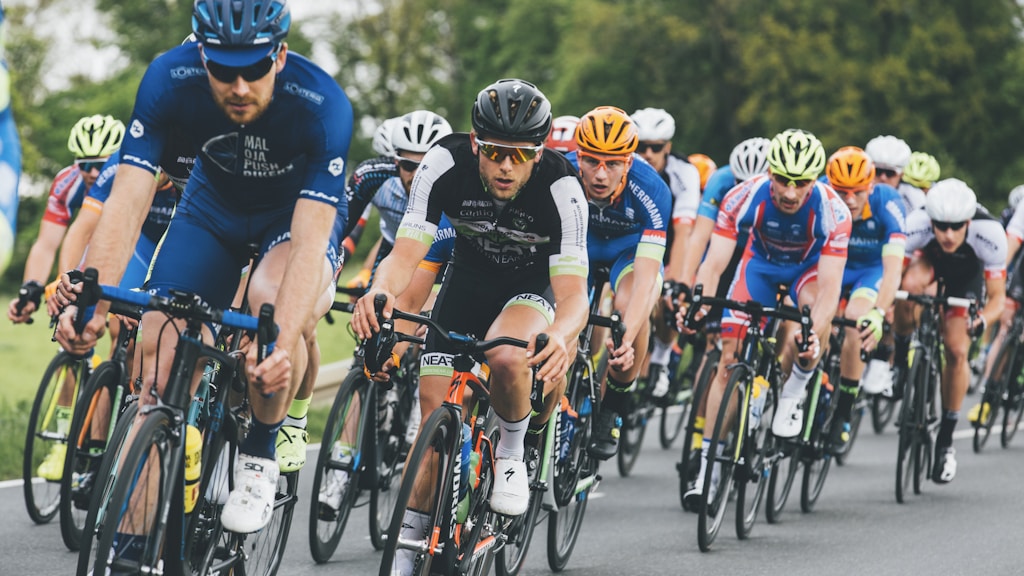
Ironman Distance: How Many Miles? (2026)
The Ironman Triathlon covers a total distance of 140.6 miles (226.4 kilometers), consisting of a 2.4-mile swim, a 112-mile bike ride, and a 26.2-mile marathon run.
What Is an Ironman Triathlon?
The Ironman Triathlon is one of the most challenging endurance events in the world. Recognized globally for its grueling distances, it tests athletes' physical stamina, mental resilience, and strategic preparation. The race is composed of three continuous and sequential disciplines: swimming, cycling, and running.
Ironman Distance Breakdown
- Swim: 2.4 miles (3.86 km) in open water
- Bike: 112 miles (180.25 km) on a road-legal bicycle
- Run: 26.2 miles (42.2 km), equivalent to a full marathon
These distances are standardized across all official Ironman-branded events sanctioned by the World Triathlon Corporation (WTC).
History and Origin of the Ironman Triathlon
The first Ironman event was held in 1978 in Kailua-Kona, Hawaii. It emerged from a debate among U.S. Navy officers about which athletes were the fittest—swimmers, cyclists, or runners. The inaugural race combined three existing endurance events: the Waikiki Roughwater Swim (2.4 miles), the Around-Oahu Bike Race (115 miles, later adjusted to 112), and the Honolulu Marathon (26.2 miles). The name "Ironman" was coined to reflect the extreme toughness required to finish.
Ironman vs. Other Triathlon Distances
While Ironman represents the pinnacle for many triathletes, several other triathlon formats exist, each with different distances. Understanding these helps athletes choose appropriate training goals.
| Event Type | Swim | Bike | Run | Total Distance |
|---|---|---|---|---|
| Sprint | 0.5 mi (0.75 km) | 12.4 mi (20 km) | 3.1 mi (5 km) | 16 mi (25.7 km) |
| Olympic / Standard | 0.93 mi (1.5 km) | 24.8 mi (40 km) | 6.2 mi (10 km) | 31 mi (51.5 km) |
| Half-Ironman (70.3) | 1.2 mi (1.9 km) | 56 mi (90 km) | 13.1 mi (21.1 km) | 70.3 mi (113 km) |
| Ironman (Full) | 2.4 mi (3.86 km) | 112 mi (180.25 km) | 26.2 mi (42.2 km) | 140.6 mi (226.4 km) |
The table highlights how the full Ironman distance doubles the Half-Ironman and exceeds Olympic standards by more than double. This immense gap underscores the need for specialized training, nutrition planning, and recovery protocols unique to Ironman competitors.
Training Requirements for Completing an Ironman
Preparing for an Ironman typically takes 6–12 months of structured training, depending on the athlete's baseline fitness level. Key components include:
- Weekly Volume: Athletes often log 10–20 hours per week across all three disciplines.
- Brick Workouts: Back-to-back sessions (e.g., bike followed immediately by run) to simulate race conditions.
- Nutrition Strategy: Practicing fuel intake during long workouts to avoid gastrointestinal issues on race day.
- Recovery Protocols: Sleep optimization, stretching, foam rolling, and active recovery are critical.
Common Challenges Faced During the Race
- Hydration imbalances leading to cramping or hyponatremia
- Mental fatigue, especially during the marathon segment
- Bike mechanical issues requiring self-repairs
- Weather extremes affecting performance and safety
Notable Ironman Events Worldwide
While the original Ironman World Championship takes place in Kailua-Kona, Hawaii, there are over 30 qualifying Ironman events globally, including:
- Ironman European Championship – Frankfurt, Germany
- Ironman Asia-Pacific Championship – Cairns, Australia
- Ironman African Championship – South Africa
- Ironman 70.3 World Championship – Rotates annually
Athletes earn entry to the Ironman World Championship through age-group qualification slots or by entering a lottery system.
Frequently Asked Questions About the Ironman Triathlon
How many miles is the full Ironman triathlon?
The full Ironman triathlon is 140.6 miles long, broken down into a 2.4-mile swim, 112-mile bike ride, and a 26.2-mile marathon run.
Is the Ironman distance the same everywhere?
Yes, all official Ironman-branded races follow the exact same distance: 2.4-mile swim, 112-mile bike, and 26.2-mile run, totaling 140.6 miles. This standardization ensures consistency for qualifying and record purposes.
How long does it take to complete an Ironman?
Most amateur athletes finish within 12 to 17 hours. The official time limit is 17 hours from the start of the swim. Elite professionals typically finish in under 8 hours, with the current world record standing at approximately 7 hours and 50 minutes.
What is an Ironman 70.3?
An Ironman 70.3 is a half-distance triathlon totaling 70.3 miles: a 1.2-mile swim, 56-mile bike, and 13.1-mile run. It serves as a stepping stone for athletes preparing for the full Ironman and also hosts its own world championship.
Do you have to be an elite athlete to participate in an Ironman?
No, Ironman events welcome athletes of all skill levels. While elite competitors race for prize money, the majority of participants are age-group amateurs who train extensively to meet the challenge. Proper preparation and commitment are more important than elite status.
More Articles
 When Were Skateboards Invented? History & Evolution
 How Long Is an Olympic Triathlon? Full Distance Explained
 How Long Does It Take to Skydive? Full Breakdown
 When Was Surfing Added to the Olympics? Key Facts
 When Does Park City Open for Skiing? 2024 Dates
 How Far Is a Sprint Triathlon? Full Distance Breakdown
 How Many People Die Skydiving? Stats & Safety Facts
 Boost Acceleration: 3 Med Ball Throws
 How Old to Skydive? Age Limits by Country Explained
 What Happened at the CrossFit Games Today? 2025 Results