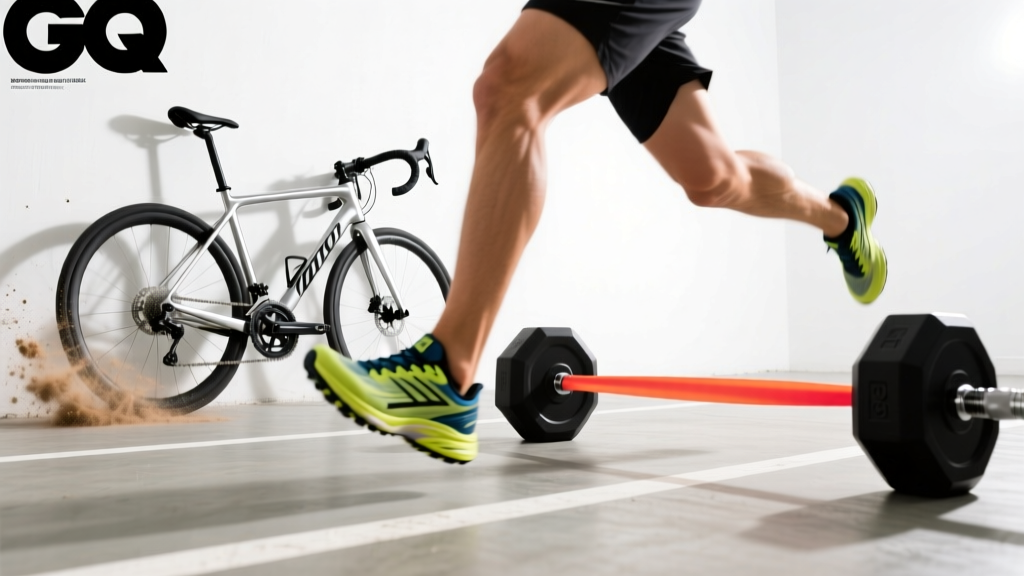
How to Prevent Running Shoe Blisters
Understanding Blister Formation
Blisters result from friction, moisture, and heat working together against your skin. The combination creates shear forces that separate skin layers, filling with fluid. Preventing any one of these three factors dramatically reduces blister risk.
Shoe Fit
Your running shoes should have a thumb width of space between your longest toe and the shoe end. Feet swell during runs, so shoes that feel perfect in the store may become tight after 30 minutes. Always buy running shoes half a size up from your casual shoes.
Sock Strategy
- Material: Synthetic or merino wool only. Cotton holds moisture and causes blisters
- Fit: Snug but not tight. Loose socks bunch up and create friction points
- Double layer: Two thin socks shift friction between the sock layers instead of against your skin
- Toe socks: Individual toe pockets prevent toe-to-toe friction
Lacing Techniques
A heel lock lace prevents your heel from sliding up and down, which is the most common cause of heel blisters. Cross the laces through the extra eyelets at the top of the shoe and pull snug.
Pre-Treatment
Apply anti-friction balm or petroleum jelly to known hot spots before runs. For longer runs, athletic tape or blister prevention patches on high-friction areas provide a physical barrier.
If a Blister Forms
Do not pop small blisters; the skin is your best bandage. For large painful blisters, drain with a sterilized needle from the side, apply antibiotic ointment, and cover with a hydrocolloid dressing. Never remove the blister roof.
More Articles
 Time Tips Essentials: Actionable, Evidence-Based Strategies That Save 12–18 Hours Weekly
 When Is Ski Week? Dates & Planning Guide 2025
 When Does Ski Season End? By Region & Year
 12 Fun Sports Alternatives to Try
 How Long Is an Ironman Triathlon? Full Distance Explained
 Where Was Surfing Invented? The True Origin
 Why Are Olympic Skateboarders So Young?
 Will Hot Yoga Help You Lose Weight? Science-Based Answer
 Sports Gear Sizing: Measurement Guide
 CrossFit Open 2025 Dates: Start, End & How to Compete