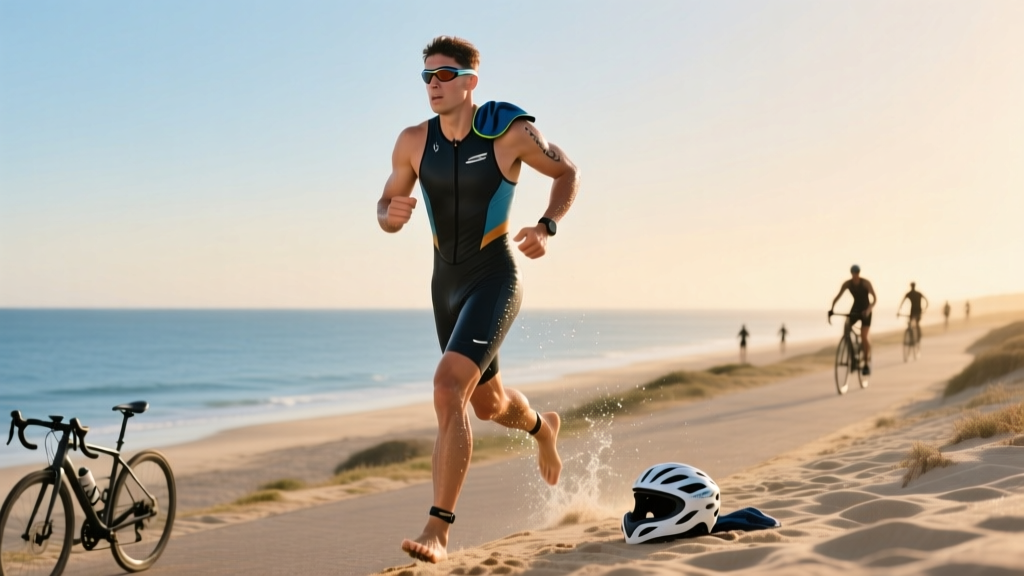
How Long Is an Ironman Triathlon? Full Distance Explained
An Ironman triathlon is 140.6 miles (226.4 kilometers) long, consisting of a 2.4-mile (3.86 km) swim, followed by a 112-mile (180.25 km) bike ride, and finishing with a full marathon of 26.2 miles (42.2 km). Completing this grueling endurance event within the 17-hour time limit is considered one of the greatest challenges in sports.
What Is an Ironman Triathlon?
The Ironman triathlon is the most recognized long-distance triathlon in the world, organized by the World Triathlon Corporation (WTC). It tests human endurance across three disciplines: swimming, cycling, and running—completed in sequence without stopping.
Standard Ironman Distance Breakdown
- Swim: 2.4 miles (3.86 kilometers)
- Bike: 112 miles (180.25 kilometers)
- Run: 26.2 miles (42.2 kilometers), equivalent to a full marathon
The total distance adds up to 140.6 miles (226.4 km). Athletes must finish within a strict 17-hour cutoff, starting from the beginning of the swim.
History and Evolution of the Ironman
The first Ironman was held in 1978 on Oahu, Hawaii, created by U.S. Navy Commander John Collins. He combined three existing endurance events: the Waikiki Roughwater Swim (2.4 miles), the Around-Oahu Bike Race (112 miles), and the Honolulu Marathon (26.2 miles).
Since then, Ironman has grown into a global phenomenon with over 150 events annually across more than 50 countries. The pinnacle event remains the Ironman World Championship, traditionally held in Kailua-Kona, Hawaii, and now rotating locations including Nice, France.
Ironman vs. Other Triathlon Distances
Many people confuse Ironman with other triathlon formats. Here’s how it compares to common race types:
| Triathlon Type | Swim | Bike | Run | Total Distance |
|---|---|---|---|---|
| Sprint | 0.5 mi (750m) | 12.4 mi (20km) | 3.1 mi (5km) | ~16 miles (25.5 km) |
| Olympic / Standard | 0.93 mi (1.5km) | 24.8 mi (40km) | 6.2 mi (10km) | ~31 miles (51.5 km) |
| Half-Ironman (70.3) | 1.2 mi (1.9km) | 56 mi (90km) | 13.1 mi (21.1km) | 70.3 miles (113 km) |
| Ironman (Full) | 2.4 mi (3.86km) | 112 mi (180.25km) | 26.2 mi (42.2km) | 140.6 miles (226.4 km) |
The table highlights the significant jump in distance from Olympic to Half-Ironman and finally to Full Ironman. The Ironman is exactly double the Half-Ironman distance, both in each segment and overall. This progression reflects increasing demands on aerobic capacity, muscular endurance, and mental resilience.
Typical Ironman Completion Times
Athletes vary widely in performance, but average finish times help set realistic expectations.
- Elite Men: ~8 hours (e.g., 7:40–8:10)
- Age-Group Men: 12–14 hours
- Age-Group Women: 13–15 hours
- Overall Average: ~12 hours 30 minutes
- Cutoff Time: 17 hours from start gun
Pro athletes like Jan Frodeno and Daniela Ryf have broken 7:40 and 8:30 barriers, respectively, pushing the limits of human performance.
Training Requirements for an Ironman
Preparing for an Ironman typically takes 6–12 months of structured training, especially for first-time competitors.
Key Training Components
- Weekly Volume: 12–20+ hours depending on experience
- Swim: 2–4 sessions/week focusing on technique and endurance
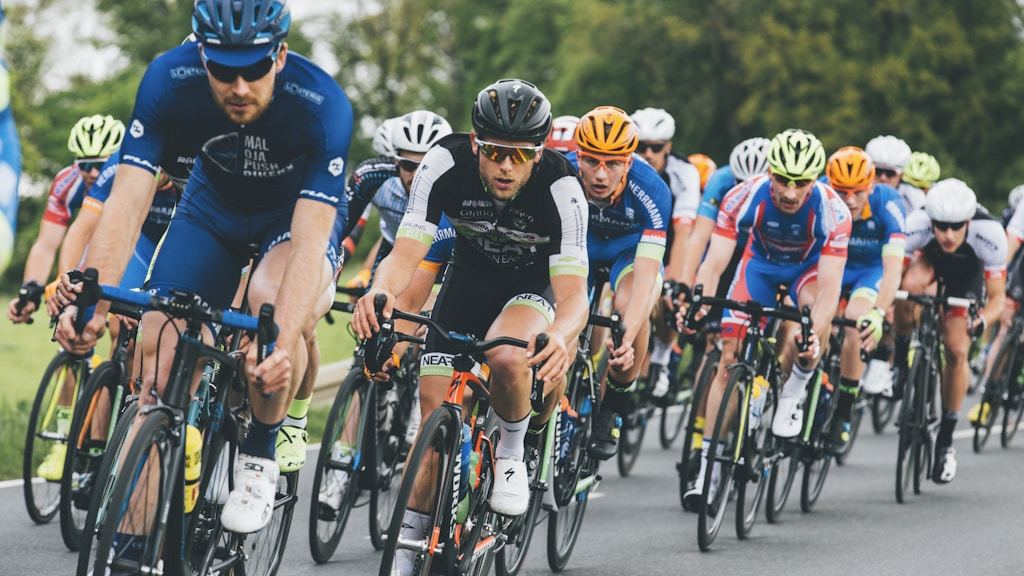
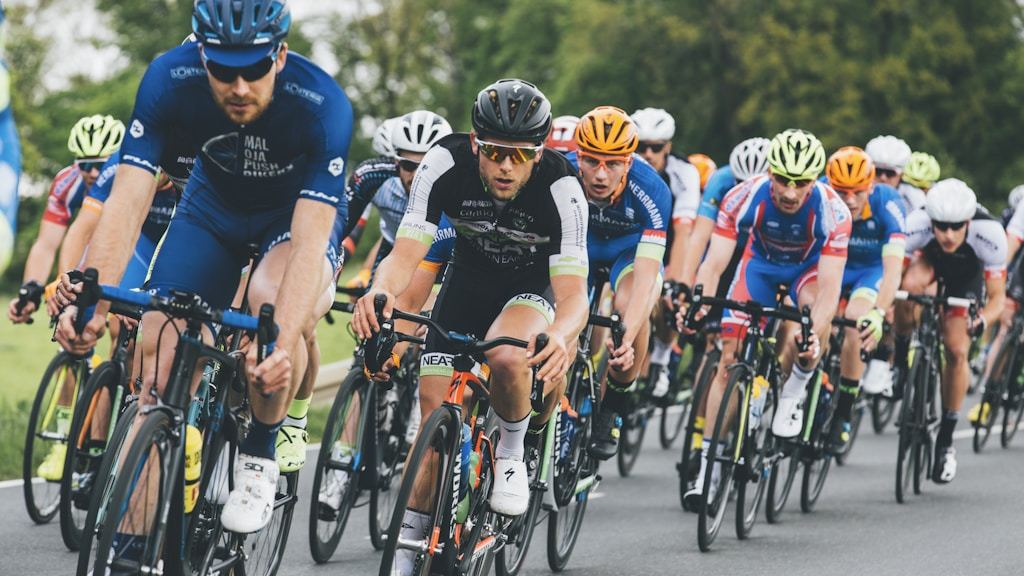
- Bike: Long rides (5–7 hours) build aerobic base; indoor training for consistency
- Run: Brick workouts (bike-to-run) simulate race conditions
- Nutrition: Practice fueling with 60–90g carbs/hour during long efforts
- Recovery: Sleep, stretching, and rest days are critical to avoid overtraining
Notable Ironman Events Worldwide
While all Ironman races follow the same distance, some are more prestigious due to history or difficulty.
- Ironman World Championship – Kona, Hawaii: The original and most iconic race, known for heat, humidity, and crosswinds.
- Ironman Nice, France: Now part of the rotation for the World Championship, offering a scenic but hilly course.
- Ironman Cozumel: Fast course with flat terrain and warm water.
- Ironman Lake Placid: Mountainous bike route and cold swim, challenging even for elites.
- Ironman Australia: Historic race with strong competition and fan support.
Frequently Asked Questions About Ironman Triathlons
How long is an Ironman triathlon in kilometers?
An Ironman triathlon is 226.4 kilometers long: 3.86 km swim, 180.25 km bike, and 42.2 km run. This totals 140.6 miles, making it one of the longest standardized endurance events in the world.
How many hours does it take to complete an Ironman?
Most amateur athletes take between 12 and 14 hours to finish. Elite professionals can complete it in under 8 hours for men and under 9 hours for women. All participants must finish within a 17-hour cutoff.
Is a Half-Ironman half the distance of a full Ironman?
Yes, a Half-Ironman (also called Ironman 70.3) is exactly half the distance: 1.2-mile swim, 56-mile bike, and 13.1-mile run, totaling 70.3 miles. It serves as a common stepping stone toward the full Ironman.
Do you sleep during an Ironman triathlon?
No, athletes do not sleep during the race. The 17-hour time limit makes napping impossible. Mental focus and pacing are essential to stay awake and alert throughout the event.
What is the hardest part of an Ironman?
For most athletes, the marathon (final run) is the hardest segment. By that point, muscles are fatigued from swimming and cycling, and maintaining pace becomes a battle of willpower. Nutrition management and cramp prevention are crucial here.
More Articles
 Why Are Olympic Skateboarders So Young?
 How Long Is a Skydive? Full Timeline Explained
 How Many Base Camps on Everest? Two Main Camps Explained
 Where to Buy Ski Gear: Best Stores & Deals 2025
 How Fast Does a Skydiver Fall? Average Speed Explained
 Play and Bowls Compared: Practical Differences in Design, Function, and Real-World Use
 Where to Go Skiing: Top Global Destinations for 2025
 Who Won Skateboarding Olympics 2024? Gold Medalists Revealed
 Who Invented Snow Skiing? Origins and History
 Ultimate Teams Guide: High-Performance in 2026