
Long Jump Drills: 8 Exercises to Add Distance (2026)
Long Jump Training: Building Distance Step by Step
The long jump combines speed, power, and technique in a single explosive movement. Whether you're a high school track athlete looking to add inches to your PR or a recreational jumper wanting to improve, these 8 training drills target every phase of the jump, from approach to landing.
Drill 1: Approach Run Acceleration
The approach run generates 80% of your jumping distance. Practice 20-30 meter acceleration runs focusing on:
- Gradual speed buildup (not full sprint from the start)
- Consistent stride pattern to hit the takeoff board
- Upright posture in the final 5 meters
Run 6-8 repetitions with full recovery between each. Mark your starting point and count strides to develop consistency.
Drill 2: Takeoff Board Practice
Set up a takeoff board (or tape line) and practice hitting it at speed. The goal is to plant your takeoff foot flat and drive your opposite knee upward at a 45-degree angle. Focus on:
- Penultimate stride slightly longer than normal (lowers center of gravity)
- Takeoff stride slightly shorter (converts horizontal speed to vertical lift)
- Arms driving forward and up simultaneously with the knee drive
Drill 3: Bounding (Speed Bounds)
Bounding develops the explosive leg power needed for takeoff. Perform exaggerated running strides covering maximum distance with each step:
- 3 sets of 30 meters
- Focus on full knee extension and powerful arm swing
- Land on the ball of the foot, not flat-footed
Drill 4: Standing Long Jump
This classic drill isolates the explosive power component without approach speed. Stand with feet shoulder-width apart, swing arms back, then explode forward. Key points:
- Full arm swing from behind to overhead during takeoff
- Drive hips forward aggressively
- Extend legs fully before landing
- Land with feet together, heels marking the distance
Perform 5 jumps per set, 3 sets, with 2 minutes rest between sets.
Drill 5: Depth Jumps
Step off a 12-18 inch box, land softly, and immediately explode upward into a maximum vertical jump. This plyometric drill trains the stretch-shortening cycle that powers your takeoff:
- 3 sets of 5 jumps
- Minimize ground contact time (think "hot ground")
- Progress to higher boxes as you improve
Drill 6: Hang Technique (Flight Phase)
Practice the hang position mid-air: after takeoff, extend your body fully (the "hang" position) with arms overhead and legs extended forward. This drill helps you maintain balance and maximize distance in the air. Use a short approach (5-7 strides) and focus on body position after takeoff.
Drill 7: Landing Practice
Many jumpers lose 6-12 inches on poor landings. Practice landing with both feet together, knees bent, and arms swinging forward past your feet. The key is to NOT sit back on landing. Your heels should mark the farthest point, and your momentum should carry you forward out of the pit.
Drill 8: Sprint + Jump Combination
Combine everything: full-speed approach run into a complete jump. This is your competition rehearsal. Do 4-6 full jumps per session with complete recovery (5 minutes) between each. Video record your jumps to analyze form.
Weekly Training Schedule
For optimal improvement, structure your week like this:
- Monday: Approach run drills + sprint work
- Tuesday: Plyometrics (bounding, depth jumps)
- Wednesday: Rest or light recovery
- Thursday: Full jump practice (drill 8)
- Friday: Strength training (squats, lunges, core)
- Saturday: Competition or time trial
- Sunday: Rest
More Articles
 Who Won the High Jump Today? Mahuchikh & Barshim Claim Gold
 How Cold Are Ice Skating Rinks? Expert Breakdown
 How Many Hurdles in 110m Hurdles? Exact Number & Layout
 Olympic Water Polo Pool Depth: 2 Meters Explained
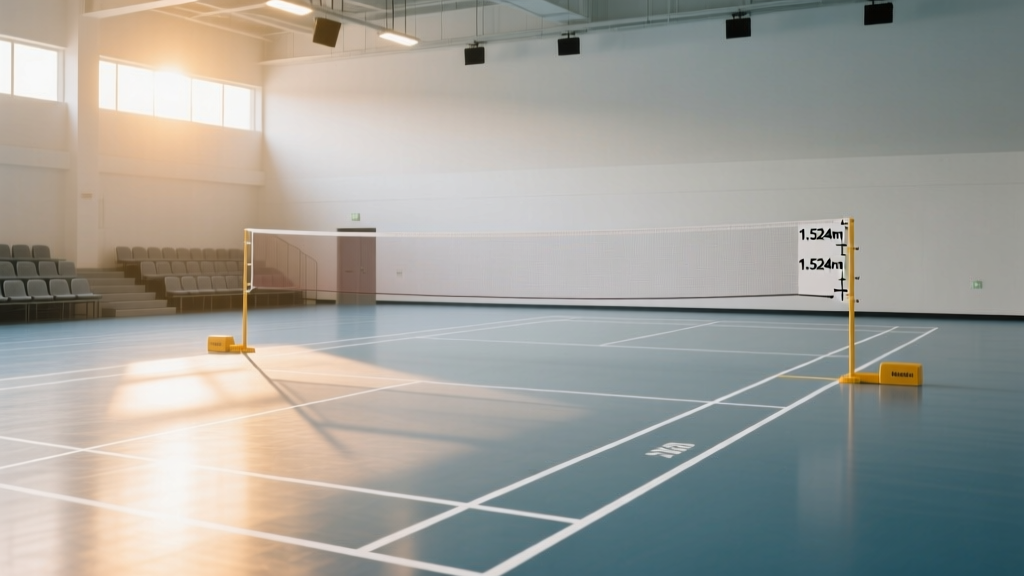 Badminton Venue Guide: Court Dimensions, Net Height & Facility Requirements (2026)
 Where to Buy Swim Shorts: Best Online & In-Store Options
 Why Is There a Libero in Volleyball? Rules, Purpose & History Explained (2026)
 Best Sports for Beginners: 10 Easy and Fun Games to Start Today
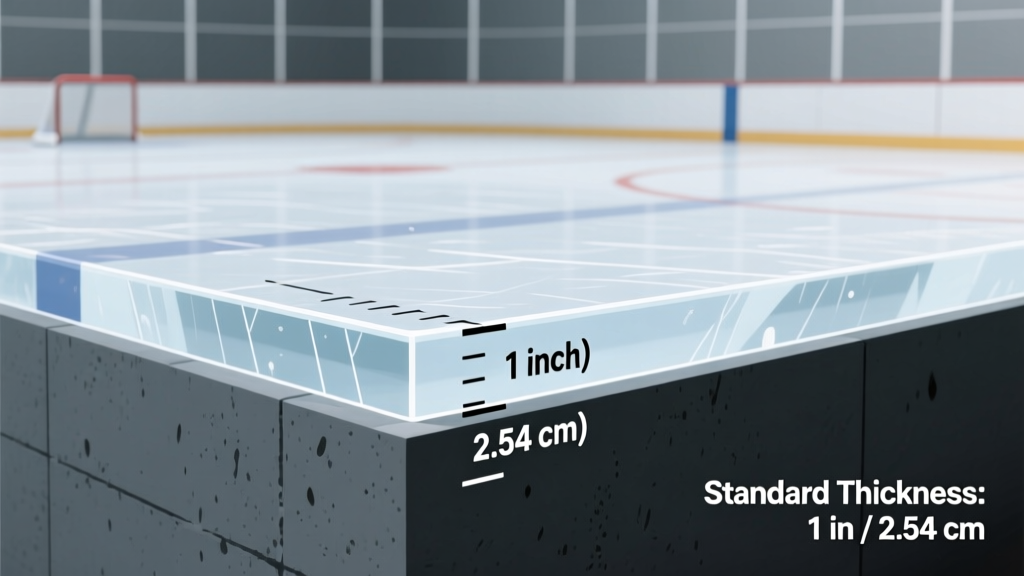 How Thick Is Hockey Rink Ice? Standard Measurements
 How Many Yards in a Mile Swimming? Exact Numbers