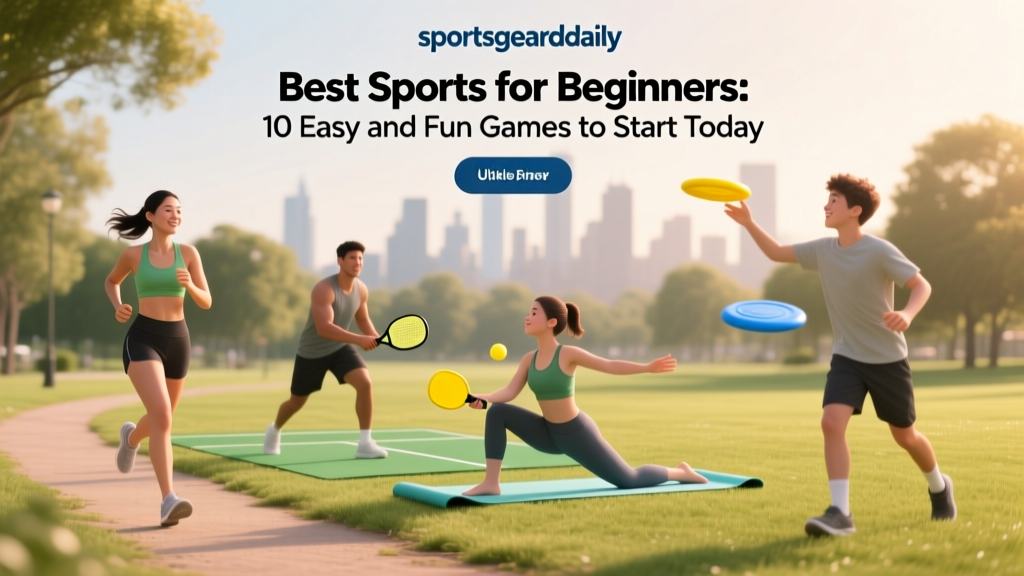
Best Sports for Beginners: 10 Easy and Fun Games to Start Today
Why Starting a New Sport Is One of the Best Decisions You Can Make
Picking up a new sport as an adult can feel intimidating, but the benefits far outweigh the initial awkwardness. Regular participation in sports improves cardiovascular health, builds muscle strength, enhances mental well-being, and provides social connections that are increasingly rare in our digital world. The key is choosing a sport that matches your current fitness level, interests, and lifestyle.
In this guide, we rank 10 sports that are particularly welcoming to beginners, considering factors like learning curve, equipment costs, availability of facilities and communities, injury risk, and overall enjoyment factor. Whether you are looking for a solo activity or a team sport, an indoor option or something outdoors, there is something here for everyone.
Before starting any new physical activity, consult your doctor if you have pre-existing health conditions. Start slowly and increase intensity gradually to avoid injury. The goal is to build a sustainable habit, not to push yourself to exhaustion in the first week.
1. Walking and Hiking
Walking is the most accessible sport on this list and the perfect starting point for anyone new to exercise. It requires no special equipment beyond comfortable shoes, can be done anywhere, and has virtually zero injury risk when done at a moderate pace. Start with 20-30 minute walks and gradually increase duration and speed.
Hiking takes walking to the next level by adding varied terrain and natural scenery. It builds leg strength, improves balance, and provides mental health benefits through exposure to nature. Most cities have hiking trails within a short drive, and many hiking groups welcome beginners with easy-rated trails and social post-hike gatherings.
2. Swimming
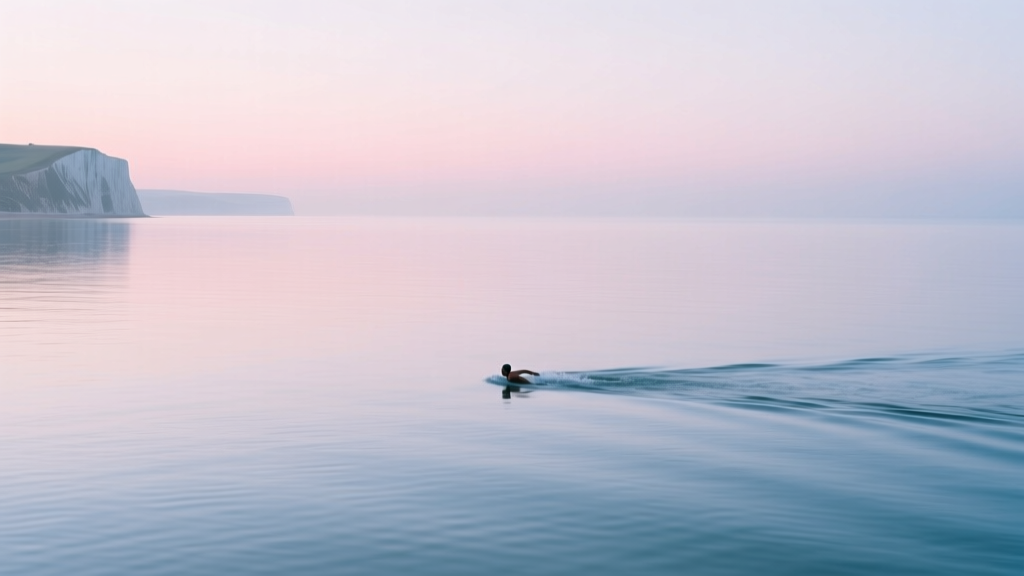
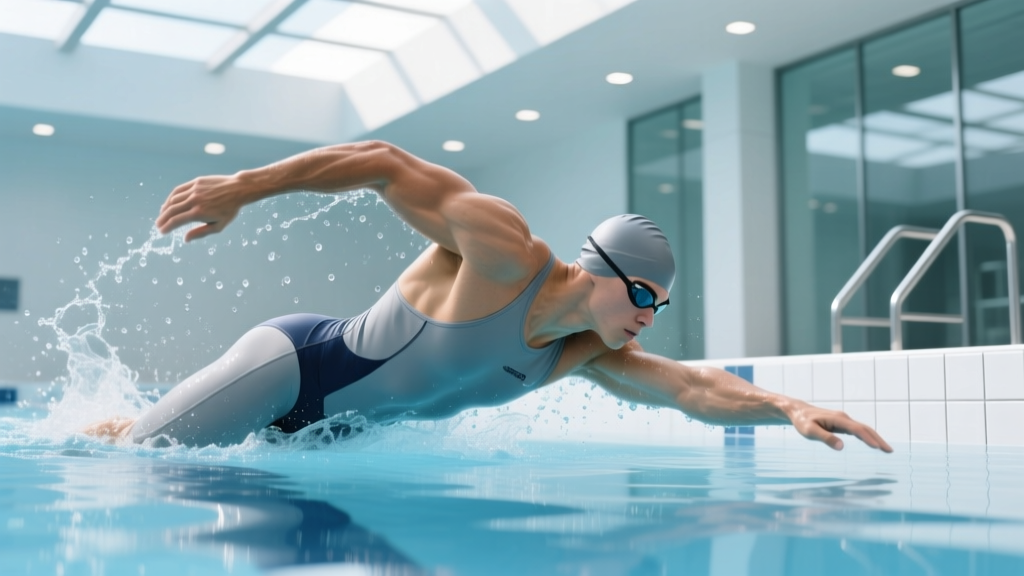
Swimming is a full-body, low-impact exercise that is gentle on joints while providing an excellent cardiovascular workout. It builds endurance, muscle tone, and lung capacity. Most communities have public pools with adult beginner classes, and many offer lap swimming sessions for independent practice.
The main barrier to swimming is access to a pool, but most gyms, community centers, and schools offer pool access at reasonable rates. Start with basic freestyle and backstroke before progressing to more complex strokes. Even 20 minutes of continuous swimming provides significant health benefits.
3. Badminton
Badminton is one of the most social and enjoyable racket sports for beginners. The lightweight racket and slow-moving shuttlecock make it easy to sustain rallies even on your first day. It can be played indoors or outdoors, in singles or doubles, and requires minimal equipment to get started.
A beginner racket costs $20-40, and shuttlecocks are inexpensive. Most recreation centers have badminton courts, and many offer beginner-friendly social nights where you can meet other new players. The sport provides excellent cardiovascular exercise and improves hand-eye coordination, reflexes, and agility.
4. Cycling
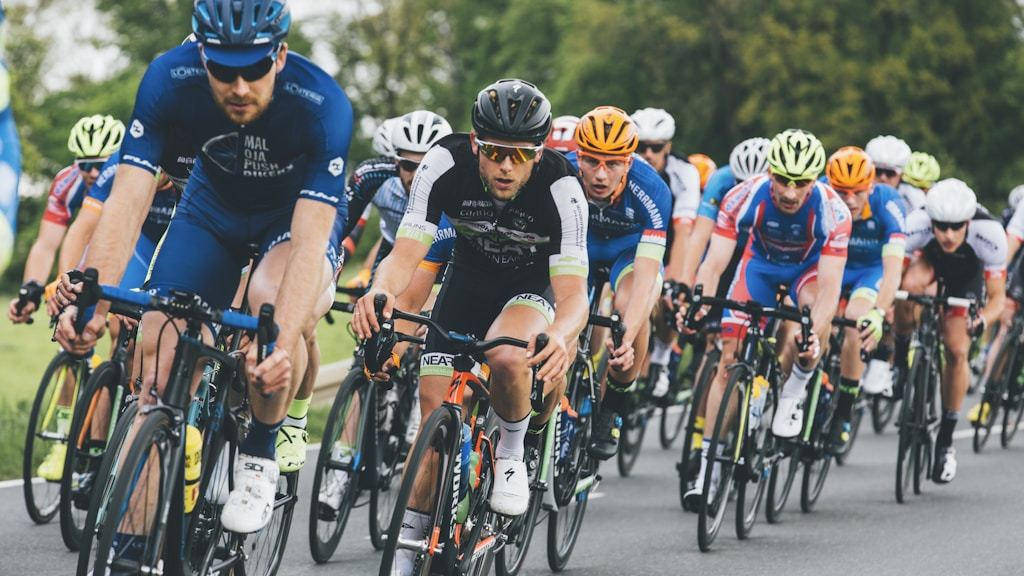
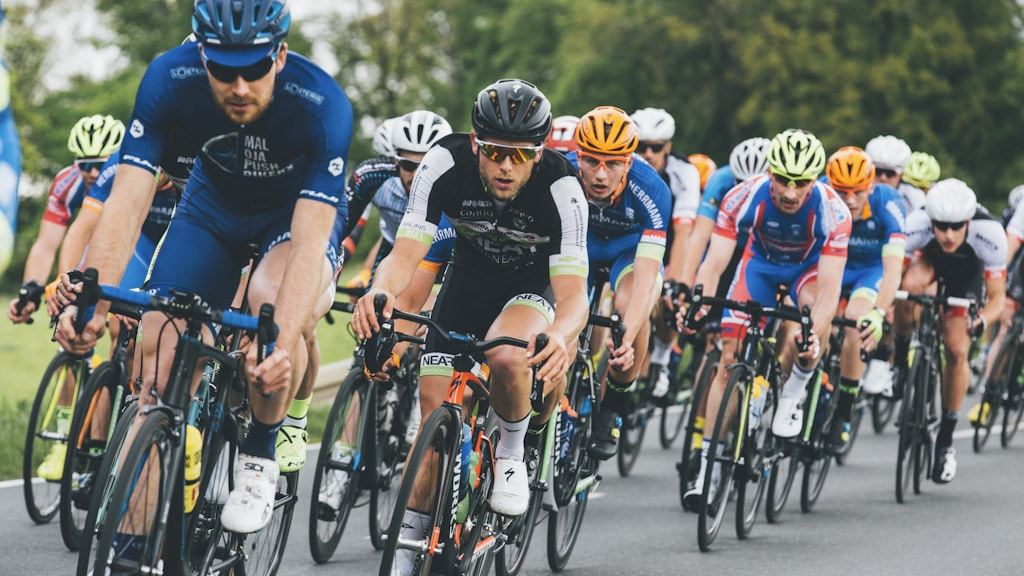
Cycling combines transportation, exercise, and exploration in one activity. It is low-impact on joints, making it suitable for people of all ages and fitness levels. Start with short rides on flat terrain and gradually increase distance and difficulty as your fitness improves.
A decent beginner bicycle costs $300-600, and most cities now have dedicated bike lanes and cycling groups. Many communities offer organized rides at various difficulty levels, from casual social rides to more challenging routes. Cycling builds leg strength, cardiovascular endurance, and core stability.
5. Table Tennis (Ping Pong)
Table tennis is fast, fun, and surprisingly good exercise. It improves reflexes, hand-eye coordination, and mental agility while being gentle on the body. A basic table tennis set costs under $50, and many community centers and bars now have tables available for public use.
The learning curve is gentle: most beginners can sustain a rally within their first session. As you improve, the game becomes increasingly strategic with spin, placement, and pace variations. Table tennis is also an excellent social sport, easy to play with friends or family of any age.
6. Yoga
Yoga is both a physical practice and a mental discipline that improves flexibility, strength, balance, and stress management. It can be practiced at home with just a mat or at studios offering classes for all levels. Many free online resources exist for beginners, including YouTube channels with structured programs.
Start with beginner or gentle yoga classes and focus on learning proper alignment rather than achieving advanced poses. Consistency matters more than intensity: practicing 15-20 minutes daily is more beneficial than one intense 90-minute session per week. Yoga complements other sports beautifully by improving flexibility and preventing injuries.
7. Recreational Basketball
Basketball is accessible, social, and provides an intense cardiovascular workout. Most neighborhoods have public courts, and pickup games are common at all skill levels. You only need a ball and appropriate shoes to get started.
Begin by practicing basic dribbling, shooting, and passing. Once comfortable, join casual pickup games where the pace is relaxed and experienced players are usually happy to help newcomers. Basketball builds endurance, coordination, and teamwork skills, and the social aspect makes it easy to stay motivated.
8. Tennis
Tennis offers a lifetime of enjoyment and excellent physical benefits. While it has a slightly steeper learning curve than badminton due to the heavier ball and larger court, many communities offer beginner clinics and social tennis events. Public courts are widely available and often free.
Start with lessons to learn proper grip, stance, and basic strokes (forehand, backhand, serve). Once you can sustain a rally, find hitting partners at a similar level or join a beginner league. Tennis provides a full-body workout and is one of the best sports for longevity, with active players well into their 70s and 80s.
9. Volleyball
Volleyball is a team sport that builds communication, coordination, and explosive power. Beach volleyball and indoor volleyball are both accessible to beginners, with many recreation centers offering social leagues at various levels.
The basic skills of passing, setting, and serving can be learned quickly, and the team nature of the sport means you are never solely responsible for every play. Volleyball is excellent for building upper body strength, reflexes, and jumping ability. Many beach volleyball courts offer free play, making it one of the most affordable team sports.
10. Running
Running is one of the most efficient calorie-burning exercises and requires minimal equipment. A good pair of running shoes ($80-120) is the only essential investment. Start with a walk-run program like Couch to 5K, which gradually builds your running endurance over 8-10 weeks.
Joining a local running group or signing up for a 5K race gives you a concrete goal and a supportive community. Running improves cardiovascular health, strengthens bones, boosts mood through endorphin release, and can be done virtually anywhere. The key is to start slowly and increase your weekly mileage by no more than 10 percent to prevent injuries.
More Articles
 How Many People Are on an Ice Hockey Team?
 How Much Do Formula 1 Drivers Get Paid in 2025?
 Best Tennis Rackets for Beginners 2026: Complete Buying Guide with Expert Reviews
 Where to Ride Go Karts Near You in 2025
 How Long Is the English Channel Swim?
 How Many Calories Does Swimming Burn? (By Weight & Stroke)
 What to Wear at a Rock Climbing Gym
 How Fast Are K1 Speed Karts? Top Speed Revealed
 What Happens If You Knock Over a Hurdle?
 How Many Feet Is a Swim Lap? Exact Distances Explained