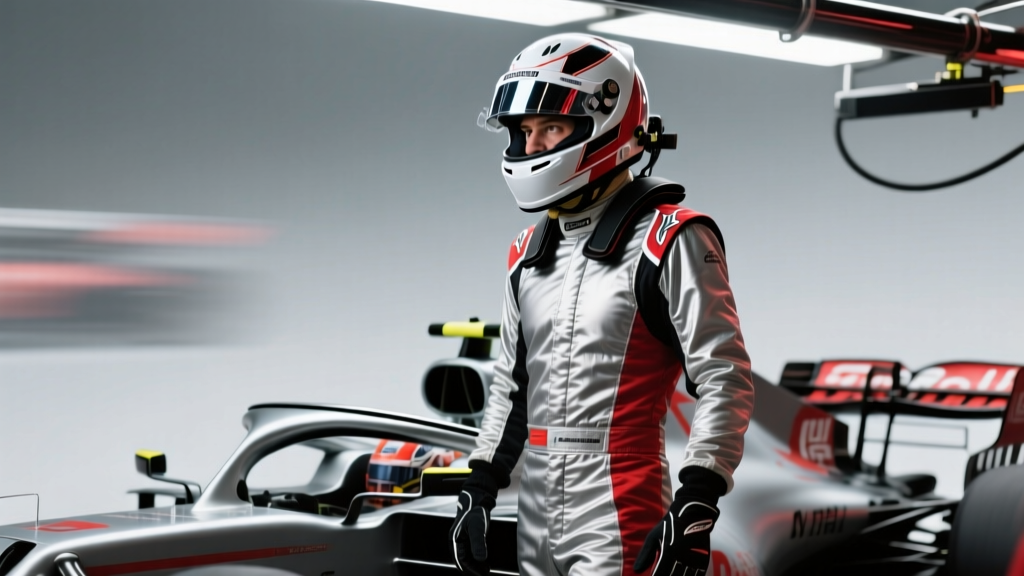
How Much Do Formula 1 Drivers Get Paid in 2025?
Formula 1 drivers' salaries vary dramatically, with top earners like Max Verstappen and Lewis Hamilton making over $50 million annually in combined salary and bonuses, while lower-tier drivers may earn between $500,000 and $5 million, depending on performance, sponsorship, and team budget.
Understanding Formula 1 Driver Salaries
F1 driver pay is not standardized and depends on multiple factors including experience, performance, marketability, and team finances. While some drivers are paid tens of millions per year, others receive modest salaries or even pay to drive.
Key Factors Influencing F1 Driver Pay
- Driver Performance: Race wins, podiums, and championships significantly increase earning potential.
- Team Budget: Top teams like Ferrari, Red Bull, and Mercedes can afford higher salaries than midfield or backmarker teams.
- Sponsorship Value: Drivers who bring personal sponsors or global brand appeal often command higher contracts.
- Marketability: Social media presence, nationality, and public image play a role in endorsement deals and salary negotiations.
- Contract Length & Bonuses: Long-term deals may include win bonuses, championship incentives, and appearance fees.
Highest-Paid F1 Drivers in 2025
The top tier of F1 drivers earns the majority of the sport's total driver compensation. These figures include base salary, performance bonuses, and endorsements where applicable.
| Driver | Team (2025) | Base Salary (USD) | Bonuses & Incentives (Est.) | Total Estimated Earnings (USD) |
|---|---|---|---|---|
| Lewis Hamilton | Ferrari | $40,000,000 | $15,000,000 | $55,000,000 |
| Max Verstappen | Red Bull Racing | $42,000,000 | $10,000,000 | $52,000,000 |
| Charles Leclerc | Ferrari | $25,000,000 | $8,000,000 | $33,000,000 |
| Carlos Sainz | Sauber (Audi) | $20,000,000 | $5,000,000 | $25,000,000 |
| George Russell | Mercedes | $15,000,000 | $4,000,000 | $19,000,000 |
| Sergio Pérez | Red Bull Racing | $14,000,000 | $5,000,000 | $19,000,000 |
| Lando Norris | McLaren | $12,000,000 | $3,000,000 | $15,000,000 |
| Oscar Piastri | McLaren | $5,000,000 | $1,000,000 | $6,000,000 |
| Valtteri Bottas | Sauber (Alfa Romeo) | $5,000,000 | $500,000 | $5,500,000 |
| Pierre Gasly | Alpine | $5,000,000 | $500,000 | $5,500,000 |
| Esteban Ocon | Alpine | $3,000,000 | $500,000 | $3,500,000 |
| Yuki Tsunoda | RB (AlphaTauri) | $2,000,000 | $500,000 | $2,500,000 |
| Nico Hülkenberg | Haas | $2,000,000 | $300,000 | $2,300,000 |
| Kevin Magnussen | Haas | $1,500,000 | $300,000 | $1,800,000 |
| Logan Sargeant | Williams | $1,000,000 | $200,000 | $1,200,000 |
| Alexander Albon | Williams | $1,000,000 | $200,000 | $1,200,000 |
| Zhou Guanyu | Sauber (Alfa Romeo) | $800,000 | $200,000 | $1,000,000 |
| Liam Lawson | RB (AlphaTauri) | $500,000 | $100,000 | $600,000 |
The data shows a steep pay gap between top-tier and mid-to-lower tier drivers. Drivers at elite teams—Ferrari, Red Bull, and Mercedes—dominate the top of the earnings list. Performance-linked bonuses make up a significant portion of total income, especially for championship contenders. Meanwhile, drivers at smaller teams earn substantially less, with some relying on personal sponsorships to supplement their income.
Drivers Who Pay to Drive
Not all F1 drivers are paid. Some, particularly newcomers or those backed by national programs, contribute financially to secure a seat. This practice, known as "pay drivers," is common in backmarker teams.
- Examples: Nyck de Vries (former AlphaTauri) had backing from Dutch sponsors; some rookie entries bring title sponsors to offset costs.
- Trend: Teams like Williams and Haas have historically taken drivers with financial backing when lacking competitive performance.
- Impact: Pay drivers often face pressure to deliver results without the same job security as salaried peers.
Salary vs. Total Earnings: The Role of Endorsements
A driver’s total income includes more than just salary. Top drivers earn substantial amounts from endorsements, personal branding, and social media.
- Lewis Hamilton earns over $40 million annually from brands like Tommy Hilfiger, Puma, and Monster Energy.
- Max Verstappen has partnerships with Oracle, Adidas, and BWT.
- Younger drivers like Lando Norris leverage YouTube and Twitch to build digital audiences and attract tech and gaming sponsors.
For globally recognized drivers, off-track income often rivals or exceeds their F1 salary.
Frequently Asked Questions About F1 Driver Salaries
How much does an average Formula 1 driver earn?
The average F1 driver earns between $2 million and $5 million annually, but this varies widely. Top drivers earn over $50 million, while rookies or pay drivers may earn under $1 million or even fund their seats.
Who is the highest-paid F1 driver in 2025?
Lewis Hamilton is the highest-paid F1 driver in 2025, earning an estimated $55 million in salary and bonuses after joining Ferrari, surpassing Max Verstappen’s $52 million package with Red Bull.
Do all F1 drivers get paid?
No, not all F1 drivers receive a salary. Some, known as pay drivers, contribute money or bring sponsorship to secure a seat, especially in smaller teams with limited budgets.
How do F1 driver contracts work?
F1 driver contracts typically include a base salary, performance bonuses (for podiums, wins, championships), appearance fees, and sometimes marketing obligations. Contracts are negotiated individually and can last 1–3 years.
What determines how much an F1 driver earns?
Key factors include racing performance, team success, global popularity, sponsorship value, nationality, and marketability. Drivers who win races and attract brand deals command the highest earnings.
More Articles
 What Happens If You Knock Over a Hurdle?
 Where to Buy Go Karts in 2025: Top Retailers & Deals
 Swimming Goggles: Best Online & In-Store (2026)
 Tennis Serve Technique: Grip, Toss & Motion Guide for Beginners (2026)
 Who Invented Ice Hockey? The True Origin Story
 Best Rules for History: Evidence-Based Principles Every Educator, Researcher, and Student Should Follow
 How High Can You Jump on the Moon? (6x Higher)
 Can Flamingos Swim? Facts & Behavior Explained
 What Events Did Michael Phelps Swim? Full List
 How Deep Is Water for Water Polo? Official Depth Explained