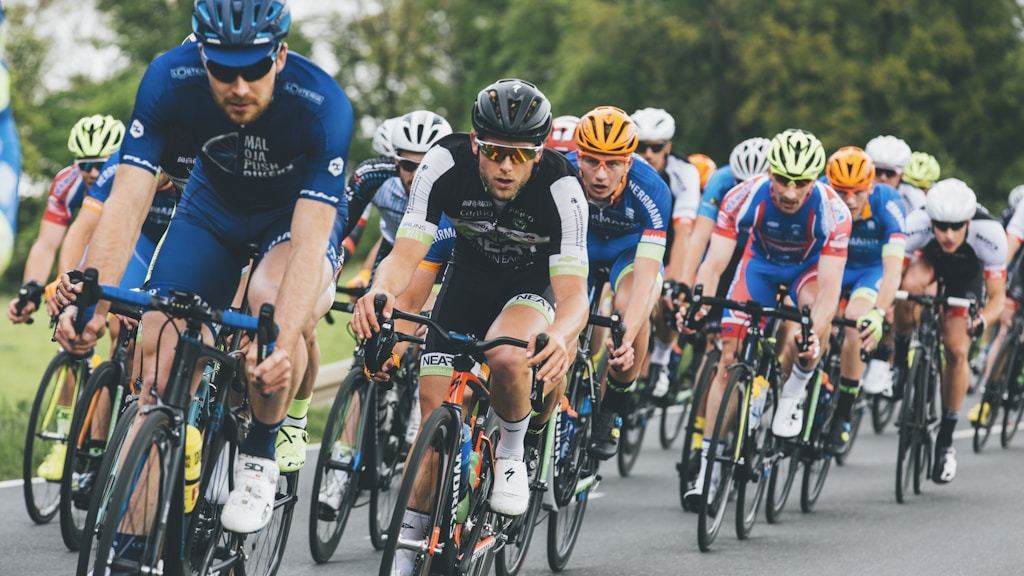
How Many Calories Does Sprinting Burn?
Sprinting burns approximately 15 to 20 calories per minute for most individuals, depending on body weight, intensity, and duration. As one of the most effective high-intensity exercises, sprinting significantly boosts calorie burn both during and after exercise due to excess post-exercise oxygen consumption (EPOC).
Understanding How Sprinting Burns Calories
Sprinting is a form of high-intensity interval training (HIIT) that engages fast-twitch muscle fibers and elevates heart rate rapidly. This intense effort requires substantial energy, leading to high caloric expenditure in a short time.
Factors That Influence Calorie Burn During Sprinting
- Body Weight: Heavier individuals burn more calories due to increased energy demands.
- Intensity: Maximal effort sprints burn significantly more than moderate runs.
- Duration and Frequency: Repeated sprints increase total energy expenditure.
- Fitness Level: Well-trained athletes may burn calories more efficiently but can sustain higher intensities.
- Terrain and Incline: Sprinting uphill or on resistance surfaces increases energy output.
Calories Burned in Sprinting vs. Other Exercises
Compared to steady-state cardio like jogging, sprinting burns more calories per minute and enhances metabolic rate post-workout. The afterburn effect (EPOC) can elevate calorie burn for up to 48 hours after a sprint session.
| Activity | Duration (min) | Body Weight (lbs) | Calories Burned |
|---|---|---|---|
| Sprinting (max effort) | 10 | 155 | 150 |
| Sprinting (max effort) | 10 | 185 | 180 |
| Running (6 mph) | 10 | 155 | 100 |
| Cycling (moderate) | 10 | 155 | 80 |
| Swimming (vigorous) | 10 | 155 | 130 |
| Jumping rope | 10 | 155 | 140 |
The data shows that sprinting at maximum effort burns more calories per minute than most common cardiovascular activities. A 155-lb person burns around 150 calories in just 10 minutes of sprinting, outperforming jogging and cycling. The higher metabolic demand makes sprinting one of the most efficient calorie-burning exercises available.
Maximizing Calorie Burn with Sprint Intervals
To optimize fat loss and fitness gains, incorporate sprint intervals into your routine:
- Warm-up: 5–10 minutes of light cardio and dynamic stretches.
- Sprint Protocol: 30 seconds all-out sprint followed by 90 seconds rest; repeat 6–10 times.
- Cool-down: 5–10 minutes of walking and static stretching.
- Frequency: 2–3 sessions per week for optimal recovery and results.
Benefits Beyond Calorie Burning
Besides high calorie expenditure, sprinting offers numerous health and performance benefits:
- Improves insulin sensitivity and metabolic health
- Builds lean muscle mass, especially in glutes, hamstrings, and quads
- Enhances cardiovascular endurance and lung capacity
- Boosts human growth hormone (HGH) production
- Reduces visceral fat more effectively than steady-state cardio
Frequently Asked Questions About Sprinting and Calorie Burn
How many calories does a 100-meter sprint burn?
A 100-meter sprint takes about 10–15 seconds at full effort and burns approximately 10–15 calories for an average adult. While the total burn seems low, repeated sprints accumulate significant calorie expenditure and trigger EPOC for continued fat burning.
Does sprinting burn more calories than running?
Yes, sprinting burns more calories per minute than steady-state running. For example, a 30-second sprint can burn as many calories as 5 minutes of jogging. Additionally, sprinting induces a stronger afterburn effect, increasing total daily energy expenditure.
Can sprinting help lose belly fat?
Yes, sprinting is highly effective for reducing belly fat. Studies show high-intensity efforts like sprinting lead to greater visceral fat loss compared to moderate cardio. Combined with a healthy diet, sprinting accelerates overall fat loss, including abdominal areas.
Is sprinting safe for beginners?
Sprinting places high demand on muscles and joints, so beginners should build a base of fitness first. Start with walk-sprint intervals (e.g., 30 seconds sprint, 2 minutes walk) and ensure proper warm-up. Consult a healthcare provider if you have pre-existing conditions.
How often should I sprint to maximize fat loss?
For fat loss, 2–3 sprint sessions per week are sufficient. Each session should last 15–20 minutes including warm-up and cool-down. More frequent sprinting may lead to overtraining and injury without adequate recovery.
More Articles
 Where to Buy Garmin Swim 2 in 2025
 Where to Buy Swimming Noodles Online & In-Store (2025)
 Sports Training Checklist: Measurable Goals
 How Many Gallons in an Average Swimming Pool?
 Cycling Helmets Safety Guide: How to Choose, Fit, and Wear a Bike Helmet Correctly
 When Does Katie Ledecky Swim Next? 2025 Schedule & Events
 How Tall Are Hurdles in Track Events?
 Why Is China So Good at Diving? Secrets Behind Dominance
 Olympic Hurdle Heights by Event & Gender
 Can Cows Swim? Yes, Here's How and Why