What Muscles Does Swimming Use? Full Breakdown
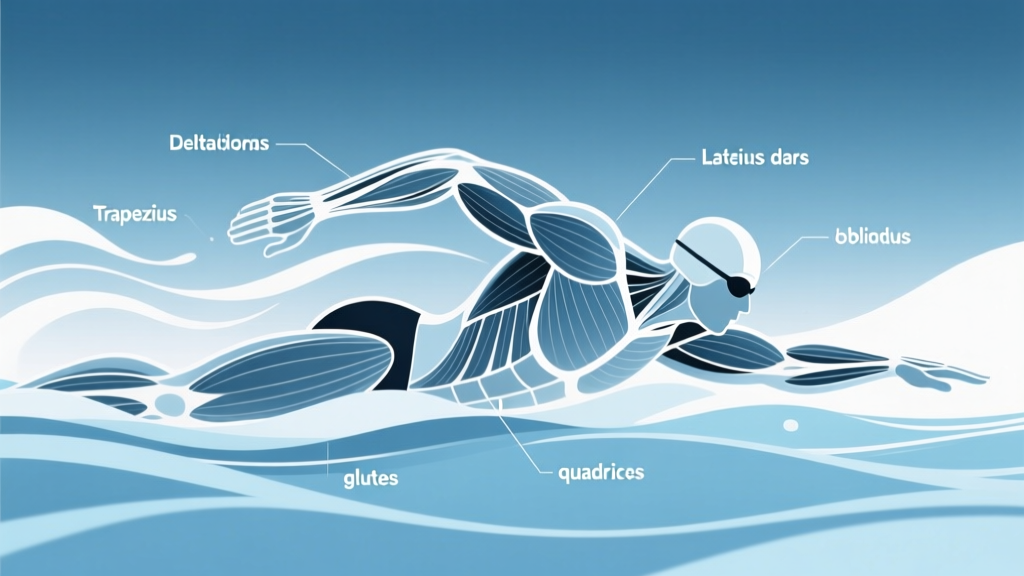
Swimming is a full-body workout that primarily engages the deltoids, pectorals, latissimus dorsi, triceps, core muscles (including rectus abdominis and obliques), glutes, quadriceps, and hamstrings. Each stroke emphasizes different muscle groups, making swimming an efficient way to build strength, endurance, and muscular balance.
How Swimming Engages Major Muscle Groups
Swimming activates nearly every major muscle group in the body. Unlike isolated weight training, swimming combines resistance and cardiovascular exercise, leading to balanced muscular development. The water's natural resistance forces muscles to work harder with less joint impact.
Upper Body Muscles Used in Swimming
- Deltoids: Critical for shoulder rotation and arm recovery in all strokes.
- Pectoralis Major: Drives forward motion during the pull phase, especially in freestyle and butterfly.
- Latissimus Dorsi: Provides power during the underwater pull and contributes to a strong finish.
- Triceps: Extend the arms during propulsion, particularly important in breaststroke and freestyle.
- Rhomboids & Trapezius: Stabilize the scapula and support long-distance stroke efficiency.
Core Muscles Activated While Swimming
The core acts as a stabilizing bridge between upper and lower body movements. Consistent engagement improves body alignment and reduces drag.
- Rectus Abdominis: Engaged during body roll and kick coordination.
- Obliques: Assist in rotational movements, especially in freestyle and backstroke.
- Erector Spinae: Maintains proper spinal posture and prevents sinking hips.
- Transverse Abdominis: Provides deep core stability throughout each stroke cycle.
Lower Body Muscles Worked During Swimming
While often underestimated, the legs play a vital role in propulsion and balance.
- Gluteus Maximus: Powers the downward kick in flutter and dolphin kicks.
- Quadriceps: Drive the upward phase of the breaststroke kick.
- Hamstrings: Control leg flexion and contribute to powerful kicks.
- Calves (Gastrocnemius & Soleus): Essential for ankle flexibility and effective foot propulsion.
Muscle Activation by Swim Stroke
Different strokes emphasize unique muscle activation patterns. Understanding these helps swimmers target specific areas for training or rehabilitation.
| Swim Stroke | Primary Upper Body Muscles | Primary Lower Body Muscles | Core Engagement Level |
|---|---|---|---|
| Freestyle | Deltoids, Lats, Pecs, Triceps | Quads, Glutes, Calves | High |
| Backstroke | Deltoids, Lats, Traps, Triceps | Quads, Hamstrings, Glutes | High |
| Breaststroke | Pecs, Biceps, Front Deltoids | Quads, Glutes, Inner Thighs | Medium |
| Butterfly | Lats, Delts, Pecs, Triceps | Glutes, Hamstrings, Calves | Very High |
| Kicking (Flutter) | N/A | Quads, Glutes, Hip Flexors | Medium |
The table shows that butterfly demands the highest core engagement due to its undulating body motion, while freestyle and backstroke rely heavily on latissimus dorsi for propulsion. Breaststroke uniquely targets inner thigh muscles, making it beneficial for hip adductor development.
Benefits of Full-Body Muscle Activation in Swimming
Because swimming recruits multiple muscle groups simultaneously, it offers several advantages over land-based exercises:
- Improved muscular endurance: Continuous movement builds stamina across all major muscle chains.
- Enhanced neuromuscular coordination: Synchronized breathing and limb movement improve motor control.
- Low-impact strength building: Water supports joints, reducing injury risk while increasing resistance load.
- Greater caloric expenditure: Engaging more muscles increases energy demand, aiding fat loss and fitness gains.
Frequently Asked Questions About What Muscles Swimming Uses
Does swimming build chest muscles?
Yes, swimming—especially freestyle, butterfly, and breaststroke—strongly activates the pectoralis major. The pulling motions compress and contract the chest muscles, promoting hypertrophy over time with consistent training.
Can swimming give you abs?
Abs are built through low body fat and consistent core engagement. Swimming continuously activates the rectus abdominis and obliques for stabilization, contributing to core strength and definition when combined with proper nutrition.
Why do swimmers have broad shoulders?
Swimmers develop broad shoulders due to hypertrophy of the deltoids and upper back muscles like the trapezius and latissimus dorsi. These muscles adapt to repetitive overhead motions, creating a V-shaped torso common among elite swimmers.
Is swimming good for building leg muscles?
Yes, kicking motions engage the quadriceps, hamstrings, glutes, and calves. While not as intense as weightlifting, regular swim training improves leg endurance and tone, especially with drills using fins or resistance equipment.
Which swim stroke works the most muscles?
The butterfly stroke engages the most muscle groups simultaneously, including high activation of the core, lats, pecs, shoulders, and legs. Its demanding nature makes it the most physically intensive stroke, burning the most calories per session.
More Articles
 How Many Gallons in an Olympic Pool?
 Can Cows Swim? Yes, Here's How and Why
 7 Alternatives to Game UK for Gaming Hardware in 2026
 Who Owns the World Equestrian Center? Full Ownership Guide
 Rowing Machine Muscles Worked: Full-Body Breakdown
 How Much Do MotoGP Riders Make? (2025 Salaries)
 Sports Equipment Maintenance: How to Clean and Store Your Gear for Longevity
 When Is Ice Hockey Season? NHL & Global Leagues Schedule
 What Events Did Michael Phelps Swim? Full List
 How Much Is a Small Inground Swimming Pool?