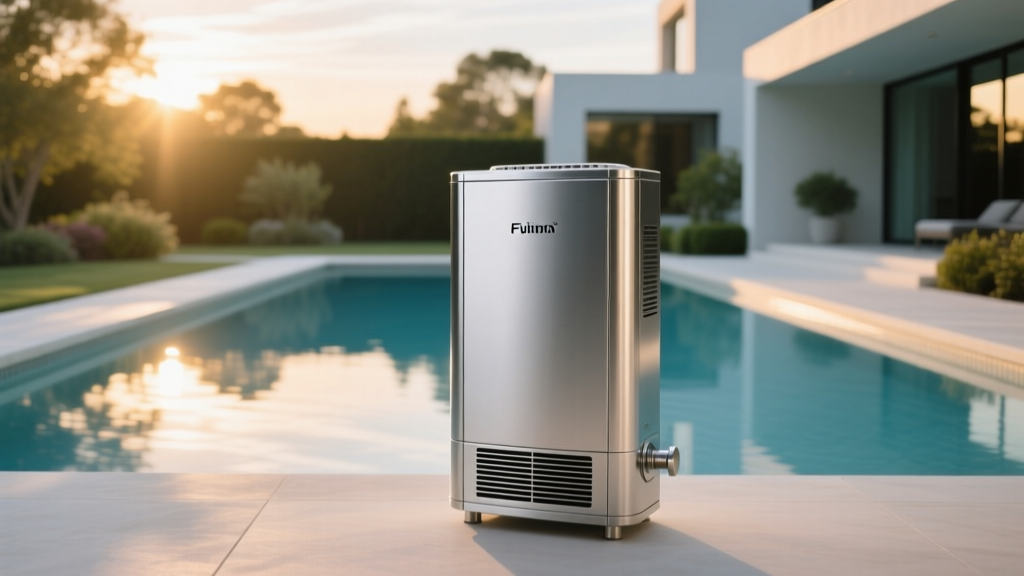
How Much Is a Swimming Pool Heater? Costs & Types
A swimming pool heater typically costs between $1,500 and $4,500 for the unit alone, with installation bringing total expenses to $2,000–$7,000 depending on type, size, and energy source. Heat pump and solar heaters offer lower operating costs over time, while gas heaters have higher efficiency in colder climates but cost more to run.
Types of Swimming Pool Heaters
There are several types of pool heaters available, each with distinct advantages and price points. Choosing the right one depends on your climate, pool size, usage frequency, and energy preferences.
Gas Pool Heaters
Gas heaters use natural gas or propane to heat pool water quickly and efficiently, making them ideal for sporadic use or cooler climates.
- Best for: Cold climates or occasional heating needs
- Heating speed: Fast (can raise temperature significantly in hours) \li>
- Fuel source: Natural gas or propane
- Lifespan: 5–10 years
Heat Pump Pool Heaters
These units extract heat from the surrounding air and transfer it to the pool water. They are highly efficient but work best in moderate to warm climates.
- Best for: Warm climates with consistent temperatures above 50°F
- Heating speed: Slower than gas (takes days to reach desired temp)
- Fuel source: Electricity
- Lifespan: 10–15 years
Solar Pool Heaters
Solar heaters use solar collectors to absorb sunlight and warm circulating pool water. They have high upfront costs but minimal operating expenses.
- Best for: Sunny regions with ample roof space
- Heating speed: Slowest, dependent on weather and sun exposure
- Fuel source: Sunlight
- Lifespan: 15–20 years
Electric Resistance Heaters
Commonly used for small pools or spas, these heaters directly heat water using electric elements. They are simple but expensive to operate at scale.
- Best for: Indoor pools, spas, or small installations
- Heating speed: Moderate
- Fuel source: Electricity
- Lifespan: 8–12 years
Factors That Affect Pool Heater Cost
Several variables influence the total cost of purchasing and installing a swimming pool heater:
Pool Size and Volume
Larger pools require more powerful heaters, increasing both equipment and installation costs. A heater must be properly sized to match the pool's volume for optimal efficiency.
Climate and Usage Patterns
Colder regions may require gas heaters or heat pumps with auxiliary heating. Frequent swimmers benefit from faster-heating systems like gas or high-capacity heat pumps.
Energy Efficiency and Operating Costs
While initial purchase price is important, long-term operating costs vary widely:
- Gas heaters: Higher fuel costs, especially with frequent use
- Heat pumps: Lower running costs but limited effectiveness below 50°F
- Solar: Highest upfront cost, lowest ongoing expense
Installation Complexity
Installation can add $500–$2,500 depending on plumbing, electrical upgrades, permits, and local labor rates. Solar systems often require roof modifications and additional piping.
| Heater Type | Average Unit Cost | Installation Cost | Total Average Cost | Annual Operating Cost (1,000 sq ft pool) | Efficiency (COP or Thermal) |
|---|---|---|---|---|---|
| Gas (Natural) | $1,800–$3,500 | $500–$1,500 | $2,300–$5,000 | $800–$1,500 | 0.80–0.85 (80–85% efficient) |
| Propane Gas | $2,000–$4,000 | $600–$1,600 | $2,600–$5,600 | $1,200–$2,000 | 0.80–0.85 |
| Heat Pump (Air-Source) | $2,000–$4,500 | $800–$2,000 | $2,800–$6,500 | $300–$600 | COP: 3.0–5.0 |
| Solar Heater System | $3,000–$6,000 | $1,000–$2,500 | $4,000–$8,500 | $50–$150 | 70–90% thermal efficiency |
| Electric Resistance | $500–$1,500 | $500–$1,200 | $1,000–$2,700 | $1,000–$2,500 | ~1.0 COP |
The data shows that while solar and heat pump systems have higher initial investment, their annual operating costs are significantly lower than gas or electric resistance models. Heat pumps deliver 3–5 times more heat energy per unit of electricity consumed (COP 3–5), making them highly efficient in suitable climates. Solar systems offer the lowest long-term costs but depend heavily on geographic location and seasonal sunlight availability.
How to Choose the Right Pool Heater
Selecting the best heater involves balancing upfront cost, operating efficiency, climate suitability, and personal usage habits.
Assess Your Climate Zone
In warmer areas (Zones 1–3), heat pumps perform exceptionally well. In colder zones (4–5), gas heaters may be more reliable despite higher fuel costs.
Calculate Pool Surface Area and Volume
Use the formula: length × width × average depth = volume in cubic feet. Then multiply by 7.5 to get gallons. This helps determine BTU requirements.
Evaluate Energy Availability
Ensure access to required utilities: natural gas line, propane tank, dedicated electrical circuit, or unshaded roof space for solar collectors.
Consider Long-Term Ownership Costs
Factor in not just purchase and installation, but also maintenance, repairs, and energy bills over 5–15 years.
Frequently Asked Questions About Swimming Pool Heaters
How much does it cost to run a pool heater per month?
Operating costs vary by type: gas heaters cost $150–$300/month during peak season; heat pumps $60–$120/month; solar systems cost under $20/month for pump operation only. Electric resistance heaters can exceed $300/month.
Are heat pump pool heaters worth the investment?
Yes, in moderate climates. Though initially more expensive, heat pumps use less energy and can save $500+ annually compared to gas heaters. With a lifespan of 10–15 years, they often pay for themselves over time.
Can I install a pool heater myself?
DIY installation is not recommended due to safety risks, code compliance issues, and warranty voids. Licensed professionals are required for gas lines, electrical connections, and pressure testing.
Do solar pool heaters work in winter?
Solar heaters are less effective in winter, especially in northern climates where sunlight is limited and temperatures drop. They're best used in spring, summer, and fall. Some systems include freeze protection, but performance declines below 50°F ambient temperature.
How long do pool heaters last?
Gas heaters last 5–10 years; heat pumps 10–15 years; solar systems 15–20 years with proper maintenance. Regular servicing extends lifespan and maintains efficiency.
More Articles
 What Muscles Does Swimming Use? Full Breakdown
 Best Football Cleats for Wide Receivers: 2026 Speed and Agility Guide
 How Deep Are Olympic Diving Pools? 5m Minimum
 How Fast Do Race Walkers Walk? Elite Speeds Revealed
 How Many Periods in an Ice Hockey Game? (Explained)
 Who Started Parkour? David Belle's Origin Story
 How Deep Can You Scuba Dive? Depth Limits Explained
 Best Cricket Bats for Beginners: Complete Guide to Choosing Your First Bat
 How Thick Is an Ice Hockey Rink?
 How Many Gallons in an Average Swimming Pool?