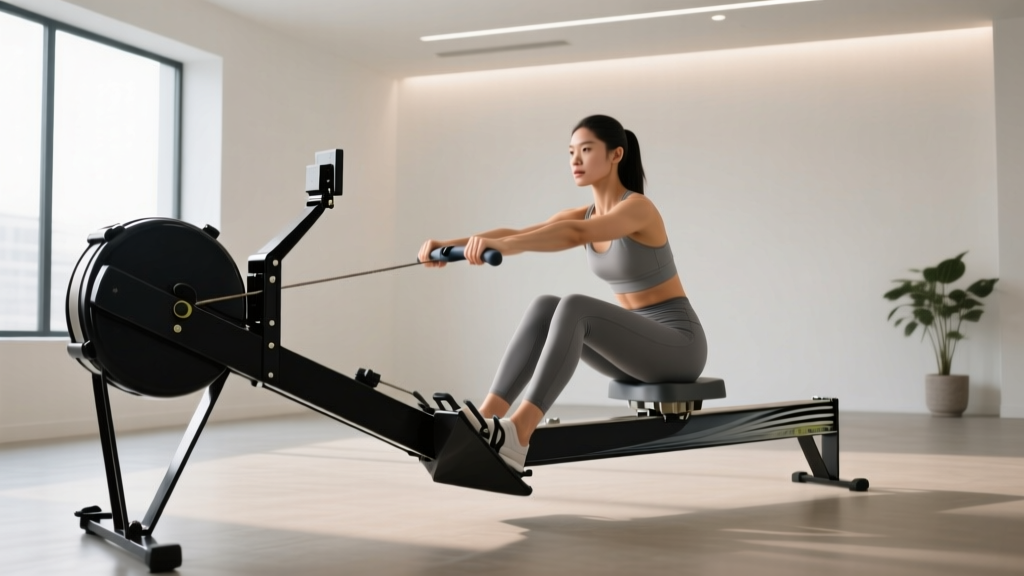
What Does a Rowing Machine Workout Do?
A rowing machine workout is a full-body, low-impact cardiovascular and strength training exercise that mimics the motion of water rowing, engaging over 85% of major muscle groups including legs, back, arms, and core, while efficiently burning calories and improving endurance.
What Is a Rowing Machine Workout?
A rowing machine workout involves using a cardio machine designed to simulate the physical action of rowing on water. It provides a rhythmic, repetitive motion that combines both aerobic and anaerobic elements, making it ideal for building stamina, muscular endurance, and cardiovascular health. Unlike high-impact exercises such as running, rowing is gentle on the joints while still delivering intense results.
How Does a Rowing Machine Work?
Rowing machines use different resistance systems—magnetic, air, hydraulic, or water—to create drag during the stroke cycle. The most common type, air resistance rowers (like Concept2), increase resistance with faster strokes, offering a dynamic challenge.
- Legs: Provide 60–70% of the power in each stroke
- Core: Stabilizes the body during the drive and recovery phases
- Back and Shoulders: Engage during the pull phase
- Arms: Finish the stroke by pulling the handle toward the lower ribs
Benefits of a Rowing Machine Workout
Rowing delivers comprehensive fitness benefits due to its compound movement pattern and sustained rhythmic nature.
Full-Body Muscle Engagement
Unlike cycling or elliptical training, which primarily target lower-body muscles, rowing activates upper and lower body simultaneously. This makes it one of the most efficient workouts for total-body conditioning.
Cardiovascular Health Improvement
Regular rowing improves heart and lung function. Studies show consistent rowing exercise can reduce resting heart rate, lower blood pressure, and enhance VO2 max—the body’s ability to utilize oxygen during exercise.
Low-Impact, Joint-Friendly Exercise
The seated position and smooth gliding motion minimize stress on knees, hips, and ankles. This makes rowing ideal for people recovering from injury, older adults, or those with joint sensitivities.
Calorie Burn and Weight Management
Depending on intensity and user weight, rowing can burn between 400 and 800 calories per hour. High-Intensity Interval Training (HIIT) sessions on a rower are particularly effective for fat loss and metabolic conditioning.
| Workout Type | Duration (min) | Intensity | Calories Burned (155 lb person) | Primary Benefit |
|---|---|---|---|---|
| Steady-State Rowing | 30 | Moderate | 260 | Endurance, Fat Burning |
| Interval Training (HIIT) | 20 | High | 315 | Metabolic Boost, Cardio Fitness |
| Sprint Intervals | 15 | Very High | 220 | Power, Anaerobic Capacity |
| Long-Distance Row | 60 | Low-Moderate | 520 | Aerobic Base Building |
| Circuit Row + Strength | 45 | Moderate-High | 400 | Strength & Conditioning |
The table illustrates how varying workout types on a rowing machine yield different caloric expenditures and fitness outcomes. HIIT-style rowing burns more calories per minute than steady-state, making it time-efficient. Long-duration sessions support aerobic development and fat oxidation, while circuit formats blend strength and cardio for holistic fitness gains.
Proper Rowing Technique: The Stroke Cycle
Mastering technique ensures safety and maximizes efficiency. The stroke consists of four phases:
- Catch: Body leaned slightly forward, shins vertical, arms extended
- Drive: Push through legs first, then engage hips and back, finally pull arms
- Finish: Handle at lower ribs, elbows pulled back, slight layback
- Recovery: Reverse the sequence: arms out, hinge at hips, then bend knees
Common mistakes include pulling with arms too early, rounding the back, or rushing the recovery. Focus on rhythm and sequencing for optimal performance.
Who Can Benefit From Rowing Machine Workouts?
Rowing is suitable for a wide range of individuals due to its scalability and low injury risk.
- Beginners: Can start at low resistance and build form gradually
- Athletes: Use rowing for cross-training, endurance, and off-season conditioning
- Weight Loss Seekers: Benefit from high calorie burn and muscle engagement
- Older Adults: Enjoy cardiovascular benefits without joint strain
- Rehab Patients: Often prescribed by physical therapists for safe mobility work
Frequently Asked Questions About Rowing Machine Workouts
Is 20 minutes of rowing enough for a good workout?
Yes, 20 minutes of rowing can be highly effective, especially if done at high intensity or using interval training. A well-structured 20-minute HIIT session on a rower can improve cardiovascular fitness, boost metabolism, and burn significant calories—up to 300 for an average adult.
Does rowing burn belly fat?
Rowing contributes to overall fat loss, including visceral fat around the abdomen, by creating a calorie deficit and increasing metabolic rate. While spot reduction is not possible, consistent rowing combined with proper nutrition leads to reduced body fat percentage and improved core definition over time.
Can you get in shape just by rowing?
Yes, rowing alone can get you in excellent cardiovascular and muscular shape due to its full-body engagement. For best results, combine it with proper nutrition and optionally supplement with strength or flexibility training. Many elite athletes maintain peak conditioning with rowing as a primary modality.
How often should you use a rowing machine?
For general fitness, 3–5 sessions per week of 20–60 minutes are recommended. Beginners should start with 3 days/week to allow adaptation, while advanced users may train daily using periodization (alternating intensity). Include rest or active recovery days to prevent overuse injuries.
Is rowing better than running?
Rowing and running offer different advantages. Rowing is low-impact and works more muscle groups, making it better for joint health and full-body conditioning. Running typically burns more calories per minute and improves bone density but carries higher injury risk. The best choice depends on goals, fitness level, and physical condition.
More Articles
 How Much Is a Swimming Pool Heater? Costs & Types
 Where to Watch MotoGP 2025 Live Worldwide
 How Much Does a Go-Kart Cost in 2025?
 Field Hockey Match Duration: Official Times (2026)
 What Does Icing Mean in Hockey? Explained
 Volleyball Knee Pads: Size and Fit Guide
 Best Volleyball Shoes for Liberos: Lightweight and Responsive Picks for 2026
 How Many Swim Laps Is a Mile? By Pool Size Explained
 Where to Swim with Sea Turtles Safely & Ethically
 Why Do Water Polo Players Wear Caps?