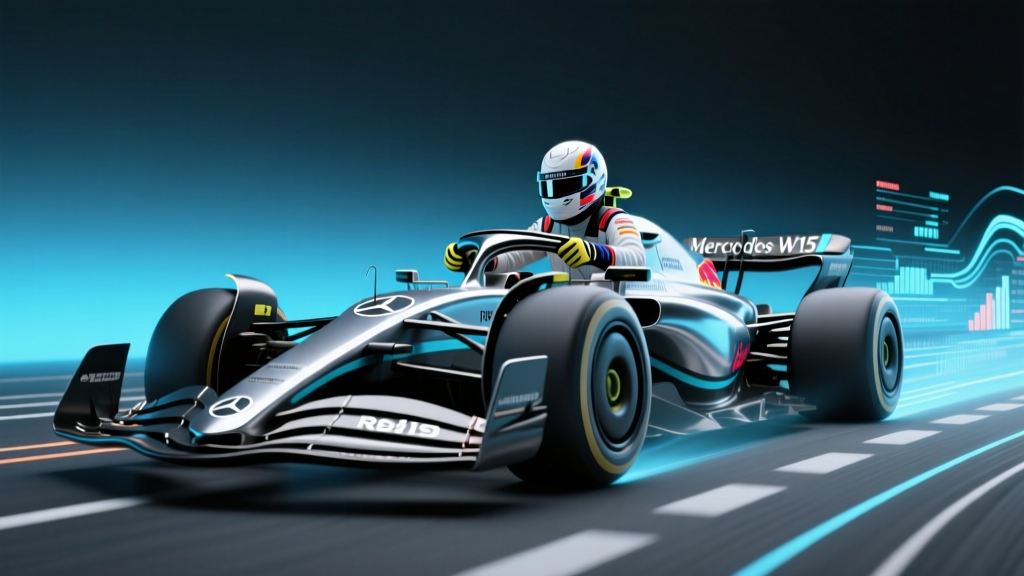
How Much Do F1 Drivers Earn in 2025?
How Much Does a Formula 1 Driver Earn? (2025)
In 2025, the average Formula 1 driver earns between $1 million and $55 million annually, with top earners like Max Verstappen and Lewis Hamilton making over $40 million per year. Salaries vary significantly based on performance, team, sponsorships, and marketability.
Understanding Formula 1 Driver Earnings
Formula 1 is one of the most prestigious and lucrative motorsports in the world. While prize money is awarded to teams, individual driver salaries are negotiated privately and can vary widely. A driver's income typically includes base salary, performance bonuses, and endorsement deals.
Factors Influencing F1 Driver Salaries
- Team Performance: Drivers in top teams like Red Bull, Mercedes, or Ferrari earn significantly more.
- Race Results: Bonuses for podium finishes, pole positions, and championships increase total earnings.
- Experience & Reputation: Champions like Fernando Alonso or Lewis Hamilton command higher pay due to legacy and brand value.
- Marketability: Drivers with global appeal attract more sponsorships and media deals.
- Contract Length: Multi-year contracts may include deferred payments or equity options.
Highest-Paid F1 Drivers in 2025
The disparity between top earners and mid-tier drivers remains vast. Below is a detailed breakdown of current salaries among leading F1 drivers.
| Driver | Team (2025) | Base Salary (USD) | Bonuses & Incentives | Total Estimated Earnings |
|---|---|---|---|---|
| Max Verstappen | Red Bull Racing | $40,000,000 | $10,000,000+ | $50,000,000+ |
| Lewis Hamilton | Ferrari | $38,000,000 | $7,000,000 | $45,000,000 |
| Charles Leclerc | Ferrari | $22,000,000 | $5,000,000 | $27,000,000 |
| Carlos Sainz | Sauber (Audi) | $18,000,000 | $4,000,000 | $22,000,000 |
| George Russell | Mercedes | $15,000,000 | $3,000,000 | $18,000,000 |
| Lando Norris | McLaren | $12,000,000 | $3,000,000 | $15,000,000 |
| Oscar Piastri | McLaren | $6,000,000 | $1,000,000 | $7,000,000 |
| Valtteri Bottas | Sauber (Audi) | $8,000,000 | $1,500,000 | $9,500,000 |
| Yuki Tsunoda | RB | $2,000,000 | $500,000 | $2,500,000 |
| Nyck de Vries | AlphaTauri | $1,200,000 | $300,000 | $1,500,000 |
The data shows a clear hierarchy in earnings, with Red Bull and Ferrari drivers dominating the top tier. Max Verstappen's contract reflects his championship consistency and market dominance. Meanwhile, newer drivers like Oscar Piastri earn significantly less but still command multi-million-dollar deals due to long-term potential. Mid-field teams offer lower base salaries, relying more on performance incentives.
Breakdown of Income Components
An F1 driver’s total compensation consists of several elements beyond just salary.
Base Salary
This is the guaranteed annual payment from the team. Top drivers receive tens of millions regardless of race outcomes.
Performance Bonuses
- Pole position: $100,000–$500,000
- Podium finish: $250,000–$1 million
- Winning a Grand Prix: $1–3 million
- World Championship title: $5–10 million bonus
Endorsements and Sponsorships
Top drivers often earn more from personal branding than their team salary. For example, Lewis Hamilton has partnerships with Tommy Hilfiger, Puma, and IWC Schaffhausen, adding an estimated $10–15 million annually.
Appearance Fees and Media Engagements
Drivers participate in promotional events, brand launches, and TV appearances, which can bring in additional income ranging from $50,000 to $500,000 per event for elite names.
Salary Trends Over Time
F1 driver salaries have risen steadily due to increased global broadcasting rights, sponsorship inflows, and commercialization. The introduction of the cost cap in 2021 limited team spending, but top driver salaries remain unaffected due to their irreplaceable brand value.
Notably, younger talents are now securing better initial contracts thanks to strong junior series performances and digital fan engagement metrics.
Frequently Asked Questions About F1 Driver Salaries
Who is the highest-paid F1 driver in 2025?
Max Verstappen is the highest-paid Formula 1 driver in 2025, earning an estimated $50 million including salary and bonuses from Red Bull Racing.
Do all F1 drivers earn millions?
No, not all F1 drivers earn millions. While top drivers make $10M+, rookies and backmarker drivers may earn between $500,000 and $2 million, sometimes even less if they bring personal sponsorship.
How much do F1 drivers earn per race?
On average, top drivers earn $1–2 million per race when factoring in prorated salary and win bonuses. However, this varies greatly depending on performance and contract terms.
Are F1 driver salaries public?
No, F1 driver salaries are not officially disclosed. Figures are estimated through industry reports, leaks, and financial disclosures by parent companies like Mercedes-Benz or Ferrari N.V.
Do female F1 drivers get paid less?
There are currently no full-time female F1 drivers in 2025. Historically, gender hasn’t been a direct factor in pay—compensation depends on experience, results, and negotiation power. Future female entrants will likely be paid competitively based on merit.
More Articles
 When Was Ice Hockey Invented? Origins & History
 How Many Laps Is 1500 Meters in Swimming?
 Ideal Chlorine Level for Swimming Pool (1.0–3.0 ppm)
 Soccer Offside Rule Explained: When, Why & How It Works (2026)
 How High Can You Jump on the Moon? (6x Higher)
 How Fast Can a Human Swim? Top Speeds Revealed
 How Fast Are Go Karts? Top Speeds by Class
 Cheap vs Premium Practical: Real-World Trade-Offs in Everyday Tools, Gear, and Home Essentials
 Who Won the High Jump Today? Mahuchikh & Barshim Claim Gold
 How Many Laps Is 800 Meters Swimming?