How Fast Can a Go-Kart Go? Top Speeds by Type
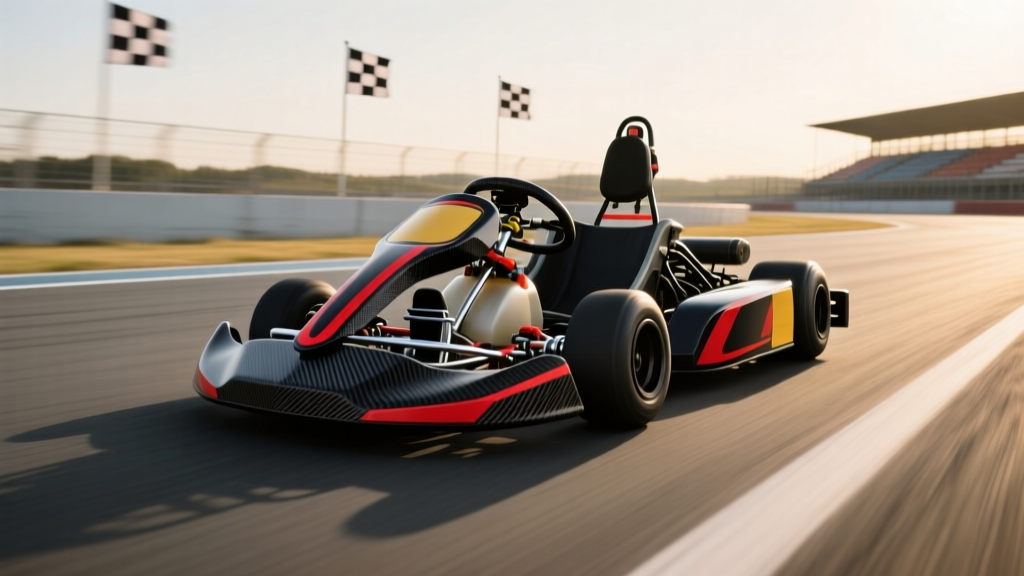
Go-karts can reach speeds from 25 mph in recreational models to over 160 mph in high-performance racing karts, depending on engine type, track conditions, and driver experience.
Understanding Go-Kart Speed: What Determines How Fast They Go?
The top speed of a go-kart varies widely based on its design, engine power, and usage environment. While casual riders at entertainment venues may only experience speeds up to 35–45 mph, professional racing karts on dedicated circuits can exceed 160 mph under optimal conditions.
Key Factors Influencing Go-Kart Speed
- Engine Type and Displacement: Electric vs. gasoline, two-stroke vs. four-stroke engines significantly impact acceleration and top speed.
- Kart Class: Recreational, rental, semi-pro, and professional racing karts each have different performance standards.
- Track Conditions: Surface type, length, elevation changes, and weather affect real-world performance.
- Driver Weight and Skill: Heavier drivers may see reduced acceleration; experienced drivers optimize cornering and throttle control.
- Aerodynamics and Chassis Design: Lightweight frames and improved airflow enhance speed efficiency.
Different Types of Go-Karts and Their Speed Ranges
Not all go-karts are built for the same purpose. The intended use—whether for fun, training, or competition—determines their maximum velocity.
Recreational and Rental Karts
Found at indoor tracks and amusement parks, these karts prioritize safety and durability over speed. Most are limited electronically or mechanically to 25–45 mph.
Electric Go-Karts
Gaining popularity due to low maintenance and instant torque, electric karts range from 40–70 mph. High-end models like those used in professional series (e.g., Formula E’s support races) can hit 80+ mph.
Professional Racing Karts
Used in competitive karting such as KZ1, Superkart, or Formula Rotax categories, these machines feature powerful two-stroke or four-stroke engines capable of 100–160+ mph.
| Kart Type | Engine | Top Speed (mph) | 0-60 mph Time (s) | Common Use |
|---|---|---|---|---|
| Rental Kart | 200cc 4-stroke | 25–35 | 8.0+ | Indoor Tracks |
| Semi-Pro Electric | 48V Brushless | 45–60 | 5.5 | Outdoor Recreation |
| Superkart | 250cc Two-Stroke | 150–160 | 3.0 | Racing Circuits |
| Formula EO (Electric Race) | 120kW Motor | 80–90 | 3.2 | Pro Electric Series |
| Rotax Max DD2 | 125cc Two-Stroke | 100–110 | 3.8 | International Karting |
The data shows that engine technology is the primary driver of performance differences. Superkarts with 250cc two-stroke engines achieve near-motorcycle levels of speed and acceleration, while rental karts sacrifice performance for safety and longevity. Electric models are closing the gap in mid-tier applications but still lag behind top-tier combustion engines in peak speed.
How Track and Environmental Conditions Affect Speed
Even the fastest go-kart won’t reach its potential without an appropriate track. Long straights, smooth asphalt, and minimal wind resistance allow higher speeds. Conversely, tight indoor tracks limit top-end velocity regardless of engine power.
Impact of Tire Grip and Suspension
Better tires increase traction, allowing faster corner exits and more aggressive throttle use. Most recreational karts lack suspension, reducing stability at high speeds. Professional setups include adjustable rear axles and specialized tire compounds.
Altitude and Temperature
Higher elevations reduce air density, lowering engine output—especially in naturally aspirated engines. Cooler temperatures improve combustion efficiency and battery performance in electric models.
Frequently Asked Questions About Go-Kart Speed
How fast do professional racing go-karts go?
Professional go-karts, such as Superkarts with 250cc two-stroke engines, can reach speeds of 150–160 mph on long circuits. Smaller international classes like Rotax Max typically max out around 100–110 mph.
Are electric go-karts faster than gas-powered ones?
In most cases, no. While electric karts offer quicker initial acceleration due to instant torque, high-end gas-powered karts still achieve higher top speeds. However, elite electric racing karts are approaching parity in mid-range performance.
What is the fastest go-kart ever recorded?
The world's fastest go-kart is the Daymak C5 Blast, an electric model that can accelerate from 0 to 60 mph in 1.5 seconds and reach 80 mph. However, this is not a standard racing kart. In regulated racing, Superkarts hold the speed records at around 160 mph.
Can a go-kart beat a car in a race?
On a short drag strip, most production cars would win. But on a technical circuit, go-karts often outperform even high-end sports cars due to superior cornering grip, lightweight design, and low center of gravity—giving them better lap times despite lower top speed.
Why are rental go-karts slower than racing karts?
Rental karts are designed for safety and durability. They use smaller engines, have speed governors, heavier frames, and basic tires. These limitations protect novice drivers and reduce maintenance costs, capping speeds typically between 25 and 45 mph.
More Articles
 How Much Water Is in an Olympic-Sized Swimming Pool?
 How Long Is the English Channel Swim?
 What Year Was Swimming Added to the Olympics?
 How Much Do MotoGP Bikes Cost in 2025?
 What Time Is MotoGP on TV Today? Live Schedule 2025
 Best Sports for Beginners: 10 Easy and Fun Games to Start Today
 Olympic Pool Depth: Official 2026 Standards
 Where Was Ice Hockey Invented? The True Origin Revealed
 How High Are Hurdles in the Olympics? By Event & Gender
 How Fast Are Go Karts? Top Speeds by Class