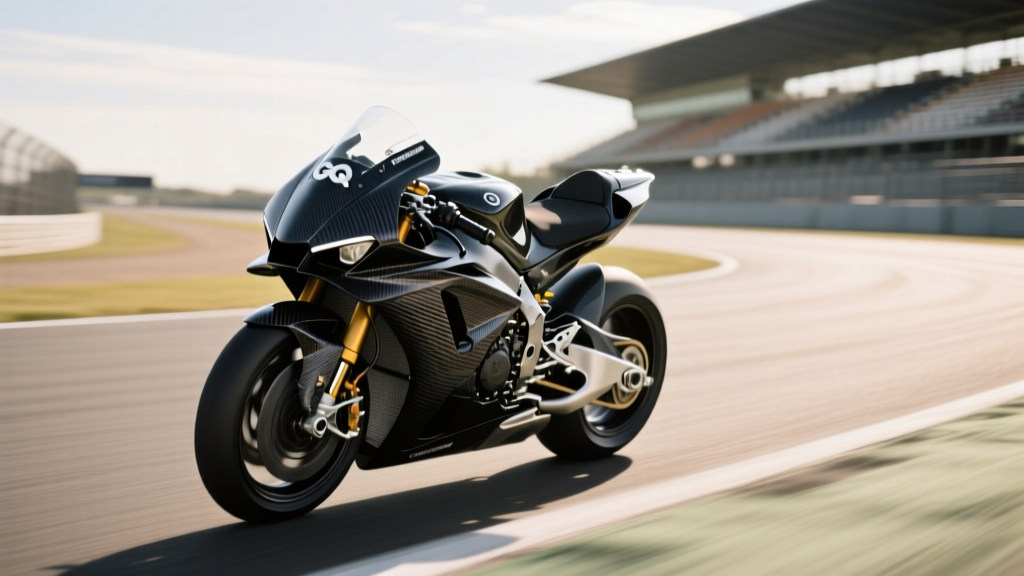
How Much Do MotoGP Bikes Cost in 2025?
MotoGP bikes typically cost between $2 million and $3.5 million USD, with full team budgets exceeding $10 million annually due to R&D, personnel, and operational expenses.
What Determines the Cost of a MotoGP Bike?
The price of a MotoGP motorcycle isn't just about parts—it reflects cutting-edge engineering, exclusive materials, and continuous development. Unlike production bikes, these machines are custom-built prototypes designed for peak performance under extreme conditions.
Key Factors Influencing MotoGP Bike Costs
- Advanced Materials: Extensive use of carbon fiber, titanium, and aerospace-grade aluminum.
- Engine Development: Highly specialized 1000cc inline-four engines tuned for maximum power and reliability.
- Electronics Suite: Custom ECU software, traction control, wheelie control, engine braking management, and data analytics systems.
- Aerodynamics: Wind-tunnel-tested fairings and wings that enhance downforce and stability at speeds over 350 km/h.
- Team Infrastructure: Salaries for engineers, mechanics, logistics staff, and testing programs contribute significantly to overall costs.
Breakdown of MotoGP Bike and Team Expenses
While the physical bike represents a major investment, the total financial commitment goes far beyond manufacturing one unit. Teams must account for ongoing R&D, spare parts, transport, and personnel.
| Component | Estimated Cost (USD) | Notes |
|---|---|---|
| Chassis & Frame | $300,000 | Custom carbon fiber subframes and swingarms |
| Engine (per unit) | $800,000 - $1,200,000 | Limited engine life per season; multiple units required |
| Electronics & Software | $250,000 | In-house developed algorithms and sensors |
| Aerodynamic Components | $150,000 | Wings, bodywork, wind tunnel testing |
| Suspension & Brakes | $100,000 | Öhlins or Showa custom units, Brembo brakes |
| Tires (season supply) | $300,000 | Supplied by official tire partner (e.g., Michelin) |
| R&D and Testing | $2,000,000+ | Includes dyno tests, track sessions, simulation |
| Team Operations (annual) | $7,000,000+ | Staff salaries, travel, logistics, garage setup |
The table highlights that while individual components like the engine or chassis carry high price tags, the largest portion of spending occurs in research, development, and team operations. A single bike may cost up to $3.5 million when factoring in all associated technology and labor.
Additionally, factory teams such as Ducati Lenovo, Yamaha Factory Racing, and Repsol Honda invest heavily in innovation, often surpassing $10 million per season. Satellite teams reduce costs through shared resources but still spend $5–7 million annually.
Factory vs. Satellite Team Bike Costs
There is a significant difference in expenditure between factory and satellite entries in MotoGP.
- Factory Teams: Receive full manufacturer support, latest-spec bikes, unlimited software development, and dedicated engineers.
- Satellite Teams: Use year-old chassis and restricted electronics, reducing initial outlay but limiting competitiveness.
For example, a 2025 Ducati Desmosedici GP25 used by the factory team includes proprietary aerodynamics and engine mapping unavailable to Pramac Racing or WithU Yamaha, which operate on tighter budgets.
Why Are MotoGP Bikes So Expensive?
Beyond raw materials, MotoGP bikes represent the pinnacle of two-wheeled motorsport engineering. Each component is optimized for performance, durability, and weight savings—often at the expense of cost-efficiency.
Examples of High-Cost Technologies
- Pneumatic Valve Springs: Allow engines to rev beyond 18,000 RPM without valve float.
- Seamless Shift Gearboxes: Enable gear changes without interrupting power delivery.
- Inertial Measurement Units (IMUs): Provide real-time lean angle, acceleration, and pitch data for electronic interventions.
- 3D-Printed Parts: Used for lightweight, complex internal geometries in air intakes and brackets.
These technologies are not mass-produced, making each part expensive to design, test, and manufacture.
Frequently Asked Questions About MotoGP Bike Costs
How much does a MotoGP bike cost in 2025?
As of 2025, a competitive MotoGP bike costs between $2 million and $3.5 million USD, depending on the manufacturer, technology package, and whether it's a current or previous-year specification.
Can you buy a MotoGP bike?
No, MotoGP bikes are not available for public purchase. They are prototype machines built exclusively for racing teams under FIM regulations. Manufacturers do not sell them due to safety, liability, and technological secrecy concerns.
Why are MotoGP bikes more expensive than Formula 1 cars?
While an F1 car has a higher total build cost (around $12–15 million), MotoGP bikes are more expensive per kilogram or horsepower. The key difference lies in scale—F1 benefits from larger teams and standardized parts, whereas MotoGP relies on smaller, hand-built components with extreme precision.
Do all MotoGP teams pay the same for their bikes?
No. Factory teams develop bikes in-house with full manufacturer backing, incurring higher R&D costs. Satellite teams lease bikes from factories for $3–5 million per season, receiving older models with limited upgrades.
Are there cost-saving regulations in MotoGP?
Yes. MotoGP enforces strict rules to control spending, including limits on the number of engines per rider per season (typically 7), restricted testing days, and standardized ECU hardware (Magneti Marelli). These measures help curb runaway development costs.
More Articles
 How Many Laps to Swim a Mile? By Pool Size
 Best Premium Sports Gear Guide
 How High Does Ronaldo Jump? 78 cm Vertical Revealed
 Long Jump Spikes Guide: How to Choose the Right Shoes for Maximum Distance
 Bungee Jumping Safety Checklist: 12 Must-Verify Items (2026)
 Golf Clubs for Beginners: Complete Set Guide with Club Types and Fitting Tips
 When Does Katie Ledecky Swim Next? 2025 Schedule & Events
 Have Any Swimmers Died Crossing the English Channel?
 How Much Do MotoGP Riders Make? (2025 Salaries)
 World Rules Essentials: The Foundational Standards That Shape Global Trade, Safety, and Digital Infrastructure