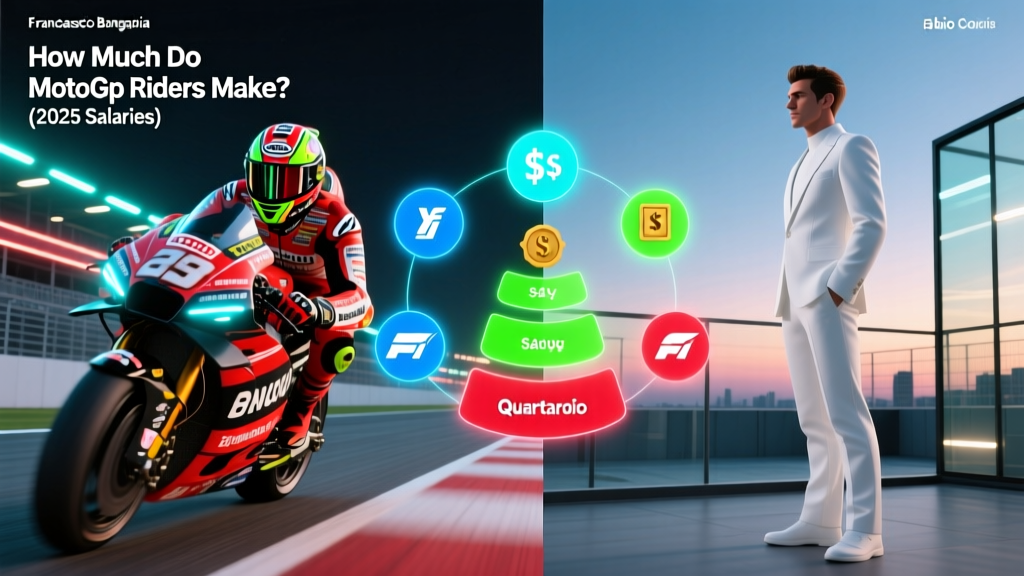
How Much Do MotoGP Riders Make? (2025 Salaries)
MotoGP riders' earnings vary widely, with top stars like Marc Márquez and Fabio Quartararo earning $10–$20 million annually in salary and bonuses, while lower-tier riders may make as little as $200,000, heavily dependent on team, performance, and sponsorship deals.
Understanding MotoGP Rider Salaries
MotoGP is the pinnacle of motorcycle racing, attracting elite talent from around the world. However, compensation across the grid varies dramatically based on experience, performance, team budget, and marketability. Unlike fully transparent sports leagues, exact rider incomes are often confidential, but estimates from contracts, team disclosures, and industry reports provide a clear picture of the financial landscape.
Rider salaries consist of three main components:
- Base Salary: Paid by the team or manufacturer, often tied to championship standing and experience.
- Performance Bonuses: Rewards for podium finishes, race wins, and championship positions.
- Sponsorship and Endorsements: Additional income from personal brand deals, especially for high-profile riders.
Top-tier factory riders from manufacturers like Honda, Yamaha, and Ducati command the highest figures, while satellite team riders earn significantly less, sometimes relying on personal sponsors to cover costs.
Factors That Influence MotoGP Earnings
Team Tier and Manufacturer Support
Factory teams backed directly by manufacturers (e.g., Monster Energy Yamaha, Red Bull KTM Factory Racing) offer higher salaries due to larger budgets and marketing value. Satellite teams, although part of the same manufacturer ecosystem, operate with reduced funding and pay accordingly.
Rider Performance and Track Record
Champions and consistent podium finishers negotiate better contracts. A single strong season can double a rider's market value, especially if they challenge for the title.
Marketability and Fan Appeal
Riders with global appeal, social media presence, and charisma—like Valentino Rossi in his prime—can leverage their image for additional income through endorsements and appearance fees.
Contract Length and Negotiation Power
Long-term contracts may average out earnings, while short-term deals allow riders to chase higher offers after strong performances. Veteran riders often secure multi-year deals with added perks.
Estimated MotoGP Rider Salaries (2025 Season)
| Rider | Team | Base Salary (USD) | Bonuses (Est. USD) | Total Est. Earnings |
|---|---|---|---|---|
| Franco Morbidelli | Prima Pramac Racing (Ducati) | $2,200,000 | $800,000 | $3,000,000 |
| Johann Zarco | LCR Honda | $1,800,000 | $500,000 | $2,300,000 |
| Aleix Espargaró | Aprilia Racing | $1,500,000 | $700,000 | $2,200,000 |
| Jack Miller | Red Bull KTM Factory Racing | $1,200,000 | $600,000 | $1,800,000 |
| Takaaki Nakagami | LCR Honda | $800,000 | $200,000 | $1,000,000 |
| Remy Gardner | Trackhouse Racing (Aprilia) | $400,000 | $50,000 | $450,000 |
| Raúl Fernández | Trackhouse Racing (Aprilia) | $350,000 | $50,000 | $400,000 |
| Barry Baltus | CFMOTO Aspar Team | $200,000 | $25,000 | $225,000 |
The data shows a steep drop-off in earnings from top-tier factory and satellite riders to those in independent or new entries. Riders at competitive Ducati-affiliated teams earn premiums, reflecting the manufacturer's dominance. Bonuses make up 20–30% of total income for mid-tier riders, emphasizing performance incentives. Newer teams like CFMOTO offer entry-level contracts, similar to rookie deals in other motorsports.
How Top Earners Maximize Income Beyond Salary
While base salaries define initial value, elite MotoGP riders significantly boost earnings through external channels:
- Endorsement Deals: Partnerships with brands like Oakley, Alpinestars, or energy drinks add hundreds of thousands annually.
- Appearance Fees: High-demand riders earn income from promotional events, fan experiences, and test sessions.
- Merchandising Royalties: Top names receive a cut from jersey and apparel sales, especially in home markets.
- Media and Broadcasting: Post-retirement roles or pundit appearances increase long-term revenue potential.
For example, former champion Jorge Lorenzo reportedly earned over $5 million in endorsements alone during his peak years, supplementing his $10+ million team salary.
Common Questions About MotoGP Rider Salaries
How much do top MotoGP riders make per year?
The highest-paid MotoGP riders, such as reigning champions or factory team leaders, earn between $10 million and $20 million annually when combining salary, bonuses, and endorsements. For example, Fabio Quartararo and Francesco Bagnaia were estimated to earn over $12 million in 2025 from all sources.
Do all MotoGP riders get paid the same?
No, MotoGP rider salaries vary significantly based on team, performance, and reputation. Factory riders earn substantially more than satellite or independent team riders. There is no minimum wage, and some rookies or underfunded riders may even pay to race by bringing personal sponsors.
What is the average salary of a MotoGP rider?
While there is no official average, most full-time MotoGP riders earn between $500,000 and $2 million per year. The median likely falls around $800,000, heavily skewed by a few ultra-high earners at the top.
Do MotoGP riders get bonuses for winning races?
Yes, most contracts include performance bonuses for pole positions, podium finishes, and race wins. These can range from $50,000 for a podium to $200,000+ for a victory, depending on the team and rider status.
How do rookie MotoGP riders get paid?
Rookie riders often earn lower base salaries, typically between $200,000 and $500,000. Some, especially those coming from Moto2, may have partial funding from personal sponsors or development programs like the VR46 Academy or Red Bull Rookies Cup.
More Articles
 How Many Periods in Ice Hockey? Full Breakdown
 How Many Players in a Field Hockey Team? Full Breakdown
 How Long Is an Olympic-Sized Swimming Pool?
 Long Jump World Record History: From 1864 to Mike Powell's 8.95m (2026)
 How Fast Do Race Walkers Walk? Elite Speeds Revealed
 How Much Are Jet Ski Rentals? (2025 Prices)
 Why Swimming in a Quarry Is Dangerous
 Where to Watch MotoGP Live in 2025 – Global Guide
 How Long Are Water Polo Matches? Full Breakdown
 How Long Should a Jump Rope Be? Find Your Perfect Length