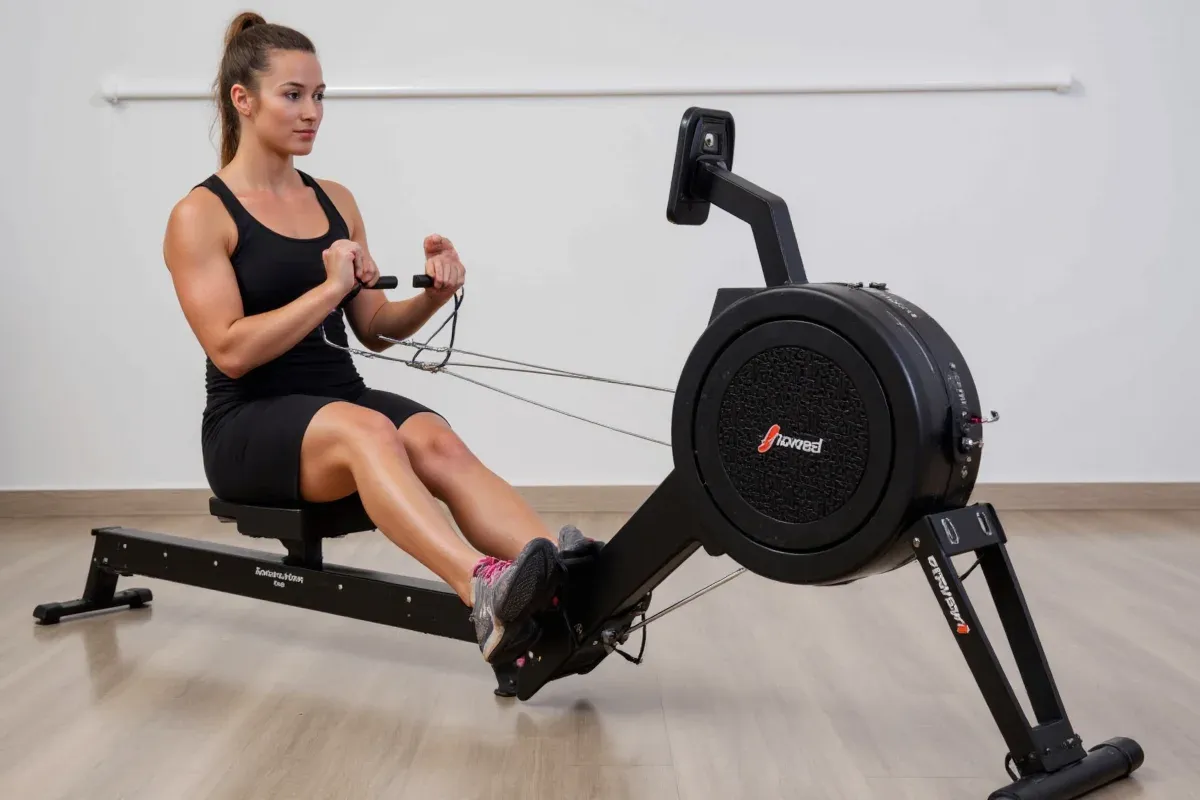
What Muscles Does a Rowing Machine Work? Full Breakdown
A rowing machine provides a full-body workout, engaging approximately 86% of your body's major muscle groups. It primarily targets the legs (quadriceps, hamstrings, and glutes), back (latissimus dorsi, rhomboids, and trapezius), core (abdominals and obliques), and arms (biceps and forearms), making it one of the most effective cardiovascular and strength-building exercises available.
How a Rowing Machine Engages Major Muscle Groups
The rowing stroke is divided into four phases: the catch, drive, finish, and recovery. Each phase activates specific muscles in a coordinated sequence, ensuring balanced development and efficient calorie burn. Unlike isolated workouts, rowing combines both aerobic and resistance training, maximizing muscle engagement across upper and lower body.
Primary Muscles Worked During Rowing
- Legs: Quadriceps, hamstrings, and gluteus maximus power the initial drive phase.
- Back: Latissimus dorsi and rhomboids engage during the pull to retract the scapula and extend the shoulder.
- Core: Rectus abdominis and obliques stabilize the torso throughout the stroke.
- Arms: Biceps and brachialis flex the elbows at the end of the pull; forearms grip the handle.
Secondary Muscles Activated
While not the primary movers, several supporting muscles contribute to form, balance, and efficiency:
- Deltoids (shoulders) – assist in arm movement and stabilization.
- Erector spinae – maintains spinal alignment during forward lean and extension.
- Forearm flexors – sustain grip strength on the handle.
- Teres major and posterior deltoid – aid in shoulder extension and adduction.
Muscle Activation Levels by Stroke Phase
To better understand how different muscles are recruited during each phase of the rowing motion, consider the following data from electromyography (EMG) studies measuring muscle activity as a percentage of maximum voluntary contraction (MVC).
| Muscle Group | Catch (%) MVC | Drive (%) MVC | Finish (%) MVC | Recovery (%) MVC |
|---|---|---|---|---|
| Quadriceps | 45 | 78 | 30 | 20 |
| Hamstrings | 38 | 65 | 25 | 18 |
| Gluteus Maximus | 50 | 82 | 40 | 15 |
| Latissimus Dorsi | 30 | 70 | 85 | 20 |
| Rhomboids | 25 | 60 | 75 | 18 |
| Rectus Abdominis | 40 | 55 | 50 | 35 |
| Biceps Brachii | 35 | 68 | 80 | 25 |
| Forearm Flexors | 50 | 55 | 60 | 45 |
The data shows peak activation in the gluteus maximus and latissimus dorsi during the drive and finish phases, confirming that powerful leg drive initiates the stroke, followed by strong back and arm engagement. Forearm flexors maintain consistent activation due to constant grip demand, highlighting the importance of hand endurance in long sessions.
Benefits of Full-Body Engagement on a Rowing Machine
Because rowing works nearly all major muscle groups, it delivers unique advantages over other cardio machines:
- Higher Calorie Burn: Simultaneous activation of large muscle groups increases energy expenditure.
- Improved Muscular Endurance: Repetitive, low-impact motion builds stamina without joint strain.
- Enhanced Coordination: Requires synchronization between limbs and core for efficient strokes.
- Reduced Injury Risk: Balanced muscle development supports joint stability and posture.
Frequently Asked Questions About Rowing Machine Muscle Engagement
Does a rowing machine work your abs?
Yes, a rowing machine actively engages your core muscles, particularly the rectus abdominis and obliques, to stabilize your torso during the stroke cycle. While it’s not a substitute for targeted ab exercises, consistent rowing contributes to core strength and definition over time.
Is rowing good for building leg muscles?
Absolutely. The drive phase of rowing relies heavily on the quadriceps, hamstrings, and glutes, generating force similar to a squat or deadlift. With proper resistance and technique, rowing can enhance leg strength and muscular endurance.
Can rowing help build back muscles?
Yes, rowing strongly activates the latissimus dorsi, rhomboids, and trapezius, especially during the finish phase. While it won’t replace heavy weight training for hypertrophy, it improves muscular endurance and posture by strengthening the upper back.
Do your arms get a workout on a rowing machine?
Your biceps and forearm muscles are significantly engaged during the pulling phase. However, arms should act as connectors—not initiators. Proper form uses legs and back first, with arms finishing the motion, preventing overuse injuries.
Why do my shoulders hurt when rowing?
Shoulder pain often results from poor form, such as rounding the back or using arms too early. Ensure you initiate the stroke with your legs, keep shoulders relaxed and down, and avoid overextending at the catch. Strengthening rotator cuff muscles can also prevent discomfort.
More Articles
 Where to Buy Go Karts Near Me: Local & Online Options
 How Much Does a Canoe Cost? (2025 Prices)
 How Far Is the English Channel Swim?
 Where Can I Swim Near Me Today? Top Local Options
 How Tall Are Hurdles in Track Events?
 When Is Ice Hockey Season? NHL & Global Leagues Schedule
 Don Hume Rower: 1936 Olympic Coxswain & Legacy
 How Big Is a Water Polo Ball? Official Sizes & Specs
 Pre-Competition Checklist: Final Tips
 Best Premium Sports Gear Guide