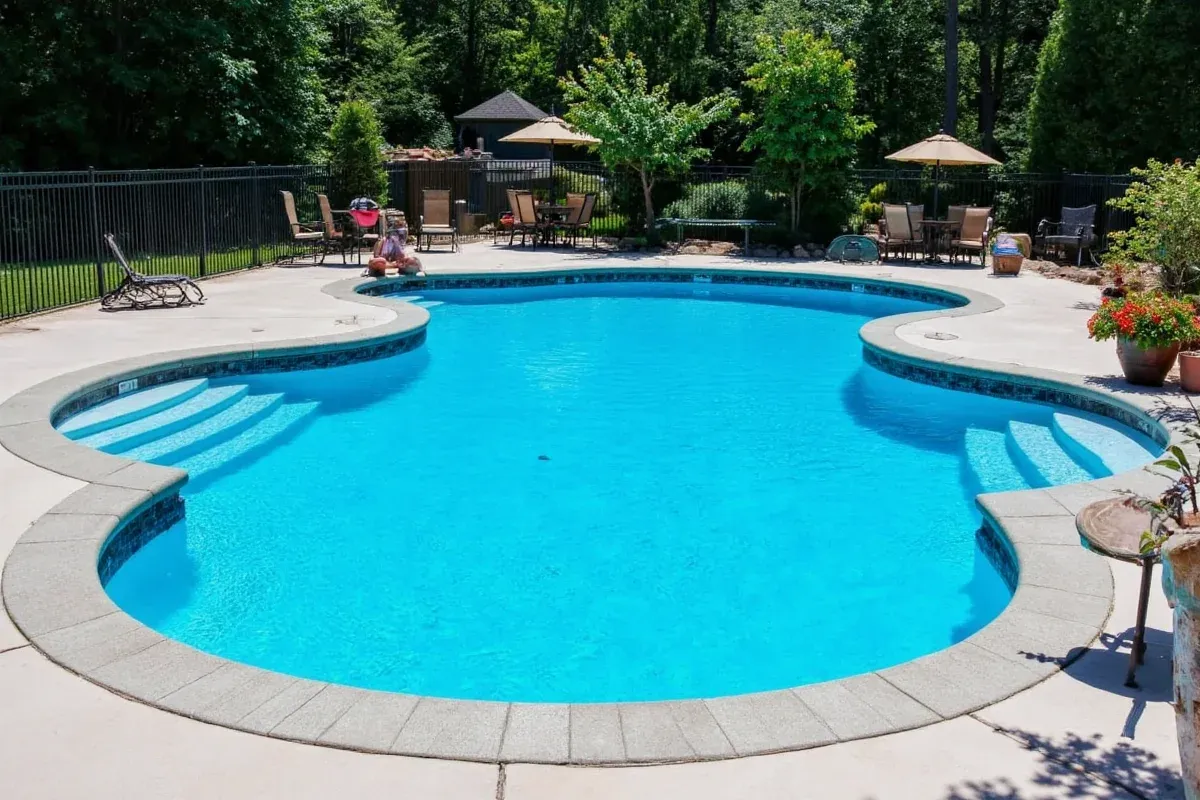
How Much Do Swimming Pools Cost in 2025?
The cost of installing a swimming pool varies widely based on type, size, materials, and location, but most homeowners in the U.S. pay between $35,000 and $70,000 for an inground pool, with above-ground pools costing $2,500 to $15,000. Additional features like heating, lighting, and landscaping can increase total expenses.
Types of Swimming Pools and Their Average Costs
Swimming pools come in several main types, each differing significantly in price, durability, and maintenance needs. Understanding these options helps homeowners make informed decisions aligned with their budget and lifestyle.
Inground Concrete Pools
Poured concrete pools are the most customizable and durable option. They allow for freeform designs and integration with outdoor living spaces. However, they are also the most expensive, with prices starting at $50,000 and reaching over $100,000 for luxury installations.
Fiberglass Pools
Fiberglass pools are pre-manufactured shells installed in excavated ground. They offer faster installation (typically 2–4 weeks), lower maintenance, and smooth surfaces. Prices range from $35,000 to $70,000 depending on size and site preparation.
vinyl Liner Pools
Vinyl liner pools use a steel or polymer frame lined with a replaceable vinyl sheet. They are more affordable than concrete—averaging $30,000 to $60,000—but require liner replacement every 5–9 years, adding to long-term costs.
Above-Ground Pools
These are the most budget-friendly option, typically costing $2,500 to $15,000. Modern models feature metal, resin, or hybrid frames and can last 10–20 years with proper care. They are ideal for temporary use or renters.
Factors That Influence Pool Installation Costs
Several variables affect the final price of a swimming pool beyond the basic structure. These include:
- Size and depth: Larger pools require more excavation, materials, and plumbing.
- Site preparation: Sloped yards, rocky soil, or limited access increase labor costs.
- Permits and inspections: Local regulations may add $500–$2,000 in fees.
- Plumbing and electrical work: Pumps, filters, heaters, and lighting contribute significantly.
- Decking and landscaping: Concrete, pavers, or wood decking can add $5,000–$20,000.
- Geographic location: Labor and material costs vary by region; coastal and urban areas tend to be higher.
Detailed Cost Breakdown by Pool Type (2025 Data)
| Pool Type | Average Installation Cost | Lifespan (Years) | Maintenance Cost/Year | Installation Time |
|---|---|---|---|---|
| Concrete Inground | $50,000 - $100,000+ | 25-40 | $1,500 - $3,000 | 8-12 weeks |
| Fiberglass | $35,000 - $70,000 | 25-30 | $800 - $1,500 | 2-4 weeks |
| Vinyl Liner | $30,000 - $60,000 | 15-25* | $1,000 - $2,000 | 6-8 weeks |
| Above-Ground | $2,500 - $15,000 | 10-20 | $300 - $800 | 1-2 weeks |
The data shows that while concrete pools have the highest upfront and annual maintenance costs, they also offer the longest lifespan and greatest design flexibility. Fiberglass pools provide a balance of durability and low maintenance, making them cost-effective over time. Vinyl liner pools are initially cheaper but incur recurring replacement costs. Above-ground pools remain the most accessible entry point, both financially and temporally.
Ongoing Maintenance and Operating Expenses
Beyond installation, pool ownership involves recurring costs that should be factored into the decision. These include:
- Chemicals: Chlorine, pH balancers, algaecides ($100–$300/year).
- Electricity: Pump and heater usage ($500–$1,500/year).
- Cleaning: Manual cleaning or professional service ($150–$300/month).
- Repairs: Equipment failures or structural issues (variable).
- Winterization: In colder climates, closing and opening the pool seasonally ($100–$300 per cycle).
Energy-efficient pumps and solar covers can reduce operating costs by up to 30%.
About Swimming Pool Costs: Frequently Asked Questions
How much does a basic inground pool cost in 2025?
A basic inground pool typically starts around $35,000 for a fiberglass model and $50,000 for a concrete pool. Smaller vinyl liner pools may begin at $30,000, but full installation with decking and equipment often pushes totals toward $45,000.
Are above-ground pools worth it compared to inground?
Above-ground pools are ideal for budget-conscious buyers, temporary setups, or those with unsuitable terrain. While they lack the aesthetic appeal and property value boost of inground pools, they offer a functional, low-commitment way to enjoy swimming.
Does a swimming pool increase home value?
In warm climates like Florida or Southern California, a well-maintained pool can increase home value by 5%–10%. However, in cooler regions, the return on investment is less predictable, and some buyers may view pools as liabilities due to safety and maintenance concerns.
What adds the most cost to a pool installation?
Custom features such as infinity edges, waterfalls, automatic covers, heating systems, and premium decking materials (e.g., travertine or composite) significantly increase costs. Site challenges like poor soil or steep slopes also drive up labor and engineering expenses.
Can I finance a swimming pool?
Yes, many homeowners use home equity loans, HELOCs, or personal loans to finance pool installations. Some contractors offer financing plans with low introductory rates. Given the high cost, spreading payments over 5–15 years makes pool ownership more accessible.
More Articles
 How Much Does Formula 1 Cost? (2025 Data)
 Where Did Ice Hockey Begin? The True Origin Revealed
 How Fast Do K1 Go-Karts Go? Top Speed Revealed
 How Long to Swim English Channel: Average & Record Times
 What Does Goal Oriented Mean? Definition & Examples
 Best Football For Today: Performance, Regulation, and Real-World Testing in 2024
 Olympic Shot Put Weight: Men's & Women's Specs
 How Long Is an Olympic-Sized Swimming Pool?
 How Much Do MotoGP Riders Make? (2025 Salaries)
 How Many Hockey Players Are on the Ice? Full Breakdown