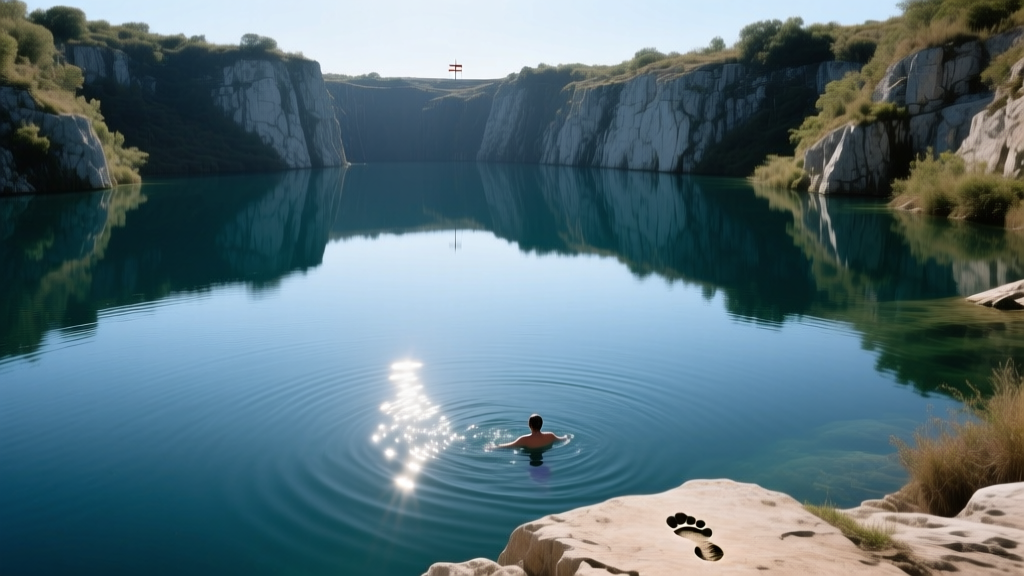
Why Swimming in a Quarry Is Dangerous
Why Is It Dangerous to Swim in a Quarry?
Swimming in a quarry is extremely dangerous due to hidden underwater hazards, unpredictable water conditions, lack of lifeguards, and sudden drops in depth. Many quarries have cold, murky water with submerged machinery, sharp rocks, and strong currents that can trap or disorient swimmers—leading to drowning. Over 60% of quarry drownings involve young males, often due to risky behaviors like cliff jumping or overestimating swimming ability.
Hidden Dangers of Abandoned Quarries
Quarries are industrial excavation sites used for mining rock, sand, or gravel. Once abandoned, they fill with groundwater and appear inviting on hot days. However, their deceptively calm surfaces hide life-threatening risks.
- Sudden depth changes: Water depth can shift from 5 feet to over 100 feet within a few steps.
- Submerged hazards: Old mining equipment, rebar, and jagged concrete remain below the surface.
- Cold thermoclines: Water temperatures drop drastically below the surface, causing shock or muscle cramps.
- Poor visibility: Sediment keeps water cloudy, making it impossible to see obstacles or swimmers in distress.
- No safety infrastructure: No lifeguards, rescue equipment, or marked swimming zones exist.
Water Conditions That Increase Risk
Temperature Shock and Hypothermia
Quarry water remains cold year-round due to deep groundwater sources. Surface water may feel warm, but just a few feet down, temperatures can plunge to 50°F (10°C). Sudden immersion causes gasping and hyperventilation, increasing drowning risk.
Chemical Contamination
Some quarries contain residual chemicals from mining operations, including lime, silica dust, or heavy metals. These can irritate skin, eyes, and respiratory systems.
Behavioral Risks and Accidents
Many quarry drownings occur during high-risk activities:
- Cliff jumping into unknown depths
- Swimming alone or at night
- Alcohol use near water
- Overestimating swimming skills
The illusion of a safe swimming hole leads to poor decision-making. Unlike public pools or beaches, there’s no supervision or emergency response.
Fatalities and Safety Statistics
| Year | Quarry Drownings (USA) | % Under Age 20 | Common Cause |
|---|---|---|---|
| 2020 | 27 | 48% | Cliff jumping / Submersion |
| 2021 | 31 | 52% | Underwater entrapment |
| 2022 | 29 | 45% | Strong currents / Cold shock |
| 2023 | 33 | 55% | Alcohol-related incidents |
| 2024 (Jan–Sept) | 26 | 50% | Unsupervised youth swimming |
Data shows a consistent annual average of 30 quarry-related drownings in the U.S., with over half involving individuals under 20. The rising trend in 2023–2024 highlights increased recreational misuse of abandoned sites.
Legal and Environmental Consequences
Trespassing in active or abandoned quarries is illegal in most states. Even if not posted, these areas are private property or hazardous zones regulated by OSHA and environmental agencies. Violators face fines or liability if rescued.
Environmentally, disturbing quarry ecosystems can release sediments and pollutants into groundwater, affecting local water quality.
Safe Alternatives to Quarry Swimming
Instead of risking your life in a quarry, choose safer options:
- Public swimming pools with lifeguards
- Designated lake swimming areas
- Beaches monitored by authorities
- Recreational parks with approved water access
Always check local regulations and water safety advisories before swimming.
FAQs About Quarry Swimming Dangers
Can you get sick from swimming in a quarry?
Yes. Quarry water may contain bacteria, algae blooms, or chemical runoff from surrounding land. Exposure can cause skin rashes, eye irritation, gastrointestinal illness, or respiratory issues, especially in stagnant or polluted water.
Why is quarry water so cold?
Quarry water comes from deep groundwater sources that remain cold year-round. Even in summer, deeper layers stay around 50–60°F (10–15°C), creating dangerous thermoclines that can trigger cold shock.
Are there sharks or dangerous animals in quarries?
No, quarries don’t have sharks. However, some may host leeches, snapping turtles, or invasive species. The real danger comes from physical hazards, not wildlife.
Is it legal to swim in an abandoned quarry?
Most abandoned quarries are on private property or designated as hazardous zones. Swimming there is typically trespassing and illegal. Fines vary by state, and emergency rescues may result in liability charges.
What should I do if someone is drowning in a quarry?
Call 911 immediately. Do not enter the water—quarry conditions make rescue attempts extremely dangerous. Use a flotation device, pole, or rope to reach the person from shore. Begin CPR if trained and needed after rescue.
More Articles
 The Best Safety Story: How a Single Decision Saved 247 Lives at DuPont’s La Porte Facility
 Can Cows Swim? Yes, Here's How and Why
 How Long Are Field Hockey Games? Full Timing Breakdown
 Swimming and Data: The Precision Sport Shift
 How Deep Is Water for Water Polo? Official Depth Explained
 What Muscles Does Freestyle Swimming Work?
 How Long Are Swimming Pools? Standard Sizes Explained
 7 Alternatives to Game UK for Gaming Hardware in 2026
 How Long to Jump Rope for Cardio: Optimal Duration
 Badminton Court Dimensions: Official Size, Net Height, and Markings Explained