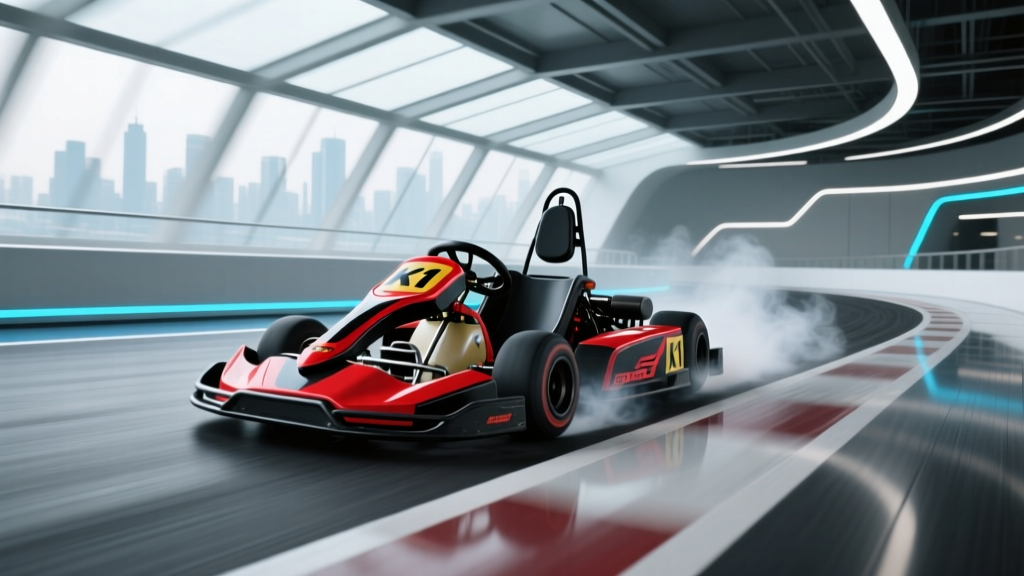
How Fast Do Karts Go at K1 Speed? (Up to 55 mph)
Karts at K1 Speed typically reach speeds between 45 and 55 miles per hour (72–88 km/h), depending on the track layout, kart model, and driver weight. These high-performance electric karts are engineered for competitive racing and deliver a professional-grade driving experience.
What Makes K1 Speed Karts So Fast?
K1 Speed is known for its premium indoor electric go-karting experience, offering some of the fastest consumer-accessible karts in the industry. Unlike traditional gas-powered rental karts that max out around 25–30 mph, K1 Speed's advanced engineering allows for significantly higher velocities in a safe, controlled environment.
Key Factors Influencing Kart Speed
- Electric Motor Power: K1 Speed uses high-torque electric motors that provide instant acceleration and consistent performance without engine warm-up delays.
- Battery Technology: Lithium-ion battery systems deliver sustained power output throughout the race session.
- Aerodynamic Design: The chassis and body are optimized for reduced drag and improved handling at high speeds.
- Track Design: Professional-grade tracks with long straights and banked turns allow karts to reach top speeds safely.
- Driver Weight & Skill: Lighter drivers may experience slightly faster acceleration, while experienced racers optimize cornering to maintain average speed.
How K1 Speed Compares to Other Go-Kart Venues
Not all go-kart tracks are created equal. K1 Speed stands out by focusing on performance, safety, and real racing dynamics. Below is a comparison of typical top speeds across different karting facilities.
| Venue Type | Average Top Speed (mph) | Average Top Speed (km/h) | Motor Type | Racing Experience Level |
|---|---|---|---|---|
| K1 Speed (Adult Karts) | 45–55 | 72–88 | Electric (Lithium-Ion) | Professional-Inspired |
| Traditional Indoor Rental Tracks | 25–30 | 40–48 | Gasoline | Casual |
| Outdoor Recreational Tracks | 35–40 | 56–64 | Gasoline | Semi-Competitive |
| Professional Training Karts | 60–70+ | 96–112+ | 2-Stroke or 4-Stroke | Elite |
| K1 Speed (Junior Karts) | 20–25 | 32–40 | Electric | Youth Training |
The data shows that K1 Speed adult karts outperform most recreational indoor and outdoor tracks, reaching speeds comparable to entry-level professional machines. Their use of electric power ensures clean, quiet, and maintenance-free operation while delivering superior torque and acceleration over gas models.
Safety Measures at High Speeds
Despite reaching up to 55 mph indoors, K1 Speed maintains an excellent safety record thanks to several integrated systems:
- Roll cages and 5-point harnesses for all drivers
- Advanced braking systems with anti-lock features on select models
- Real-time RFID monitoring to enforce safe distances between karts
- Professional staff supervision and mandatory safety briefings
- Impact-absorbing barriers and track-side padding
Maximizing Your Speed at K1 Speed
To get the most out of your K1 Speed experience, consider these expert tips:
Racing Techniques for Higher Average Speed
- Brake Late, Accelerate Early: Master threshold braking to carry more speed into corners and accelerate sooner on exit.
- Racing Line Optimization: Follow the ideal line (apex) through each turn to minimize distance and maintain momentum.
- Smooth Steering Inputs: Jerky movements increase tire wear and reduce grip; smooth control preserves traction.
- Weight Distribution: Lean forward during straights and shift weight during turns to improve balance.
- Practice Consistently: Use lap time tracking to identify areas for improvement.
Frequently Asked Questions About K1 Speed Kart Velocities
How fast do K1 Speed karts go?
K1 Speed adult karts can reach speeds between 45 and 55 miles per hour (72–88 km/h), making them among the fastest indoor electric go-karts available to the public.
Are K1 Speed karts electric or gas-powered?
All K1 Speed karts are powered by high-performance electric motors using lithium-ion batteries. This provides instant torque, zero emissions, and consistent power delivery throughout the race session.
How fast do junior karts go at K1 Speed?
Junior karts at K1 Speed are designed for younger drivers (typically ages 8–13) and have a top speed of approximately 20–25 mph (32–40 km/h), ensuring a fun yet safe introduction to high-speed racing.
Is 55 mph fast for an indoor go-kart?
Yes, 55 mph is extremely fast for an indoor go-kart. Most recreational indoor tracks limit speeds to under 30 mph. K1 Speed's combination of advanced engineering, safety systems, and professional track design makes these higher speeds possible in a secure environment.
Do all K1 Speed locations have the same kart speed?
Most K1 Speed locations use standardized kart specifications, so top speeds are generally consistent across venues. However, slight variations may occur due to track length, elevation changes, or local regulations. Always check with your specific location for exact performance details.
Conclusion: Experience Real Racing Speed Safely
K1 Speed sets the benchmark for high-performance indoor karting, with karts capable of reaching 45–55 mph. Backed by cutting-edge electric technology, professional track design, and rigorous safety protocols, it offers an exhilarating yet controlled racing experience suitable for both beginners and seasoned enthusiasts. Whether you're setting lap records or just enjoying the thrill of speed, K1 Speed delivers a taste of professional motorsport in a family-friendly environment.
More Articles
 Volleyball Knee Pads: Size and Fit Guide
 How High Does Ronaldo Jump? 78 cm Vertical Revealed
 Olympic Swimming Pool Depth: Official 2026 Specs
 How Long Is an Olympic-Sized Swimming Pool?
 How Many Laps Is 1500m Swim? Pool-by-Pool Breakdown
 Olympic Size Swimming Pool Dimensions Explained
 Fastest Jet Ski in the World: Top Speeds & Models
 How Many Swimming Events in 2024 Olympics?
 Golf For Beginners: A Practical, Step-by-Step Introduction to the Game
 FIFA World Cup Winners: Complete List from 1930 to 2026 with Statistics