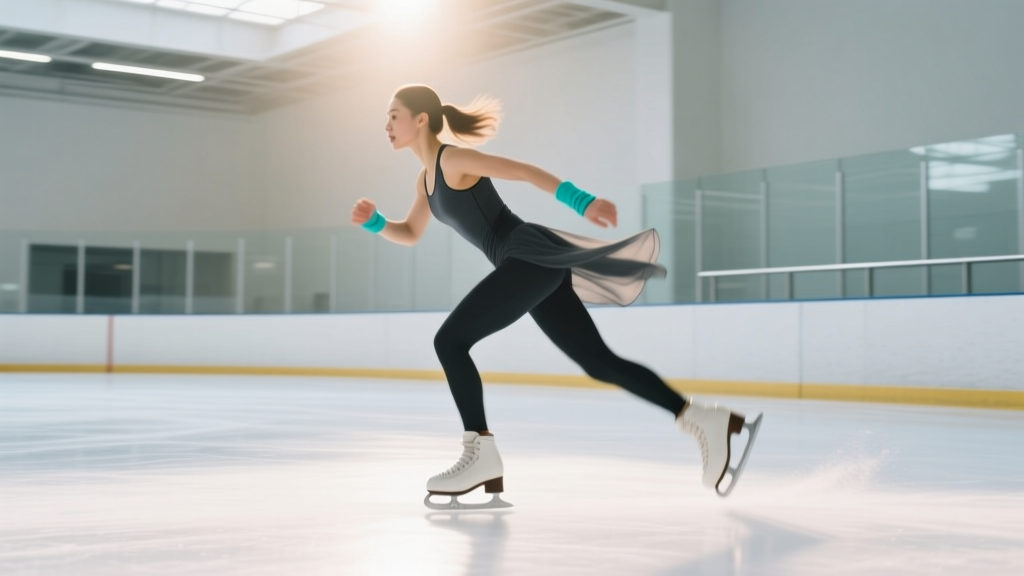
How Many Calories Does Ice Skating Burn?
Ice skating burns approximately 300 to 600 calories per hour, depending on body weight, intensity, and skill level. A 150-pound person can expect to burn around 400 calories during moderate recreational skating, while intense or competitive skating may exceed 600 calories per hour.
How Ice Skating Burns Calories
Ice skating is a full-body cardiovascular activity that engages major muscle groups including the glutes, quadriceps, hamstrings, core, and even upper body when performing turns or routines. The constant balancing and controlled movements increase energy expenditure significantly compared to walking or light exercise.
Factors That Influence Calorie Burn
- Body Weight: Heavier individuals burn more calories due to increased exertion.
- Skating Intensity: Recreational vs. competitive or hockey-style skating greatly affects calorie output.
- Skill Level: Beginners often burn more calories as they expend extra energy maintaining balance.
- Duration: Longer sessions naturally lead to higher total calorie burn.
- Type of Skating: Figure skating, speed skating, and ice hockey have different metabolic demands.
Calories Burned in Different Skating Activities
The following table provides estimated calorie expenditure based on three common body weights across various ice skating disciplines.
| Activity | 130 lbs (59 kg) | 155 lbs (70 kg) | 185 lbs (84 kg) |
|---|---|---|---|
| Recreational Ice Skating (moderate) | 236 | 282 | 337 |
| Fast or Aggressive Skating | 354 | 423 | 505 |
| Figure Skating (practice) | 314 | 375 | 447 |
| Speed Skating (competitive) | 500 | 600 | 720 |
| Ice Hockey (game play) | 520 | 620 | 740 |
Data shows that higher-intensity forms like ice hockey and speed skating can nearly double calorie burn compared to casual skating. Individuals weighing 185 pounds can burn over 700 calories per hour during competitive play. Even at moderate intensity, ice skating remains an effective calorie-burning workout suitable for all fitness levels.
Maximizing Calorie Burn While Ice Skating
To get the most out of your time on the ice, consider these strategies:
- Increase Duration: Aim for at least 45–60 minutes of continuous skating.
- Add Intervals: Alternate between fast sprints and slow recovery laps.
- Practice Skills: Learning jumps, spins, or edge work increases effort and calorie use.
- Use Proper Technique: Engaging core muscles and maintaining posture enhances efficiency and endurance.
- Combine with Off-Ice Training: Strength and flexibility exercises improve performance and post-exercise calorie burn.
Frequently Asked Questions About Ice Skating and Calorie Burn
How many calories does 30 minutes of ice skating burn?
A 155-pound person can burn approximately 140–210 calories in 30 minutes of recreational ice skating. At higher intensities, such as aggressive skating or playing hockey, the same person may burn up to 310 calories in half an hour.
Does ice skating help lose belly fat?
While no exercise targets fat loss in one specific area, ice skating contributes to overall fat reduction by burning calories and building lean muscle. Combined with a healthy diet, regular skating can help reduce body fat, including abdominal fat.
Is ice skating better than running for weight loss?
Ice skating burns slightly fewer calories than running at a 6 mph pace but offers lower joint impact, making it ideal for people with knee or hip concerns. It also improves balance and coordination, adding functional fitness benefits beyond pure calorie burn.
Do beginners burn more calories ice skating?
Yes, beginners often burn more calories than experienced skaters because they use more energy to maintain balance and control. This inefficiency increases heart rate and muscular effort, leading to higher caloric expenditure during the same duration of skating.
Can ice skating be considered a cardio workout?
Absolutely. Ice skating elevates heart rate into the aerobic zone, improving cardiovascular endurance. Sustained skating for 30 minutes or more meets American Heart Association guidelines for effective cardio exercise.
More Articles
 How Much Is a Swimming Pool Heater? Costs & Types
 What Swimming Pool Is Open Now? Find Nearby Access
 How Tall Are Hurdles in Track Events?
 Best Cricket Bats for Beginners: Complete Guide to Choosing Your First Bat
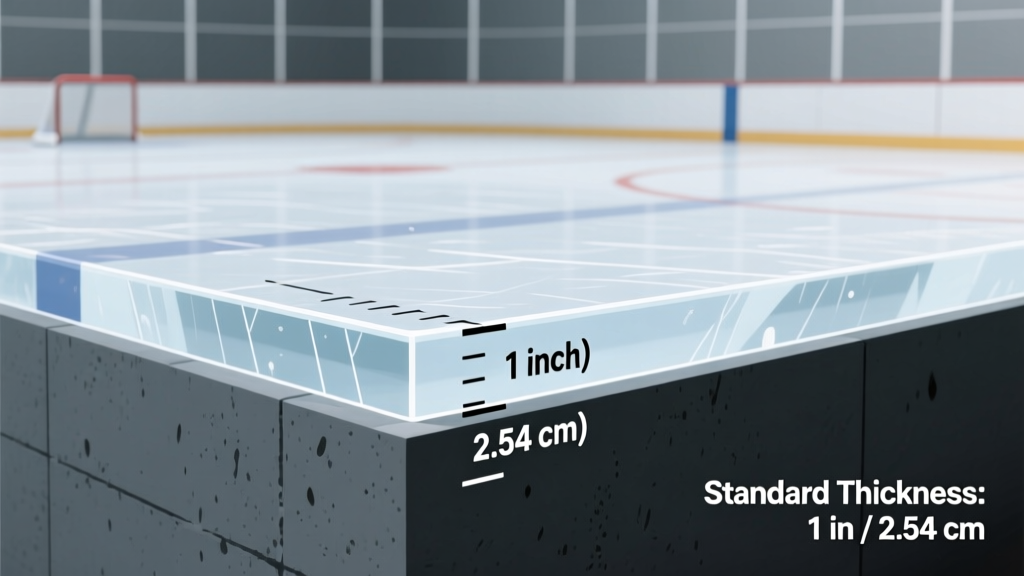 How Thick Is Hockey Rink Ice? Standard Measurements
 How Many Gallons in an Average Swimming Pool?
 Ultimate Tennis Guide: Rules, Equipment, Technique, Strategy, and Player Development
 How Many Calories Does Sprinting Burn?
 Can Flamingos Swim? Facts & Behavior Explained
 Pool Laps for a Mile: Exact Numbers by Size