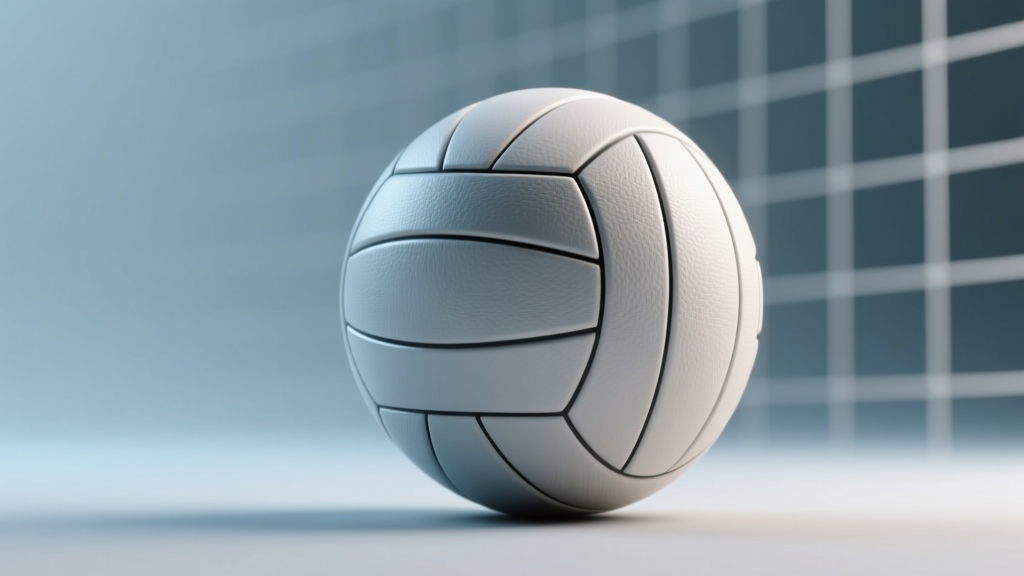
How Big Is a Water Polo Ball? Official Sizes & Specs
A standard water polo ball measures between 68 and 71 centimeters in circumference for men's competition and 65 to 67 centimeters for women's, with a weight of approximately 400 to 450 grams. These specifications ensure consistent handling, visibility, and performance during play under official FINA regulations.
Understanding Water Polo Ball Size Standards
The size of a water polo ball is strictly regulated to maintain fairness and consistency across competitions. Governing bodies such as FINA (Fédération Internationale de Natation) set precise standards based on gender and age categories. The ball must be large enough to grip easily with one hand while treading water, yet small enough to allow quick passing and shooting.
Key Factors Influencing Ball Dimensions
- Player Age and Gender: Men’s senior divisions use larger balls than women’s or youth divisions.
- League Regulations: International, collegiate, and recreational leagues may have slight variations.
- Buoyancy and Grip: Surface texture and material affect control in wet conditions.
- Visibility: Bright colors like yellow enhance visibility in pool environments.
Differences Between Men’s and Women’s Water Polo Balls
While both men's and women's water polo balls serve the same function, their sizes differ slightly to accommodate physiological differences in hand size and strength. This ensures balanced gameplay and reduces injury risk.
| Category | Circumference (cm) | Diameter (approx. cm) | Weight (g) | Pressure (psi) |
|---|---|---|---|---|
| Men’s Senior (Size 5) | 68–71 | 21.6–22.6 | 400–450 | 90–97 kPa (~13–14 psi) |
| Women’s & Junior Men (Size 4) | 65–67 | 20.7–21.3 | 400–450 | 83–90 kPa (~12–13 psi) |
| Youth (Size 3) | 58–60 | 18.5–19.1 | 350–400 | 83–90 kPa |
The data shows that senior men’s water polo balls are significantly larger in circumference than those used by women and juniors, reflecting ergonomic design tailored to average hand size. Despite size differences, both senior-level balls weigh nearly the same, ensuring comparable handling dynamics. Youth balls are smaller and lighter, supporting skill development in younger athletes.
Materials and Design Features
Modern water polo balls are typically made from waterproofed rubber or composite leather with textured surfaces for improved grip. They are designed to be buoyant—floating just above the waterline—and resistant to wear from constant throwing and catching.
Design Characteristics
- Color: Yellow is standard for high visibility; white or other colors may be used depending on pool contrast.
- Valve Type: Built-in inflation valve allows pressure adjustment.
- Surface Texture: Raised pebbling enhances grip even when wet.
- Buoyancy: Must float with at least part of the ball above water surface.
Regulatory Bodies and Compliance
Fédération Internationale de Natation (FINA), NCAA, NFHS, and other sports organizations enforce ball specifications. Only certified balls approved by these bodies can be used in official matches.
Approved Ball Manufacturers
Brands such as Mikasa, Nike, and Spalding produce FINA-approved water polo balls. Each model undergoes rigorous testing for size, weight, pressure retention, and durability before certification.
Frequently Asked Questions About Water Polo Ball Size
How big is a regulation water polo ball for men?
A regulation men’s water polo ball has a circumference of 68–71 cm (approximately 27–28 inches) and weighs between 400 and 450 grams. It is classified as Size 5 under FINA standards.
What size is a women’s water polo ball?
Women’s water polo balls measure 65–67 cm in circumference (Size 4), slightly smaller than men’s balls to suit average hand size while maintaining similar weight and performance characteristics.
Why are water polo balls yellow?
Yellow is the standard color because it provides maximum visibility against blue pool water and surrounding environments. Some training balls come in white or multi-color designs, but yellow remains dominant in competition.
Can you use a regular ball for water polo?
No, regular balls like soccer or basketballs are not suitable for water polo. They lack proper buoyancy, grip, and size compliance. Using non-regulation balls can impair gameplay and violate league rules.
Are youth water polo balls smaller?
Yes, youth water polo balls (Size 3) are smaller, with a circumference of 58–60 cm and reduced weight. This helps younger players develop proper technique without strain.
More Articles
 Sports Stats Guide: Practical Frameworks and Benchmarks
 Golf Clubs for Beginners: Complete Set Guide with Club Types and Fitting Tips
 When Was Ice Hockey Founded? Key Dates & History
 Can Sprints Build Muscle? Science-Backed Answer
 Bungee Jumping Safety: Fatality & Injury Stats (2026)
 How Many Calories Does Swimming Burn? (By Weight & Stroke)
 Olympic Swimming Pool Depth: Official 2026 Specs
 How High Can You Jump on Mars? Science Explained
 Super Bowl Halftime Show Performers: Complete List from 2010 to 2026
 Where Can I Drive My Go Kart Legally? Top Safe & Legal Spots