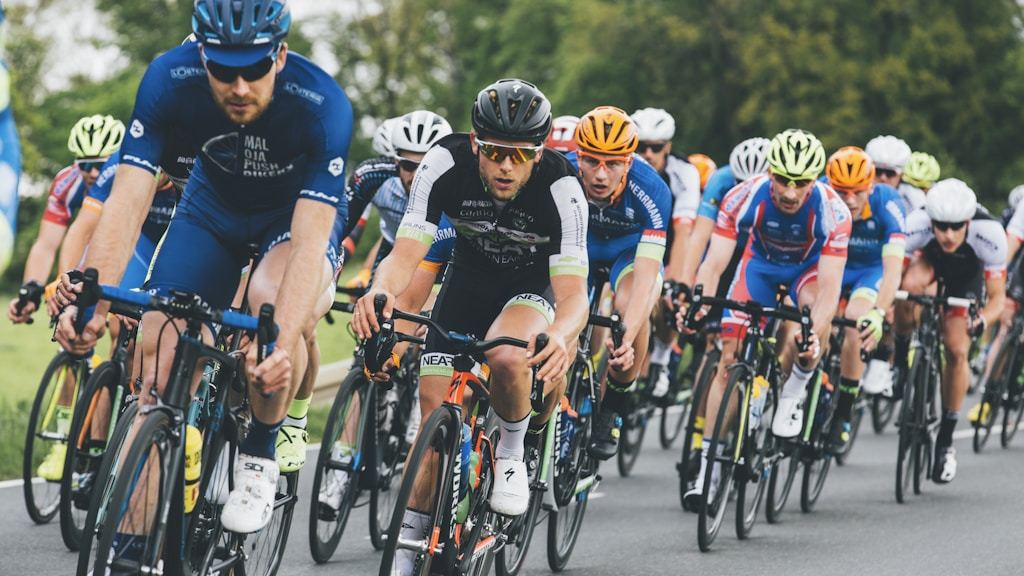
Can Sprints Build Muscle? Science-Backed Answer
Yes, sprints can build muscle, particularly in the lower body and core, by stimulating fast-twitch muscle fibers through high-intensity anaerobic effort. While not a replacement for traditional weight training, sprinting promotes hypertrophy when combined with proper nutrition and recovery.
How Sprinting Stimulates Muscle Growth
Sprinting is a powerful form of high-intensity interval training (HIIT) that activates type II (fast-twitch) muscle fibers—those most responsible for muscle size and strength gains. Unlike steady-state cardio, sprinting places significant mechanical tension and metabolic stress on muscles, two key drivers of hypertrophy.
Mechanisms Behind Muscle Development from Sprints
- Muscle Fiber Recruitment: Sprints primarily engage type IIx and IIa fibers, which have the greatest potential for growth.
- Hormonal Response: Intense sprinting increases acute spikes in growth hormone and testosterone, supporting muscle synthesis.
- Muscle Damage & Repair: Eccentric loading during ground contact causes micro-tears, prompting repair and adaptation.
- Neuromuscular Activation: Full-body coordination during sprints enhances motor unit recruitment, improving muscle efficiency and development.
Sprint Training vs. Resistance Training for Hypertrophy
While resistance training remains the gold standard for targeted muscle growth, sprinting offers a functional, time-efficient alternative that builds lean mass while improving power and cardiovascular fitness.
| Training Type | Muscle Hypertrophy (Legs) | Testosterone Increase | Time per Session | Fat Loss Effect |
|---|---|---|---|---|
| Sprinting (6x30s) | 7–12% increase over 8 weeks | ↑ 15–20% | 20 min | High |
| Weight Training (Leg Day) | 10–15% increase over 8 weeks | ↑ 18–25% | 45–60 min | Moderate to High |
| Steady-State Running | No significant gain | No change | 45 min | Moderate |
The data shows sprinting induces meaningful muscle growth—especially in the quadriceps, glutes, and hamstrings—comparable to moderate resistance training. Additionally, its hormonal and fat-burning effects enhance muscle definition, making it ideal for recomposition goals.
Optimal Sprinting Protocols for Muscle Gain
To maximize hypertrophy, structure your sprint workouts to emphasize intensity and recovery.
Recommended Weekly Sprint Routine
- Frequency: 2–3 sessions per week (non-consecutive days)
- Work:Rest Ratio: 1:4 to 1:5 (e.g., 30 seconds sprint, 2–2.5 minutes rest)
- Volume: 4–8 sprints per session
- Surface: Grass, track, or treadmill with incline for added resistance
- Progression: Gradually increase sprint duration or add resistance (e.g., sled pulls, hill sprints)
Sample 6-Week Sprint Program for Muscle Development
| Week | Sprints | Duration | Rest | Focus |
|---|---|---|---|---|
| 1–2 | 4 x 30s | 30 seconds | 2.5 min | Form & neuromuscular activation |
| 3–4 | 6 x 30s | 30 seconds | 2 min | Power output & lactate tolerance |
| 5–6 | 6 x 40s | 40 seconds | 2 min | Hypertrophy & endurance |
This progressive overload model ensures continuous adaptation, increasing both muscle size and anaerobic capacity over time.
Nutrition and Recovery for Sprint-Induced Muscle Growth
Sprinting alone won’t build muscle without adequate recovery and nutrition. The high mechanical demand requires sufficient protein intake and rest.
- Protein Intake: 1.6–2.2g/kg body weight daily to support repair.
- Post-Workout Nutrition: Consume 20–30g of high-quality protein within 1 hour post-sprint.
- Sleep: Aim for 7–9 hours nightly to optimize hormone regulation and tissue repair.
- Deload Weeks: Every 6–8 weeks, reduce volume by 50% to prevent overtraining.
Common Questions About Sprints and Muscle Building
Can sprinting build leg muscle effectively?
Yes, sprinting is highly effective for building quadriceps, hamstrings, glutes, and calves due to maximal muscle fiber recruitment and ground reaction forces. Studies show measurable hypertrophy after 6–8 weeks of consistent sprint training.
Do you need weights to build muscle, or can sprints replace them?
Sprints can contribute significantly to muscle growth, especially in the lower body, but they shouldn’t fully replace weight training if your goal is maximal hypertrophy. For balanced development, combine sprints with resistance exercises like squats and deadlifts.
How often should I sprint to gain muscle?
For optimal muscle growth, sprint 2–3 times per week with at least 48 hours of recovery between sessions. This allows for sufficient repair while maintaining training stimulus.
Are hill sprints better for building muscle than flat sprints?
Hill sprints increase resistance and stride power, leading to greater muscle activation—particularly in the glutes and hamstrings. They are more effective for hypertrophy than flat sprints due to higher force production per stride.
Can sprinting help build abs and core muscle?
Yes, sprinting engages the core dynamically to stabilize the pelvis and maintain posture at high speeds. While not a direct ab builder like crunches, it strengthens deep core musculature and reduces body fat, helping reveal abdominal definition.
More Articles
 Premium Alternatives: Mind, Body, Connection
 How Many Laps Is 1500m Swim? Pool-by-Pool Breakdown
 Dimensions vs Team: How Structural Design and Human Collaboration Shape Modern Software Delivery
 Most Watched Sporting Events in History: Global TV Viewership Records and Rankings
 Best Volleyball Shoes for Liberos: Lightweight and Responsive Picks for 2026
 What Does Row Mean in Sports? Definition & Uses
 Volleyball Rotation Rules: Complete Guide to Overlaps, Faults & Strategies (2026)
 Golf Mistakes: Why Good Players Lose Strokes
 How High Can LeBron Jump? Vertical Leap Revealed
 How Much Do F1 Drivers Earn in 2025?